Bootstrap
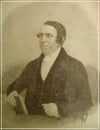
James Smith

Reader, let me ask you a very important question

Matthew 7:13-14; Matthew 7:21-23
James Smith • December, 6 2011 • Audio
0 Comments
James Smith
James Smith • December, 6 2011
Choice Puritan Devotional

The sermon by James Smith addresses the critical and often neglected doctrine of the possibility of hell and the essential requirement of being born again to enter the kingdom of God. Smith emphasizes the alarming reality that many individuals, despite their outward appearances of faith or knowledge of Scripture, live in a state of indifference regarding their eternal destiny. Using Matthew 7:13-14, he illustrates the narrow road to life versus the broad way leading to destruction, underscoring that few find the narrow path. He further reinforces his argument with Matthew 7:21-23, pointing out the futility of superficial faith and the danger of assuming divine acceptance without genuine transformation. The practical significance lies in urging believers to examine their own lives and see the necessity of true repentance and faith to avoid the dire consequences of hell.

Key Quotes

“Do you believe it is possible that you may go to hell, that many go to hell? That many go to hell cannot be doubted.”

“Unless a man is born again, he cannot enter into the kingdom of God.”

“He flatters his own pride, deceives his own soul, and secures his own damnation.”

“Not everyone who says to me, Lord, Lord, will enter the kingdom of heaven, but only he who does the will of my Father who is in heaven.”

What does the Bible say about hell?

The Bible describes hell as a dreadful place where many will end up due to unrepentance.

The Bible speaks of hell as a place of eternal separation from God, often referenced in terms of suffering and destruction. In Matthew 7:13-14, we see a clear distinction between the broad road that leads to destruction and the narrow path that leads to life. This stark contrast highlights the reality that many are on the road to hell, emphasizing the importance of self-examination and the need for true faith and repentance. Hell is not merely an abstract concept; it is a genuine and terrifying destination for those who do not heed the gospel.

Matthew 7:13-14

How do we know the narrow path is true?

The narrow path is affirmed through Scripture as the only way to salvation, requiring genuine faith and repentance.

The narrow path is truthfully described in Scripture as the way to God's kingdom, a road few find but very necessary for salvation. Matthew 7:21-23 warns that not everyone who claims to know Christ will enter heaven—only those who do the will of the Father. This underlines that mere intellectual assent is insufficient; a transformational change, often referred to as being 'born again,' is vital. The emphasis on the narrow path is rooted in God’s righteousness and holiness, which necessitates a serious and reflective response from individuals.

Matthew 7:21-23

Why is self-examination important for Christians?

Self-examination is crucial for recognizing our state before God and the need for true repentance.

Self-examination is essential for Christians to gauge the authenticity of their faith and their relationship with God. The sermon calls attention to individuals who live carelessly, oblivious to their spiritual state, like John Jones and Roger Thomas. Such apathy can lead one to tragically assume a false security regarding their eternal destiny. According to Matthew 7:21-23, many will be shocked to discover they don't genuinely know Christ despite their religious activities. Thus, Christians are encouraged to engage in regular self-assessment, asking difficult questions and genuinely seeking God’s transformative grace to avoid the pitfalls of self-deception.

Matthew 7:21-23

Sermon Transcript

Auto-generated transcript • May contain errors

100%
Reader, let me ask you a very important question. James Smith, It Is Possible, 1856.

Enter through the narrow gate, for wide is the gate and broad is the road that leads to destruction, and many enter through it, but small is the gate and narrow the road that leads to life, and only a few find it. Matthew 7, 13-14.

Reader, let me ask you a very important question. I do so in love. It is a solemn and plain question, but do not be offended at its plainness. Receive it, consider it, and reflect upon it. Do you believe it is possible that you may go to hell, that many go to hell?

That many go to hell cannot be doubted. That hell is a dreadful place cannot be questioned. That many are now on the road to hell is as clear as daylight. That few are sufficiently concerned to escape from hell is very evident. Do you believe it is possible that you may go to hell?

You, who perhaps never entertain a thought of doing so? The very supposition is alarming, is it not? But may not any sinner go to hell? And are not you a sinner? If any sinner may go to hell, and you are a sinner, why then, may not you go there? What if you should?

Yet, it is not only possible, but certain that you shall go to hell, unless you experience a very great change, for unless a man is born again, he cannot enter into the kingdom of God.

How many go on as careless, as thoughtless, as indifferent about their souls, as if they thought it was impossible for them to go to hell? There is John Jones, the weaver. He has read the New Testament. He has heard the gospel. He knows that he has an immortal soul, but he never prays. He very often spends his Saturday nights at the alehouse, and he lies late in bed on Sunday mornings. Week after week he goes on like this. He has no care for his own soul or the souls of his wife and children. He knows that he must die. He professes to believe in heaven and hell, but he acts just as though he never thought for one moment that it was possible for him to go to hell. Indeed, he troubles himself so little about God, or his soul, or eternity, that it appears that the thought has never entered into his head.

Roger Thomas, the blacksmith, knows all the news of the village. He talks much, he reads some, he swears often, he loves his pipe and his beer. He goes to church now and then on Sunday, but if you mark his conduct, listen to his conversation and notice his spirit, you will be led to conclude that he never asks himself the question, is it possible for me to be sent to hell?

No, no, he has too good an opinion of himself to even suppose such a thing. He has no idea that God would ever treat him so harshly as that. What, send him to hell? If so, what would become of most of the people in the parish? No, no, God is merciful. He intends to repent by and by. When he comes to his deathbed, then he will pray, read his Bible, and make his peace with God. Thus he flatters his own pride, deceives his own soul, and secures his own damnation.

Reader, do you believe it possible that you may go to hell?

Not everyone who says to me, Lord, Lord, will enter the kingdom of heaven, but only he who does the will of my Father who is in heaven. Many will say to me on that day, Lord, Lord, did we not prophesy in your name, and in your name drive out demons, and perform many miracles? Then I will tell them plainly, I never knew you, away from me, you evildoers. Matthew 7, 21-23
Broadcaster:

Comments

0 / 2000 characters
Comments are moderated before appearing.

Be the first to comment!

Joshua

Joshua

Shall we play a game? Ask me about articles, sermons, or theology from our library. I can also help you navigate the site.

0:00 0:00