Bootstrap
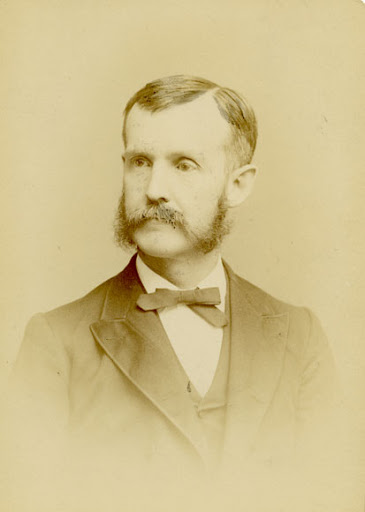
J.R. Miller

Do Nothing Rashly

Acts 19:36
J.R. Miller • August, 20 2011 • Audio
0 Comments
Choice Puritan Devotional

The sermon "Do Nothing Rashly" by J. R. Miller addresses the theological significance of patience and self-control, emphasizing the potential sins involved in speaking and acting hastily. The main argument revolves around the wisdom imparted by the town clerk in Acts 19:36, who cautions against rash actions that could lead to injustice and personal trouble. Miller supports his assertions through Scripture references, particularly Proverbs 10:19 and James 1:19, which highlight the consequences of unbridled speech and the virtues of listening and restraint. Practically, the sermon underscores the Reformed doctrine of the need for careful deliberation in actions and words to uphold integrity and honor before God and others, teaching that rashness can destroy relationships and reputations.

Key Quotes

“A runaway tongue may do even more serious harm than a runaway horse. It may speak words which will hurt lives irreparably.”

“It is better not to vow than to vow and not pay. It is better not to profess to follow Christ, than, having made the profession, to fail in keeping it, and to go back again into the world.”

“We should train ourselves to greater deliberateness in speech and act.”

“You ought to be quiet, and to do nothing rashly.”

What does the Bible say about being slow to speak?

The Bible emphasizes the importance of being slow to speak to avoid causing harm, as seen in James 1:19.

The Bible, particularly in James 1:19, advises believers to be 'quick to listen, slow to speak, and slow to become angry.' This guidance highlights the inherent danger in rushing to speak without careful consideration. Rash words can lead to injury—both to others and to oneself. The book of Proverbs echoes this sentiment, stating in Proverbs 10:19 that 'when words are many, sin is not absent,' and Proverbs 12:18 adds that 'reckless words pierce like a sword.' Thus, Scripture teaches us to practice restraint in our speech to foster healthy relationships and avoid unnecessary strife.

James 1:19, Proverbs 10:19, Proverbs 12:18

Why is it important for Christians to avoid rash decisions?

Avoiding rash decisions is important for Christians to prevent personal and relational harm, as urged in Proverbs.

For Christians, avoiding rash decisions is critical because such actions often lead to serious consequences that can affect their lives and the lives of others. Proverbs 17:27 states that a man of knowledge uses words with restraint, indicating that wisdom involves careful consideration before acting. Making hasty judgments or promises can result in broken relationships and unfulfilled vows, which is particularly detrimental in the context of Christian living, where integrity and truthfulness are paramount. In discussing the need for deliberation, Jesus even taught the importance of counting the cost before making commitments in faith. This principle ensures that believers act thoughtfully, aligning their actions with their faith and avoiding regrets later.

Proverbs 17:27, Luke 14:28-30

How do rash words affect our relationships?

Rash words can irreparably hurt others, alienate friends, and damage reputations.

Rash words have a profound negative impact on relationships, often leading to alienation and distrust. They can create an environment of emotional turmoil, causing deep wounds that may take a long time to heal. The speaker's impulsive choice to communicate without restraint can hurt tender hearts and twist the perception of good people, as noted in the sermon. Proverbs 12:18 affirms that 'the tongue of the wise brings healing,' contrasting with the destructive nature of careless speech. By failing to control our words, we not only risk injuring others but also reflect a lack of Christ-like patience and love, further straining our relationships. It is vital for Christians to remain thoughtful in their communication to embody the love of Christ effectively.

Proverbs 12:18

Sermon Transcript

Auto-generated transcript • May contain errors

100%
do nothing rashly by J. R. Miller. You ought to be quiet
and to do nothing rashly. The town clerk was wise when
he urged the people of Ephesus to do nothing rashly. He told
them they might do injustice to the men concerning whom the
disturbance had arisen. He said there was a right way
to proceed, if the men had done anything wrong, and the courts
were open. and it would be easy to have
them tried and convicted. Rashness, he assured them, might
bring upon themselves serious trouble. This was good advice
that day, and it is good for us to-day. Most of us are inclined,
at times at least, to act rashly. We are readily carried off by
excitement or by feeling, and we do things then which cost
us no end of trouble before we are through with them. There
are many rash words spoken. People get angry, and in anger
the tongue is too often like a runaway horse. The driver has
lost control, and the horse rushes along the street, perhaps trampling
down children, perhaps dashing the vehicle to pieces, and injuring
the unfortunate driver himself. A runaway tongue may do even
more serious harm than a runaway horse. It may speak words which
will hurt lives irreparably, and it may do incalculable injury
to the speaker himself. Rash words hurt tender hearts. They alienate friends. They start
suspicion concerning good people, and blast reputations. What cruel
things are rash words! When words are many, sin is not
absent. But he who holds his tongue is
wise. Proverbs 10 verse 19 Reckless
words pierce like a sword, but the tongue of the wise brings
healing. Proverbs 12 verse 18 A man of
knowledge uses words with restraint, and a man of understanding is
even-tempered. Proverbs 17 verse 27 everyone should be quick to listen,
slow to speak, and slow to become angry. James 1, verse 19. How much better it would be if
we all learned never to speak hastily. It were good to be slow
of speech in a way, for then we would not talk rashly, we
would take time to think before speaking. We were never sorry
for not saying the hot word that flew to our lips when we were
excited. It would have been bitter, unloving,
and ungentle. It could have done no good. It
would have wrought only pain and harm. It would have dishonoured
our Master, for it would have been an exhibition of unchristlikeness. Jesus never spoke a hasty word. He kept silent under insult,
pain, reproach, and sorest injury. Not sullen silence, but silence
sweet, with patient, peaceful love. We are never sorry for
following this perfect example and restraining the cutting words,
but we are sorry always when we have spoken hastily. If we
had taken a little time to think, we would not have made the sharp
retort which has done so much harm. There are other rash words
besides those spoken in hot temper. There are people who never wait
to hear all of a story before they express an opinion. Their
judgments are only half formed, for they wait for but half the
information they need to form a fair opinion. They jump to
a conclusion, when they have only a part of the facts before
them. As a consequence, But they are
often wrong, and not infrequently do serious injustice to others
whom they condemn on only one-sided evidence. We have no right to
form an opinion in which the character or interest of another
is concerned, until we have gone patiently and conscientiously
over all the facts. so as to be able to judge fairly. Hastily formed judgments of others
are most likely to be unjust judgments. There are also those
who make rash decisions and enter into rash engagements. They are
carried off by their emotions and in their excitement give
promises which afterward they find themselves unable to keep. Failures in business and losses
of money result oft-times from rash investing. Men are deceived
by illusionary prospects, and rush into schemes which prove
unprofitable. Many people make like mistakes
in choosing friends. Young men are charmed by a pretty
face or a pleasant manner. and fall in love, only to find,
by and by, what silly fools they were. A great many broken engagements,
and many unhappy marriages, would have been averted, if there had
been more deliberation at the beginning. Many people have a
reputation for not regarding their promises. Those who know
them put but little dependence upon their word, for it is broken
as frequently as it is kept. Sometimes the trouble lies in
a lack of conscience on the subject. Men seem to think that it is
not wrong to break a promise, to fail in an engagement, or
to disregard a pledge. Sometimes, however, it is because
they make promises rashly, not considering whether they can
keep them or not. A truly honorable man never breaks
his lightest word, but he never gives his word without having
first thought through the matter carefully. Even in religion,
Jesus teaches that men should count the cost before they make
their decision. Not that there can be any doubt
regarding their duty, but because great harm results from beginning
to follow Christ and then giving up and turning back. It is better
not to vow than to vow and not pay. It is better not to profess
to follow Christ, than, having made the profession, to fail
in keeping it, and to go back again into the world. Thus, in
many different departments of life, mischiefs are wrought by
rashness. People do not take time to think,
and then they do foolish and reckless things which bring them
into trouble, and do incalculable harm to others. We should train
ourselves to greater deliberateness in speech and act. We should
get such mastery over ourselves that our tongue shall never betray
us by any unadvised word, and that neither appetite nor passion
shall ever lead us to do anything we shall be sorry afterward for
doing. It is a safe rule to do nothing
in excitement. If one speaks sharply or bitterly
to us, we would better not give any rejoinder for some hours,
until there has been time for the bitterness to pass away.
If we receive a letter which contains something that hurts
us, we would better lay it aside, not answering it at once. Then,
after we have written our reply, It would be well if we laid that
away at least overnight, and read it again before sending
it. When young people begin to imagine
that they are in love, they had better place a firm hand on their
feelings, and put a bridle on their tongue, waiting a reasonable
time before they make any declaration or confession. Nothing will suffer
by delay, and perhaps there will be one less folly committed if
time is taken to think over the matter before saying anything. If some new project is proposed,
with its glowing visions of success and wealth, and young men are
tempted to embark at once in this splendid enterprise, perhaps
putting all their money into it, they had better wait. They
had better be sure that it is not a mere bubble which will
burst to-morrow. Nothing ventured, nothing won,
may be a wise enough maxim, in some lines. but often it is a
very foolish motto. At least, before the venture
is made, it should be known, of a reasonable certainty, that
the project is not a mere visionary one, nor a fraudulent scheme,
to get the money from credulous investors. We may well write
town clerk's bid of sage-council down, among our maxims, for self-government. You ought to be quiet, and to
do nothing rashly. We shall never be sorry afterward
for thinking twice before we speak, for counting the cost
before entering upon any new course. for sleeping over stings
and injuries before saying or doing anything in answer, or
for carefully considering any business scheme presented to
us before putting money into it. It will save us from much
regret, loss, and sorrow, always to remember to do nothing rashly. You ought to be quiet and to
do nothing rashly. This concludes Do Nothing Rashly
by J. R. Miller.
J.R. Miller
About J.R. Miller
James Russell Miller (20 March 1840 — 2 July 1912) was a popular Christian author, Editorial Superintendent of the Presbyterian Board of Publication, and pastor of several churches in Pennsylvania and Illinois.
Broadcaster:

Comments

0 / 2000 characters
Comments are moderated before appearing.

Be the first to comment!

Joshua

Joshua

Shall we play a game? Ask me about articles, sermons, or theology from our library. I can also help you navigate the site.

0:00 0:00