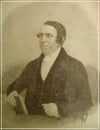
In the sermon "I am God - and not man!" by James Smith, the central theological topic addressed is the nature of God as fundamentally distinct from humanity. Smith emphasizes that God's divine attributes—including His patience, readiness to forgive, and unchanging faithfulness—set Him apart from man, particularly in dealing with sin and rebellion. He uses Hosea 11:9 and Daniel 4 to illustrate God’s forbearance and mercy, highlighting how His character allows Him to extend grace to the undeserving and maintain covenant loyalty despite human unfaithfulness. The practical significance of this doctrine encourages believers to trust in God's sovereign grace and to respond to His unchanging nature with faith, patience, and hope.
“A God can do what a man cannot, and a God can bear what a man cannot.”
“I am God, and not man, and therefore I pardon again and again not only first offences, but repeated transgressions, forgiving and forgetting them forever.”
“I am God and not man, and therefore I save freely, fully, and forever such degraded, depraved, and desperate sinners to the praise of the glory of my grace.”
“Do not measure His heart by yours, but remember that as the heavens are higher than the earth, so are His thoughts higher than your thoughts, and His ways than your ways.”
The Bible reveals God as transcendent and unlike man, highlighting His infinite patience and grace.
Hosea 11:9, Isaiah 55:8-9
God's patience and forgiveness are displayed through His actions and declarations in Scripture, which stress His grace toward sinners.
Hosea 11:9, Luke 15:20
God’s sovereignty reassures Christians that He governs all aspects of life and remains faithful amid our unfaithfulness.
Hosea 11:9, Romans 8:28
God's divine nature signifies that He is infinitely greater in love, patience, and purpose than humanity.
Hosea 11:9, Psalm 103:10-12
Auto-generated transcript • May contain errors

Comments
Your comment has been submitted and is awaiting moderation. Once approved, it will appear on this page.
Be the first to comment!