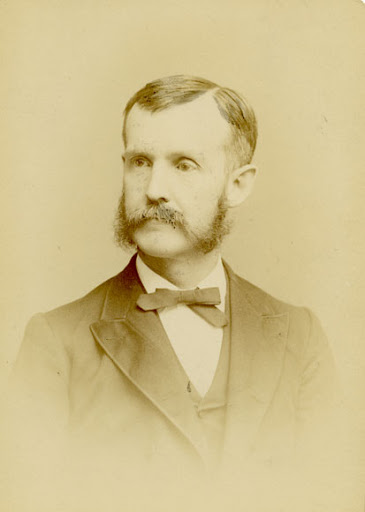
J. R. Miller’s sermon titled "He Who Holds the Pruning-Knife" addresses the theological concept of divine discipline as a means of spiritual growth, emphasizing that affliction and trials are indicative not of God's neglect but of His loving care. He argues that God, portrayed as the gardener in John 15:1-2, prunes fruitful branches to enhance their productivity, which reassures believers that their sufferings serve a higher purpose. Scripture references from Hebrews 12 support the idea that chastening is evidence of God's love, countering the misconception that suffering implies disfavor. The practical significance of this doctrine lies in fostering a perspective that embraces trials as a means of producing greater spiritual fruit, allowing believers to find peace even amidst pain.
“A strong, abiding confidence that all the trials, sorrows, and losses of our lives are parts of our Father's prunings ought to silence every question, quiet every fear, and give peace and restful assurance to our hearts in all their pain.”
“It is the fruitful branches which the Father prunes...Afflictions are not...a mark of God's anger or disapproval. Rather, they are a mark of His favor.”
“All whom the Father loves, He chastens. It is the fruitless branch that is never pruned.”
“We should never lose sight of the divine purpose in all trials to make our lives more fruitful.”
The Bible teaches that God prunes His children to make them more fruitful, signifying His love and care.
John 15:1-2, Hebrews 12
God disciplines us because He loves us, as indicated in Hebrews 12:6, which states that the Lord chastens those He loves.
Hebrews 12:6
Suffering serves to refine Christians, making them more fruitful in their faith and deepening their relationship with God.
John 15:1-2, Hebrews 12
We find peace in our trials by trusting that they are God's deliberate pruning for our growth.
John 15:1-2, Hebrews 12
Auto-generated transcript • May contain errors

Comments
Your comment has been submitted and is awaiting moderation. Once approved, it will appear on this page.
Be the first to comment!