Bootstrap
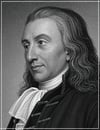
Thomas Boston

The Crook in the Lot, part 1

Hebrews 12; James 1
Thomas Boston January, 4 2007 Audio
0 Comments
A wonderful series on the Christian's afflictions and trials. Very comforting and uplifting! Be sure to listen to the other three parts of this series.

The main theological topic addressed in Thomas Boston's sermon "The Crook in the Lot, Part 1" is the sovereignty and wisdom of God in the afflictions that believers experience. Boston argues that every affliction — described as "the crook" in an individual’s life — is a product of God’s will, emphasizing that these difficulties are not random but purposeful, aiming for the spiritual growth of the believer. He references Ecclesiastes 7:13 and Hebrews 12, discussing how far from being mere suffering, these afflictions serve to refine faith and expose latent sinfulness while ultimately conforming individuals more closely to God's image. Practically, the sermon counsels believers to view their pain through the lens of faith, recognizing that trials are intended for testing and correction, thus encouraging submission to God’s will and leading to a more profound trust in His sovereign plans.

Key Quotes

“A just view of afflicting incidents is altogether necessary to a Christian deportment under them, and that view is to be obtained only by faith, not by sense.”

“Whatever crook there is in one's lot, it is of God's making. Here is a proper means at once to silence and to satisfy men and so to bring them into a dutiful submission.”

“This consideration... is a proper means at once to silence and to satisfy men and so to bring them into a dutiful submission to their maker and governor under the crook in their lot.”

“The crook in the lot will readily be founded to lie cross to some wrong bias of the heart which peculiarly sways with the party.”

Sermon Transcript

Auto-generated transcript • May contain errors

100%
Crook! Imlot! A Puritan's Understanding of that Thorn in Your Side by Thomas Boston, 1676-1732 Chapter 1 The Sovereignty and Wisdom of God in Man's Affliction Consider the work of God, for who can make that strait which he hath made crooked?
Ecclesiastes 7.13

A just view of a flifting incidence is altogether necessary to a Christian deportment under them, and that view is to be obtained only by faith, not by sense. For it is the light of the Word alone that represents them justly, discovering in them the work of God, and, consequently, designs becoming the divine perfections.

When these are perceived by the eye of faith and duly considered, we have a just view of afflicting incidents fitted to quell the turbulent motions of corrupt affections under dismal outward appearances. It is under this view that Solomon, in the preceding part of this chapter, advances several paradoxes which are surprising determinations in favor of certain things, that, to the eye of sense, looking gloomy and hideous, are therefore generally reputed grievous and shocking.

He pronounces the day of one's death to be better than the day of his birth, namely the day of the death of one who, having become the friend of God through faith, he has led a life to the honor of God and service of his generation, and thereby raised himself to good and savory name, better than precious ointment, verse 1. In like manner, He pronounces the house of mourning to be preferable to the house of feasting, sorrow to laughter, and the wise man's rebuke to a fool's song. For that, howbeit the latter are indeed the more pleasant, yet the former are the more profitable. Verses 2 through 6.

And observing with concern how men are in hazard, Not only from the wolf's frowns and ill usage, Oppression making a wise man mad, But also from its smiles and caresses, A gift destroying the heart, Therefore since, whatever way it goes, there is danger, he pronounces the end of every worldly thing better than the beginning thereof. Verses 7 and 8.

And from the whole he justly infers that it is better to be humble and patient than proud and impatient. under afflicting dispensations. Since in the former case we wisely submit to what is really best, in the latter we fight against it. Verse 8. And he dissuades from being angry with our lot because of the adversity found therein. Verse 9.

Cautions against making odious comparisons of former and present times, in that point insinuating undue reflections on the providence of God. Verse 10. And against that querulous and fretful disposition, he first prescribes a general remedy, namely, holy wisdom, as that which enables us to make the best of everything, and even gives life in killing circumstances. Verses 11 and 12. and then a particular remedy, consisting in a due application of that wisdom towards taking a just view of the case.

Consider the work of God, for who can make that straight, which he hath made crooked? in which words are proposed

1. the remedy itself 2. the suitableness thereof 1. the remedy itself is a wise eyeing consideration of the hand of God in all we find to bear hard upon us consider the work or see thou the doing of God, namely in the crooked, rough, and disagreeable parts of thy lot, the crosses thou find in it.

You see very well the cross itself, yea, you turn it over and over in the mind, and leisurely view it on all sides. You look with awe to this and the other, second cause of it and so you are in a foam and fret but if you would be quiet and satisfied in the matter lift up your eyes towards heaven see the doing of God in it the operation of his hand look at that and consider it well I consider the first cause of the crook in your lot behold how it is the work of God, His doing.

2. This view of the crook in our lot is very suitable to still indecent risings of heart, and quiet us under it. For who can, that is, none can, make that straight which God hath made crooked? As to the crook in my lot, God hath made it, and it must continue while He will have it so. Should you ply your utmost force to even it or make it straight, your attempt will be vain. It will not alter for all thou canst do. Only he who made it can mend it or make it straight.

This consideration, this view of the matter is a proper means at once to silence and to satisfy men and so to bring them into a dutiful submission to their maker and governor under the crook in their lot.

Now we take up the purpose of the text in these three propositions.

One, whatsoever crook there is in one's lot, it is of God's making. What God sees meet tomorrow, no one shall be able to mend in his lot.
3. The considering of the crook in the lot as the work of God or of his making is a proper means to bring us to a Christian deportment under it.

1. Whatsoever crook there is in one's lot, it is of God's making. Here, two things are to be considered, namely the crook itself and God's making of it.

One, as to the crook itself, the crook in the lot, for the better understanding thereof, these few things that follow are premise. There is a certain train or course of events by the providence of God falling to every one of us during our life in this world and that is our lot as being allotted to us by the sovereign God our creator and governor in whose hand our breath is and whose are all our ways. This train of events is widely different to different persons according to the will and pleasure of the sovereign manager who orders men's conditions in the world in a great variety, some moving in a higher, some in a lower sphere.

2. In the train or course of events, some fall out across to us and against the grain, and these make the crook in our lot. While we are here there will be cross events as well as agreeable ones in our lot and condition. Sometimes things are softly and agreeably gliding on but by and by there is some incident which alters that course, grates us and pains us as when we have made a wrong step we begin to halt.

Everybody's lot in this world has some crook in it. Complainers are apt to make odious comparisons. They look about, and taking a distant view of the condition of others, can discern nothing in it but what is straight and just to one's wish. So they pronounce their neighbor's lot wholly straight. But that is a false verdict. There is no perfection here, no lot, out of heaven, without a crook. For, as to all the works that are done under the sun, and behold, all is vanity and vexation of spirit, that which is crooked cannot be made straight. Ecclesiastes 1, 14 and 15.

Who would not have thought that Haman's lot was very straight, while his family was in a flourishing condition? And he, prospering in riches and honor, Being prime minister of state in the Persian court, And standing high in the king's favor, Yet there was at the same time a crook in his lot, which so galled him that all this availed him nothing. Esther 5.13

Everyone feels for himself where he is pinched, though others perceive it not. Nobody's lot in this world is wholly crooked. There are always some straight and even parts in it. Indeed, when men's passions, having gone up, have cast a mist over their minds, They are ready to say all is wrong with them, nothing right. But though in hell that tale is true, and ever will be so, yet it is never true in this world. For there, indeed, there is not a drop of comfort allowed. Luke 16, 24 and 25. But here it always holds good that it is of the Lord's mercies. that we are not consumed.

Lamentations 3. 22. 4. The crook and the lot came into the world by sin. It is owing to the fall. Romans 5. 12. By one man sin entered into the world, and death by sin. Under which death the crook in the lot is comprehended as a state of comfort or prosperity is, in scripture style, expressed by living. 1 Samuel 25 6 John 4 50 51 Sin so bowed the hearts and minds of men that they became crooked in respect of the holy law, and God justly so bowed their lot. that it became crooked too. And this crook in our lot inseparably follows our sinful condition, till, dropping this body of sin and death, we get within heaven's gates.

This being promised, a crook in the lot, speaks in general two things. One, adversity. Two, continuance. Accordingly, it makes a day of adversity opposed to the day of prosperity. in the verse immediately following the text. The cook in the lot is first someone or other piece of adversity. The prosperous part of one's lot which goes forward according to one's wish, is the straight and even part of it. The adverse part, going a contrary way, is the crooked part thereof. God hath intermixed these two in men's condition in this world, that, as there is some prosperity therein making the straight line, so there is also some adversity making the crooked, which mixture hath a place not only in the loss of saints who are told that in the world they shall have tribulation, but even in the loss of all as already observed.

Secondly, it is adversity of some continuance. We do not reckon it a crooked thing which, though forcibly bended and bowed together, Yet presently recovers its former straightness. There are twinges of the rod of adversity, Which, passing like a stitch in one's side, All is immediately set to rights again. One's lot may be suddenly overclouded, And the cloud vanish ere he is aware. But under the crock, one having leisure to find his smart, Is in some concern to get the crock Made even, so the crook in the lot is adversity, Continued for a shorter or longer time.

Now there is a threefold crook in the lot, Incident to the children of men.

1. One made by a cross dispensation, Which, howsoever in its self-passing, Yet hath lasting effect.

such a crooked head's cruelty make in the lot of the mothers in Bethlehem, who by the murderers were left weeping for their slain children, and would not be comforted, because they were not. Matthew 2, 18.

A slip of the fifth may soon be made, which will make a man go halting long after, as the fishes that are taken in an evil net And as the birds that are caught in the snare, So are the sons of men snared in an evil time, Ecclesiastes 9.12.

The thing may fall out in a moment, Under which the party shall go halting to the grave.

There is a quirk made by a train of cross dispensations, whether of the same or different kinds, following hard one upon another, and leaving lasting effects behind them.

Thus in the case of Job, while one messenger of evil tidings was yet speaking, another came, Job 1, 16-18.

cross events coming one upon the neck of another, deep calling unto deep, make a sore crock.

In that case, the party is like unto one who, recovering his sliding foot from one shaky piece of ground, sets it on another equally shaky, which immediately gives way under him, too.

Or like unto one who, traveling in an unknown mountainous track, after having with difficulty made his way over one mountain, is expecting to see the plain country. But instead, thereof, there comes in view time after time a new mountain to be passed.

This crook in Asaph's lot had liked to have made him give up all his religion until he went into the sanctuary where this mystery of Providence was unfolded to him. Psalm 73, 13-17. Solomon observes that there be just men unto whom it happeneth according to the work of the wicked. Ecclesiastes 8.14 Providence taking a run against them as if they were to be run down for good and all, whoever they be whose life in no part thereof affords them experience of this. Sure Joseph missed not of it in his young days, Nor Jacob in his middle days, Nor Peter in his old days, Nor our Saviour all his days.

3. There is a crook made by one cross dispensation, With lasting effects thereof, Coming in the room of another removed. Thus one crook straightened, There is another made in its place, And so there is still a crook. want, lack of children had long been the crook in Rachel's lot, Genesis 31. that was at length made even to her mind. But then she got another in its stead, hard labor and travailing to bring forth. Chapter 35, verse 16. This world is wilderness, in which we may indeed get our station changed, but the result will be out of one wilderness station and into another. When one part of the lot is made even, Soon some other part thereof will be crooked.

More particularly, the crook in the lot hath in it four things of the nature of that which is crooked, disagreeableness. A crooked thing is wavered, and being laid to a rule answers it not, but declines from it. There is not in anybody's lot any such thing as a crook in respect of the will and purposes of God. Take the most harsh and dismal dispensation in one's lot, and lay it to the eternal decree, made in the depth of infinite wisdom, before the world began, and it will answer it exactly, without the least deviation, all things being wrought after the counsel of His will. Ephesians 1, 11. Lay it to the providential will of God, in the government of the world, and there is a perfect harmony. If Paul is to be bound at Jerusalem and delivered unto the hands of the Gentiles, it is the will of the Lord it should be so. Acts 21, 11 and 14. Wherefore the greatest crook of the lot on earth is straight in heaven.

There is no disagreeableness in it there, but in every person's lot There is a crook in respect of their mind and natural inclination. The adverse dispensation lies cross to that rule and will by no means answer it nor harmonize with it. When divine providence lays one to the other there is a manifest disagreeableness. The man's will goes one way and the dispensation another way. The world bends upwards. and cross-events press down so they are contrary, and there and only there lies the crook. It is this disagreeableness which makes the crook in our lot fit matter of trial and exercise to it in this our state of probation, in which If thou wilt to prove thyself to God walking by faith, not by sight, thou must quiet thyself in the will and purpose of God, and not insist that it should be according to thy mind. Job 34. 33.

Unsightliness. Crooked things are unpleasant to the eye, and no crook in the lot seems to be joyous, but grievous. making an unsightly appearance. Hebrews 12, 11. Therefore men need to beware of giving way to their thoughts, to dwell on the crook in their lot, and of keeping it too much in view. David shows a hurtful experience of his in that kind. Psalm 39, 3. While I was musing, the fire burned. Jacob acted a wiser part. called his youngest son Benjamin, the son of his right hand, whom the dying mother had named Benoni, the son of my sorrow, by this means providing that the crook in his lot should not be set afresh in his view on every occasion of mentioning the name of his son. Indeed, a Christian may safely take a steady and leisurely view of the crook in his lot, in the light of the Holy Word, which represents it as the discipline of the covenant. So faith will discover a hidden beauty in it, under a very unsightly outward appearance, perceiving the suitableness thereof to the infinite goodness, love, and wisdom of God, and to the real and most valuable interests of the party. by which means one comes to take pleasure, and that a most refined pleasure, in distresses. 2 Corinthians 12. 10.

But whatever the crook and the lot be to the eye of faith, it is not at all pleasant to the eye of sense, unsitness for motion. Solomon observes the cause of the uneasy and ungraceful walking of the lame. Proverbs 26, 7. The legs of the lame are not equal. This uneasiness they find who are exercised about the crook in their lot. A high spirit and a low adverse lot makes great difficulty in the Christian walk. There is nothing that gives temptation greater access than the crook in the lot, nothing more apt to occasion out-of-the-way staffs. Therefore, says the apostle, Hebrews 12, 13, make straight paths for your feet, lest that which is lame be turned out of the way. They who are laboring under it are to be pitied then, and not to be rigidly censured, though they are rare persons who learn this lesson till taught by their own experience. It is long since Job made an observation in this case, which holds good unto this day, Job 12, 5. He that is ready to slip with his feet, is as a lamp despised in the thought of him that is at ease.

Aptness to catch hold and entangle like hooks, fishhooks, Amos 4.2. The crook in the lot doth so very readily make impression to the ruffling and fretting one's spirit, irritating corruption. that Satan fails not to make diligent use of it for these dangerous purposes, which point, once gained by the tempter, the tempted, ere he is aware, finds himself entangled as in a thicket, out of which he knows not how to extricate himself. In that temptation, it often proves like a crooked stick troubling a standing pool, which not only raises up the mud all over, but brings up from the bottom some very ugly thing. Thus it brought up a spice of blasphemy and atheism in Asaph's case, Psalm 73, 13. Verily, I have cleansed my heart in vain and washed my hands in innocency. As if he had said, there is nothing at all in religion. It is a vain and empty thing that profits nothing. I was a fool to have been in care about purity and holiness, whether of heart or life. Ah, is this the pious Asaph? How has he turned so quite unlike himself?

But the crook in the lot is a handle whereby the tempter makes surprising discoveries of latent corruption, even in the best. This is the nature of the crook in the lot. Let us now observe what part of the lot it falls in. Three conclusions may be established upon this head. It may fall in any part of the lot. There is no exempted one in the case. For sin being found in every part, the crook may take a place in any part. Being all as an unclean thing, we may all fade as a leaf. Isaiah 64 says, The mainstream of sin, which the crook readily follows, runs in very different channels, in the case of different persons, and in regard of the various dispositions of the minds of men, that will prove a sinking weight unto one which another would go very lightly under.

It may at once fall into many parts of the lot, The Lord calling, as in a solemn day, One's terrors round about. Lamentations 2.22 Sometimes God makes one notable crook in a man's lot, But its name may be Gad, being but the forerunner of a troop which cometh. Then the crooks are multiplied, so that the party is made to halt on each side, while one stream let in from one quarter is running full against him, another is let in on him from another quarter, till in the end the waters break in on every hand.

It often falls in the tender part, I mean that part of the lot wherein one is least able to bear it, or at least think He is so. Psalm 55, 12 and 13. It was not an enemy that reproached me. Then I could have borne it. But it was thou, a man, mine equal, my guide, and mine acquaintance. If there is any one part of the lot which of all others one is disposed to nestle in, the thorn will readily be laid there, especially if he belongs to God. In that thing wherein he is least of all able to be touched, he will be sure to be pressed, where the trial will be taken of him, for there is the grand competition with Christ I take from them the desires of their eyes, and that whereupon they set their minds. Ezekiel 24 25

Since the crook in the lot is the special trial appointed for every one, it is altogether reasonable in becoming the wisdom of God that it fall on that which of all things doth most rival him.

Afflictions Common to Mankind

But more particularly, the crook may be observed to fall in these four parts of the lot. In the natural part, affecting persons considered as of the make allotted for them by the great God that formed all things, the parents of mankind, Adam and Eve, were formed altogether sound and entire, without the least of blemish, whether in soul or body. But in the formation of their posterity, there often appears a notable variation from the original. Bodily defects, superfluities, deformities, infirmities, natural or accidental, make the crook in the lot of some. They have something unsightly or grievous about them. Crooks of this kind, more or less observable, are very common and ordinary. The best are not exempted from them, and it is purely owing to sovereign pleasure. They are not more numerous. Tender eyes made the crook in the lot of Leah, Genesis 29, 17. Rachel's beauty was balanced with barrenness. the crook in her lot. Genesis 30 verse 1. Paul, the great apostle of the Gentiles, was, it should seem, no personable man, but of a mean outward appearance, for which fools were apt to condemn him. 2 Corinthians 10 10. Timothy was of a weak and sickly frame, 1 Timothy 5.23, and there is yet far more considerable crook in the lot of the lame, the blind, the deaf, and the dumb.

Some are weak to a degree in their intellects, and it is the crook in the lot of several bright souls to be overcast with clouds, notably clouded and darkened from the crazy bodies in which they are lodged. An imminent instance were of we had in the grave, Wise and patient Job, going morning without the sun, Yea, standing up and crying in the congregation. Job 30, 28.

Reputation, it may fall in the honorary part. There is an honor due to all men, the small as well as the great, first Peter 2.17, and that upon the ground of the original constitution of human nature, as it was framed in the image of God. But in the sovereign disposal of holy providence, the crook in the lot of some falls here. They are neglected and slighted. Their credit is still kept low. They go through the world under a cloud, being put into an ill name. Their reputation sunk.

Sometimes this is the natural consequence of their own foolish and sinful conduct. As in the case of Dinah, who by her gadding abroad, idle, wandering, to satisfy her youthful curiosity, regardless of, and therefore not waiting for, A providential call brought a lasting stain on her honor. Genesis 34. But where the Lord intends a crook of this kind in one's lot, innocence will not be able to ward it off in an ill-natured world, neither will true merit be able to make head against it. To make one's lot stand straight in that part.

Thus David represents his case. Psalm 31, 11-13. They that did see me without fled from me. I am forgotten as a dead man out of mind. I am like a broken vessel, for I have heard the slander of many.

Thirdly, it may fall in the vocational part. Whatever is a man's calling or station in the world, be it sacred or civil, the crook in their lot may take its place therein. Isaiah was an imminent prophet, but most unsuccessful, Isaiah 53-1. Jeremiah met with such a train of discouragement, and ill usage in the exercise of his sacred function, that he was very near giving it up, saying, I will not make mention of him nor speak any more in his name. Jeremiah 29.

The psalmist observes this crook often to be made in the lot of some men, very industrious in their civil business, who sow in the fields, and at times God blesses them and suffereth not their cattle to decrease. But again, they are minished and brought low through oppression, affliction, and sorrow. Psalm 107, 37.

Such a crook was made in Job's lot after he had long stood even. Some managed their employments with all care and diligence, the husband man carefully working his ground, the sheep master diligent to know the state of his flocks, and looking well to his herds, the tradesman early and late at his business, the merchant diligently plying his watching and falling in with the most fair and promising opportunities.

But there is such a crook in that part of their lot, as all they are able to do can by no means make even. For why? The most proper means used for compassing an end are insignificant without a word of divine appointment commanding their success. Who is he that saith, and it cometh to pass, When the Lord commandeth it not. Lamentations 3. 37. People ply their business with skill and industry, but the wind turns in their face. Providence crosses their enterprises, disconcerts their measures, frustrates their hopes and expectations, renders their endeavors unsuccessful, and so puts and keeps them still in straightened circumstances, so the race is not to the swift, nor the battle to the strong, neither yet the bread to the wise. Ecclesiastes 9.11.

Providence interposing crooks the measures which human prudence and industry had laid straight towards the respective ends, so the swift lose the race, and the strong the battle, and the wise miss of bread, while in the meantime some one or other providential incident supplying the defect of human wisdom, conduct, and ability, the slow gain of the race, and carry the prize. The weak win the battle and enrich themselves with the spoil, and bread falls into the lap of the fool.

Relationships. It may fall in the relational part. Relations are the joints of society, and there the crook and the lot may take place. One's smartest pain being often felt in these joints They are in their nature the springs of man's comfort, yet they often turn the greatest bitterness to him.

Sometimes this crook is occasioned by the loss of relations. Thus a crook was made in the lot of Jacob by the means of the death of Rachel, his beloved wife, and the loss of Joseph, his son and darling, which had like to have made him go halting. to the grave. Job laments this crook in his lot. Thou hast made desolate all my company, Job 16.7, meaning his dear children, every one of whom he had laid in the grave, not so much as one son or daughter left him.

Again, sometimes it is made through the afflicting hand of God, lying heavy on them, which in virtue of their relation recoils on the party, as is feelingly expressed by that believing woman, Matthew 15, 22. Have mercy on me, O Lord. My daughter is grievously vexed. Ephraim felt the smart of family afflictions when he called his son's name Beriah, because it went evil with his house, 1 Chronicles 7, 23.

Since all is not only vanity, but vexation of spirit, it can hardly miss, but the more these springs of comfort are opened to a man, he must at one time or other find he has but the more sources of sorrows to gush out and spring in upon him. The sorrow always proportioned to the comfort found in them or expected from them.

And finally, the crook is sometimes made here by their proving uncomfortable through the disagreeableness of their temper and disposition. There was a crook in Job's lot, by means of an undutiful, ill-natured wife, Job 19.17. In Abigail's, by means of a surly, ill-tempered husband, 1 Samuel 25.25. In Eli's, through the perverseness and obstinacy of his children, 2.25. In Jonathan's, through the furious temper of his father, So do men often times find their greatest cross where they expected their greatest comfort.

Sin hath unhinged the whole creation and made every relation susceptible of the crook. In the family I found the masters hard and unjust. servants froward and unfaithful, in a neighborhood men selfish and uneasy, in the church unedifying ministers, offenses in their walk, and people contemptuous and disorderly, a burden to the spirits of ministers, in the state oppressive magistrates, opposers of that which is good, and subjects turbulent and seditious,

All these cause crooks in the lot of their relatives, and thus far of the type of crook itself.

God's sovereignty in all affliction.

2. Having seen the crook itself, we are in the next place to consider of God's making it. And here it is to be shown.

a. It is of God's making.
b. How it is of His making.
c. Why He makes it.

A. That the crook in the lot, whatsoever it is, is of God's making, appears from these three considerations. It cannot be questioned, but the crook in the lot, considered as a crook, is a penal evil, whatever it is for the matter thereof. That is, whether the thing in itself, its immediate cause and occasion, be sinful or not, it is certainly a punishment or affliction. Now as it may be as such, holy and justly brought on us by our sovereign Lord and Judge, so he expressly claims the doing or making of it. Amos 3 says, Shall there be evil in a city, and the Lord hath not done it? Wherefore, since there can be no penal evil but of God's making, and the crook in the lot is such an evil, it is necessarily concluded to be of God's making.

It is evident from the Scripture doctrine of divine providence that God brings about every man's lot and all the parts thereof. He sets up the helm of human affairs and determines them about whithersoever he listeth. Whatsoever the Lord pleased, that did he in heaven and in earth, in the seas, and all deep places. Psalm 135, 6. There is not anything whatsoever befalls us without his overruling hand. The same providence that brought us out of the womb brings us to and fixes us in the condition and place allotted for us by Him who hath determined the times and the bounds of our habitation. Acts 17, 26. It overrules the smallest and most casual things about us. such as the very hairs of your head are numbered. Matthew 10, 30. A lot cast into the lap. Proverbs 16, 33. Yea, the free acts of our will, whereby we choose for ourselves, for even the king's heart is in the hand of the Lord as the rivers of water. Proverbs 21, 1. and the whole steps we make and which others make in reference to us for the way of man is not in himself it is not in man that walketh to direct his steps Jeremiah 10.23 and this whether these steps causing the crook be deliberate and simple ones such as Joseph's brethren selling him into Egypt or whether they be Undesigned, such as manslaughter, purely casual, As when one, hearing wood, kills his neighbor With the head of the axe, slipping from the helve. Deuteronomy 19.5 For there is a holy and wise providence That governs the sinful and the heedless actions Of men, as a rider doth a lame horse, Of whose halting, not he, But the horse's lameness is the true and proper cause. Wherefore, in the former of these cases, God is said to have sent Joseph into Egypt, Genesis 45, 7, and in the latter, to deliver one into his neighbor's hand, Exodus 21, 13.

God has by his eternal decree, immovable as mountains of brass, Zechariah 6, 1, appointed the whole of everyone's lot, the crooked parts thereof, as well as the straight, by the same eternal decree whereby the high and low parts of the earth, the mountains and the valleys, were appointed, are the heights and the depths, the prosperity and adversity, in the lot of the inhabitants thereof, determined, and they are brought about in time, in a perfect, agreeable The mystery of providence in the government of the world is, in all the parts thereof, the building reared up of God in exact conformity to the plan in his decree, who worketh all things after the counsel of his own will. Ephesians 1.11 So that there is never a crook in one's lot, but may be run up to this original. Hereof Job piously sets us an example in his own case. He is in one mind, and who can turn him? And what his soul desireth, even that he doeth. For he performeth the thing that is appointed for me, and many such things are with him. Job 23, 13 and 14.

How God afflicts. that we may see how the crook and the lot is of God's making, we must distinguish between pure sinless crooks and impure sinful ones. First, there are pure and sinless crooks, which are mere afflictions, plainly crosses, grievous indeed, but not defiling, such was Lazarus's poverty. Rachel's barrenness, Leah's tender eyes, the blindness of the man who had been so from his birth. John 9.1. Now the crooks of this kind are of God's making, by the efficacy of his power directly bringing them to pass and causing them to be. He is the maker of the poor. Proverbs 17.5. Whoso mocketh the poor reproacheth his maker. That is, reproaches God who made him poor. According to that, 1 Samuel 2, 7. The Lord maketh poor. It is he that hath the key of the room, and as he sees fit, shuts it. 1 Samuel 1, 5. Or opens it. Genesis 29, 31. And it is he that formeth the eyes. Psalm 94 9. And the man was born blind, that the works of God should be made manifest in him. John 9 3. Therefore he saith to Moses, Exodus 4, 11, Who maketh the dumb, or deaf, or the seeing, or the blind, have not I the Lord? Such crooks in the lot are of God's making in the most ample sense, and in their full comprehension being the direct effects of his agency as well as the heavens and the earth.

There are impure, sinful crooks which in their own nature are sins as well as afflictions, defiling as well as grievous. Such was the crook made in David's lot through his family disorders, the defiling of Tamar, the murder of Amnon, the rebellion of Absalom, all of them unnatural. Of the same kind was that made in Job's lot by the Sabaeans and Chaldeans, taking away his substance, and slaying his servants. As these were the afflictions of David and Job respectively, so they were the sins of the actors, the unhappy instruments thereof. Thus one and the same thing may be to one a hideous sin, defiling and laying him under guilt, and to another, an affliction, laying him under suffering only. Now the crooks of this kind are not of God's making. In the same latitude as those of the former, For he neither puts evil in the heart of any, Nor stirreth up to it. He cannot be tempted with evil, Neither tempteth he any man. James 1 13 But they are of his making, By his holy permission of them, Powerful bounding of them, And wise overruling of them, To some good end. He wholly permits them, suffering men, to walk in their own ways. Acts 14, 16. Though He is not the author of those sinful crooks, causing them to be by the efficacy of His power, yet if He did not permit them, willing not to hinder them, they could not be at all. For He shutteth, and no man openeth. Revelation 3, 7. But he justly withholds his grace, which the sinner does not desire, Takes off the restraint under which he is uneasy, And since the sinner will be gone, lays the reins on his neck, And leaves him to the swing of his lust. Ephraim is joined to idols. Let him alone. Hosea 4.17. Israel would none of me, so I gave them up unto their own hearts lost. Song 81, 11 and 12. In which unhappy situation the sinful crook doth, from the sinner's own proper motion, naturally and infallibly follow, even as water runs down a hill, wherever there is a gap left open before it. So in these circumstances Israel walked in their own counsel, verse 12, and thus this kind of quirk is of God's making, as a just judge punishing the sufferer by it.

This view of the matter silenced David under Shimei's cursings, 2 Samuel 16 10 and 11. Let him alone, and let him curse, for the Lord hath bidden him. He powerfully bounds them Psalm 76 10 The remainder of wrath, that is, the creature's wrath, shalt thou restrain. Did not God bound these crooks? Howsoever sore they are in any one's case, they would be yet sorer. But he says to the sinful instrument, as he said to the sea, Hitherto shalt thou come, but no farther, and here shall thy proud waves bestayed, he lays the restraining band on him, that he cannot go one step farther in the way his impetuous lust drives than he sees meet to permit.

Hence it comes to pass that the crook of this kind is neither more nor less, but just as great as he, by his powerful bounding, makes it to be. An eminent instance hereof we have in the case of Job, whose lot was crooked through a peculiar agency of the devil. But even to that grand sinner, God sets a bound in the case. The Lord said unto Satan, Behold, all that he hath is in thy power. Only upon himself put not forth thine hand. Job 1, 12.

Now Satan went the full length of the bound, leaving nothing within the compass thereof untouched, which he saw could make for his purpose, verses 18 and 19. But he could by no means move one step beyond it, to carry his point, which he could not gain within it. And therefore, to make the trial greater, and the crook sorer, nothing remained but that the bound set should be removed. and the sphere of his agency enlarged for which cause he says but touch not his bone and his flesh and he will curse thee to thy face chapter 2 verse 5 and it being removed accordingly But with all a new one set, verse 6, behold, he is in thine hand, but save his life.

The crook was carried to the utmost that the new-bound would permit, in a consistency with his design of bringing Job to blaspheme. Satan smote him with sore boils from the sole of his foot unto the crown of his head, verse 7. And had it not been for this bound securing Job's life, he, after finding this attempt unsuccessful too, had doubtless dispatched him at once.

He wisely overrules them to some good purpose, becoming the divine perfections. While the sinful instrument hath an ill design in the crook caused by him, God directs it to a holy and good end. In the disorders of David's family, Amnon's design was to gratify a brutish lust. Absalom's to blot himself with revenge and to satisfy his pride and ambition. But God meant thereby to punish David for his sin in the matter of Uriah.

In the crook made in Job's lot by Satan and the Sabeans and Chaldeans, his instruments, Satan's design was to cause Job to blaspheme and there to gratify their covetousness. But God had another design therein becoming himself, namely to manifest Job's sincerity and uprightness. Did not he wisely and powerfully overrule these crooks, made in men's lot? No good could come out of them, but he always overrules them. so as to fulfill his own holy purposes thereby.

Howbeit, the sinner meaneth not so, for his designs cannot miscarry, his counsel shall stand. Isaiah 46, 10. So the sinful crook is, by the overruling hand of God, turned about to his own glory, and his people's good in the end, according to the word. The Lord hath made all things for himself, Proverbs 16, 4. All things work together for good to them that love God, Romans 8, 28. Thus Haman's plot for the destruction of the Jews was turned to the contrary, Esther 9, 1. And the crook made in Joseph's lot by his own brethren selling him into Egypt, though it was on their part most sinful, and of a most mischievous design, yet, as it was of God's making, by his holy permission, his powerful bounding, and wisely overruling it, had an issue well becoming the divine wisdom and goodness, both of which Joseph notices to them.

As for you, ye thought evil against me, but God meant it unto good, to bring to pass, as it is this day, to save much people alive. Genesis 50, 20.

God's Wisdom in Afflicting Man

It remains to inquire why God makes a crook in one's lot, and this is to be cleared by discovering the design of that dispensation. A matter that concerns everyone to know and carefully to notice in order to gain a Christian improvement of the crook in the lot. The design thereof seems to be chiefly sevenfold.

A test of true faith. The trial of one's state, whether one is in the state of grace or not, whether a sincere Christian or a hypocrite. Though every affliction is trying, yet here, I conceive, lies the main providential trial a man is brought into with reference to his state. For as much as the crook in the lot, being a matter of continued course, one has occasion to open and show himself again and again in the same thing, once it comes to pass that it ministers ground for decision in that momentous point. It was plainly on this foundation that the trial of Job's state was put. The question was whether Job was an upright and sincere servant of God, as God himself testified of him. or but a mercenary one, a hypocrite, as Satan alleged against him. And the trial hereof was put upon the crook to be made in his lot, Job 1, 8-12, Job 2, 3-6.

Accordingly, that which all his friends, save Elihu, the last speaker, did aim at in their reasoning with him under his trial was to prove him a hypocrite. Satan thus making use of these good men for gaining his point as God made trial of Israel in the wilderness for the land of Canaan by a train of afflicting dispensations which Caleb and Joshua bearing strenuously were declared neat to enter the promised land as having followed the Lord fully While others being tired out with them, Their carcasses fell in the wilderness. So he makes trial of men for heaven By the crook in their lot.

If one can stand that test, he is manifested to be a saint, a sincere servant of God, as Job was proved to be. If not, he is but a hypocrite. He cannot stand the test of the crook in his lot, but goes away like dross in God's furnace. A melancholy instance of which we have in that man of honor and wealth. who, with high pretenses of religion arising from a principle of moral seriousness, addressed himself to our Savior to know what he should do that he might inherit eternal life, Mark 10, 17-22.

Our Savior, to discover the man to himself, makes a crook in his lot, where all along before it had stood even, obliging him by a probatory command to sell and give away all that he had, and to follow him, verse 21. Sell whatsoever thou hast, and give to the poor, and come, take up the cross, and follow me. Hereby he was that moment in the court of conscience, stripped of his great possessions, so that henceforth he could no longer keep them with a good conscience. as he might have done before. The man instantly felt the smart of this crook made in his lot. He was sad at that saying. Verse 22. That is, immediately upon the hearing of it, being struck with pain, disorder, and confusion of mind, his countenance changed, became cloudy and lowering, as the same word is used, Matthew 16, 3. He could not stand the test of that crock. He could by no means submit his lot to God in that point, but behooved to have it at any rate according to his own mind. So he went away grieved, for he had great possessions. He went away from Christ, back to his plentiful estate, and though with a pained and sorrowful heart, sat him down again on it, a violent possessor before the Lord, thwarting the divine order. And there was no appearance that ever this order was revoked, or that ever he came to a better temper, in reference thereunto. Chapter Two An Encouragement to Christian duty. He is encouraged to duty, weaned one from this world, prompting him to look after the happiness of the other world. Many have been beholden to the crook in their lot, for that ever they came to themselves, settled and turned serious, going for a time like a wild ass used to the wilderness, scorning to be turned, their foot hath slid in due time, and a crook, being thereby made in their lot, their month had come wherein they have been caught. Jeremiah 2.24. Thus was the prodigal brought to himself, and obliged to entertain thoughts of returning unto his father. Luke 15.17. The crook in their lot convinces them at length that here is not their rest. Finding still a pricking thorn of uneasiness, whensoever they lay down their head, where they would fain take rest in the creature, and that they are obliged to lift it again, they are brought to conclude there is no hope from that quarter, and begin to cast about for rest another way. So it makes them errands to God, which they had not before, forasmuch as they feel a need of the comforts of the other world. to which their mouths were out of taste, while their lot stood even to their mind. Wherefore, whatever use we make of the crook in our lot, the voice of it is, Arise, ye, and depart. This is not your rest, and it is surely that which of all means of mortification of the afflictive kind doth most deaden a real Christian to this life. and world, reproving sin, the conviction of sin. As when one walking heedlessly is suddenly taken ill of a lameness, his going halting the rest of his way convinces him of having made a wrong step, and every new painful step brings it afresh to his mind. So God makes a crook in one's lot to convince him of some false step he hath made. or course he hath taken. What the sinner would otherwise be apt to overlook, forget, or think light of, is by this means recalled to mind, set before him as an evil and bitter thing, and kept in remembrance, that his heart may every now and then bleed for it afresh. Thus by the crook man's sin finds them out to their conviction, as the thief is ashamed when he is found. Numbers 32, 23, Jeremiah 2, 26. The same Joseph's brethren feelingly expressed under the crook made in their lot in Egypt. We are verily guilty concerning our brother. Genesis 42, 21. God hath found out the iniquity of thy servants. Chapter 44, 16. The crook in the lot doth usually, in its nature or circumstances, naturally refer to the false step or course that it serves for a providential memorial of it, bringing the sin, though of an old date, fresh to remembrance. And for a badge of the sinners a folly, In word or deed, to keep it ever before him.

When Jacob found Leah through Laban's unfair dealing, Palmed upon him for Rachel, how could he miss Of a stinging remembrance of the cheat he had, Seven years at least before, put on his own father, Pretending himself to be Esau, Genesis 27, 19. How could it miss of galling him occasionally afterwards during the course of the marriage? He had imposed on his father the younger brother for the elder, and Lavin imposed on him the elder sister for the younger. The dimness of Isaac's eyes favoured the former cheat, and the darkness of the evening did as much favour the latter. So he behooved to say, as Adonai Bezik in another case, Judges 1, 7, As I have done, so God hath requited me.

In like manner, Rachel dying in childbirth could hardly avoid a melancholy reflection on her rash and passionate expression mentioned in Genesis 30, 1. Give me children, or else I die. Even holy Job read in the crook of his lot some false steps he had made in his youth many years before. Job 13, 26. Thou writest bitter things against me, and makest me to possess the iniquities of my youth.

Correction
Correction or punishment for sin. In nothing more than in the crook of the lot is that word verified. Thy known wickedness shall correct thee, and thy backslidings shall reprove thee. Jeremiah 2 19 God may for a time wink at one's sin, which afterward he will set a brand of his indignation upon in crooking the sinner's lot, as he did in the case of Jacob and of Rachel mentioned before. Though the sin was a passing action, or a course of no long continuance, the mark of the divine displeasure for it, set on the sinner and the crook of his lot, may pain him long and sore, that by repeated experience he may know what an evil and bitter thing it was.

David's killing Uriah by the sword of the Ammonites was soon over, but for that cause the sword never departed from his house. 2 Samuel 12 10 Gehazi quickly obtained two bags of money from Naaman in the way of falsehood and lying, but as a lasting mark of the divine indignation against the profane trick, He got withal a leprosy which claimed to him while he lived, and to his posterity after him. 2 Kings 5.27.

This may be the case as well where the sin is pardoned, as to the guilt of eternal wrath, as where it is not. And one may have confessed and sincerely repented of that sin. which, yes, shall make him go halting to the grave, though it cannot carry him to hell. A man's person may be accepted in the Beloved, who yet hath a particular badge of the divine displeasure, with his sin hung upon him in the crook of his lot. Thou wast the God that forgavest them, though thou tookest vengeance of their inventions. Psalm 99, 8.

Preventing sin.
Preventing of sin. I will hedge up thy way with thorns, And make a wall that she shall not find her paths. Hosea 2.6. The crook in the lot will readily be founded to lie cross to some wrong bias of the heart which peculiarly sways with the party. So it is like a thorn hedge or wall in the way which the bias inclines him to. The defiling objects in the world do specially take and prove ensnaring, as they are suited to the particular cast of temper in men. But by means of the crook and the lot, the paint and varnish is worn off the defiling object, whereby it loses its former taking appearance. Thus the edge of corrupt affections is blunted, temptation weakened, and much sin prevented. The sinner, after gadding about so much to change his way, returning ashamed. Jeremiah 2, 36 and 37. Thus the Lord Crooks warns Lot that he may withdraw man from his purpose and hide pride from men. And so he keepeth back his soul from the pit. Job 33, 17 and 18.

Everyone knows what is most pleasant to him, but God alone knows what is most profitable. As all men are liars, so all men are fools too. He is the only wise God. Jude, verse 25. Many are obliged to do the crook in their lot. that they go not to those excesses which their vain minds and corrupt affections would with full sail carry them to, and they would from their hearts bless God for making it, if they did but calmly consider what would most likely be the issue of the removal thereof, when one is in hazard of fretting under the hardship of bearing the crook, He would do well to consider what condition he is as yet in to bear its removal in a Christian manner.

Discovery of Corruption
Discovery of latent corruption, whether in saints or sinners. There are some corruptions in every man's heart which lie, as it were, so near the surface that they are ready on every turn to rise up. But then there are others also which lie so very deep that they are scarcely observed at all. But as the fire under the pot makes the scum to rise up, appear atop, and run over, so the crook in the lot raises up from the bottom and brings out such corruptions as otherwise one could hardly imagine to be within Who would have suspected such a strength of passion in the meek Moses, as he discovered at the waters of strife, and for which he was kept out of Canaan? Psalm 106, 32 and 33, Numbers 20, 13. So much bitterness of spirit in the patient Job, as to charge God with becoming cruel to him. Job 30, 21. So much ill nature in the good Jeremiah as to curse not only the day of his birth, but even the man who brought tidings of it to his father? Jeremiah 20, 14 and 15. Was such a tang of atheism in Asaph as to pronounce religion a vain thing? Psalm 73, 13.

But the crook in the lot, bringing out these things, showed them to have been within, despite how long they had lurked unobserved. And as this design, however indecently proud scoffers, allow themselves to treat it is in no way inconsistent with the divine perfections. So the discovery itself is necessary for the due humiliation of sinners and to stay in the pride of all glory that men may know themselves. Both which appear in that it was on this very design that God made the long-continued crook in Israel's lot in the wilderness, even to humble them and prove them to know what was in their heart. Deuteronomy 8, 2.

The grace of God. The exercise of grace in the children of God. Believers, through the remains of indwelling corruption, are liable to fits of spiritual laziness and inactivity, in which their graces lie dormant for the time. Besides, there are some graces which, of their own nature, are but occasional in their exercise, as being exercised only upon occasion of certain things which they have a necessary relation to, such as patience and longsuffering.

Now the crook in the lot serves to rouse up a Christian to the exercise of the graces, overpowered by corruption and withal, to call forth to action the occasional graces, ministering proper occasions for them. The truth is, the crook in the lot is the great engine of providence for making men appear in their true colors. discovering both their ill and their good. And if the grace of God be in them, it will bring it out and cause it to display itself. Yet so puts the Christian to his shifts, that however it makes him stagger for a while, yet it will at length evidence both the reality and the strength of grace in him.

Ye are in heaviness through manifold temptations, that the trial of your faith, being much more precious than of gold that perisheth, may be found unto praise. 1 Peter 1, 6 and 7.

The crook in the lot gives rise to many acts of faith, hope, love, self-denial, resignation, and other graces, to many heavenly breathings, pantings, and groanings, which otherwise would not be brought forth. And I make no question but these things, however by carnal men, despised as trifling, are more precious in the sight of God than even believers themselves are aware of, being acts of immediate internal worship. And we'll have a surprising notice taken of them, and of the sum of them at long run, albeit the persons themselves often can hardly think them worth their own notice at all.

The steady acting of a gallant army of horse and foot to the routing of the enemy is highly prized, but the acting of holy fear and humble hope is in reality far more valuable as being so in the sight of God, whose judgment, we are sure, is according to truth. This the psalmist teaches. He delighteth not in the strength of the horse. He taketh not pleasure in the legs of a man. The Lord taketh the pleasure in them that fear him, in those that hope in his mercy. Psalm 147, 10 and 11.

And indeed the exercise of the graces of his spirit in his people is so very precious in his sight that whatever grace any of them excel in, they will readily get such a crook made in their lot as will be a special trial of it that will make a proof of its full strength.

Abraham excelled in the grace of faith. entrusting God's bare word of promise above the dictates of sense, and God giving him a promise that he would make of him a great nation, made with all a crook in the lot, by which he had enough ado with all the strength of his faith. While he was obliged to leave his country in kindred and sojourn among the Canaanites, his wife, continuing barren till past the age of childbearing, And when she had at length brought forth Isaac, and he was grown up, he was called to offer him up for a burnt offering. The more exquisite trial of his faith, that Ishmael was now expelled his family, and that it was declared that in Isaac only his seed should be called. Genesis 21, 12.

Moses was very meek above all the men which were upon the face of the earth. Numbers 12, 3. And he was entrusted with the conduct of a most perverse and unmanageable people, the crook in his lot, plainly designed for the exercise of his meekness. Job excelled in patience, and by the crook in his lot he got as much to do with it. For God gives none of his people to excel in a gift. but sometime or other he will afford them use for the whole compass of it.

Now the use application of this doctrine is threefold. One, for reproof. Two, for consolation. And three, for exhortation. for reproof, and it meets with three sorts of persons as reprovable.

First, the carnal and earthly, who do not with awe and reverence regard the crook in their lot as of God's making. There is certainly a signature of the divine hand upon it to be perceived by just observers, and that challenges an awful regard, the neglect of which forbodes destruction. Because they regard not the works of the Lord, nor the operation of his hands, he shall destroy them, and not build them up. Psalm 28 5

And herein they are deeply guilty, who, pouring upon second causes, and looking no further than the unhappy instrument, of the crook in their lot overlook the first cause, as a dog snarls at the stone, but looks not to the hand that casts it. This is, in effect, to make a god of the creature, so regarding it as if it could of itself effect anything, while in the meantime it is but an instrument in the hand of God, the rod of his anger. ordained of him for judgment, established for correction. Habakkuk 1.12.

Oh, why should men terminate their view on the instruments of the crook in their lot, and so magnify their scourges? The truth is, they are for the most part rather to be pitied as having an undesirable office, which for their gratifying their own corrupt affections in making the crook in the lot of others, returns on their own head at length with a vengeance, as did the blood of Jezreel up on the house of Jehu. Hosea 1.

And it is especially undesirable to be so employed in the case of such as belong to God. For rarely is the ground of the quarrel the same on the part of the inst of the inst as on God's part, but very different. Witness Shimei's cursing David as a bloody man, meaning the blood of the house of Saul. which he was not guilty of, while God meant it of the blood of Uriah, which he could not deny." 2 Samuel 16, 7 and 8.

Moreover, the quarrel will be at length taken up between God and His people, and then their scourgers will find they had but a thankless office. Zechariah 1, 15. I was but a little displeased, and they helped forward the affliction, says God, in resentment of the heathen crooking the lot of his people.

In like manner are they guilty, who impute the crook in their lot to fortune, or their ill luck, which in very deed is nothing but a creature of imagination, framed for a blind, to keep man from acknowledging the hand of God. Thus what the Philistines doubted, they do more impiously determine, saying, in effect, it is not his hand that smote us. It was a chance that happened to us, 1 Samuel 6, 9.

And finally, those also are guilty, who in the way of giving up themselves to carnal mirth and sensuality, set themselves to despise the crook in their lot, to make nothing of it, and to forget it. I question not but one committing his case to the Lord, and looking to him for remedy in the first place, may lawfully call in the moderate use of the comforts of life for help in the second place.

But as for that course so frequent and usual in this case among carnal men, if the crook of the lot really be as indeed it is of God's making, it must needs be a most indecent, unbecoming course, to be abhorred of all good men. My son, despise not the chastening of the Lord, Proverbs 3, 11.

It is surely a very desperate measure of cure, which cannot miss of issuing in something worse than the disease, however it may palliate it for a while. In that day did the Lord God of hosts call to weeping and to mourning, and behold, joy and gladness, eating flesh and drinking wine, and it was revealed in mine ears by the Lord of hosts. Surely this iniquity shall not be purged from you till ye die. Isaiah 22, 12-14.

The unsubmissive, whose hearts, like the troubled sea, swell and boil, fret and murmur, cannot be at rest under the crook in their lot. This is the most sinful and dangerous course. The Apostle Jude, characterizing some to whom is reserved the blackness of darkness forever, verse 13, says of them, verse 16, these are murmurers, complainers, namely, still complaining of their lot, which is the import of the word there used by the Holy Ghost.

For since the crook in their lot, which their unsubdued spirits can by no means submit to, is of God's making, this their practice must be a fighting against God. And these their complaining and murmurings are indeed against Him, whatever face they put upon them. Thus when the Israelites murmur against Moses, Numbers 14, 2, God charges them with murmuring against Himself. How long shall I bear with this evil congregation which murmur against Me? Verse 27.

Ah, may not He who made and fashioned us without our advice be allowed to make our lot, too, without asking our mind? But we must rise up against him on account of the crook made in it. What doth this speak, but that the proud creature cannot endure God's work, nor bear what he hath done? And how black and dangerous is that temper of spirit! How is it possible to miss of being broken to pieces in such a course? He is wise in heart, and mighty in strength, who hath hardened himself against him, and hath prospered. Job 9, 4.

The careless and unfruitful do not set themselves dutifully to comply with the design of the crook in their lot. God and nature do nothing in vain. Since he makes the crook, there is doubtless a becoming design in it. which we are obliged in duty to fall in with according to that Micah 6 9 hear ye the rod and indeed if one shut not his own eyes but be willing to understand He may easily perceive the general design thereof to be to wean him from this world, and move him to seek and take up his heart's rest in God.

And nature and the circumstances of the crook itself, being duly considered, it will not be very hard to make a more particular discovery of the design thereof. The careless sinner, sunk in spiritual sloth and stupidity, is in no concern to discover the design of providence in the crook, so he cannot fall in with it, but remains unfruitful, and all the faints taken on him by the great husbandmen in the dispensation are lost.

They cry out by reason of the arm of the mighty, groaning under the pressure of the crook itself and weight of the hand of the instrument thereof. But none saith, Where is God my maker? They look not, they turn not, unto God for all that. Job 35 9 and 10.

2. For consolation. It seeks comfort to the afflicted children of God. Whatever is the crook in your lot, it is of God's making, and therefore you may look upon it kindly. Since it is your father has made it for you, question not that there is a favorable design in it towards you. A discreet child welcomes his father's rod, knowing that being a father he seeks his benefit thereby. And shall not God's children welcome the crook in their lot, as designed by their Father, who cannot mistake his measures to work for their good according to the promise?

The truth is, the crook in the lot of a believer, however faintful it proves, is a part of the discipline of the covenant, the nurture secured to Christ's children by the promise of the Father. If his children forsake my law, and walk not in my judgment. Then will I visit their transgression with the rod. Psalm 89, 30, and 32.

Furthermore, all who are disposed to take themselves to God under the crook in their lot, may take comfort in this. Let them know that there is no crook in their lot, but may be made straight. For God made it, surely then He can mend it,
Thomas Boston
About Thomas Boston
Thomas Boston (1676–1732) was a Scottish Presbyterian minister and theologian known for his deep piety, pastoral care, and theological clarity. Educated at the University of Edinburgh, he ministered first in Simprin and later in Ettrick, where he served for the rest of his life. Boston was a key figure in the Marrow Controversy, defending the doctrines of grace and assurance found in The Marrow of Modern Divinity. His most famous work, Human Nature in Its Fourfold State, remains a classic of Reformed theology, outlining the spiritual conditions of man from creation to eternity. Boston's writings and ministry left a lasting legacy in Scottish Calvinism, emphasizing both doctrinal soundness and heartfelt devotion.
Broadcaster:

Comments

0 / 2000 characters
Comments are moderated before appearing.

Be the first to comment!

Joshua

Joshua

Shall we play a game? Ask me about articles, sermons, or theology from our library. I can also help you navigate the site.