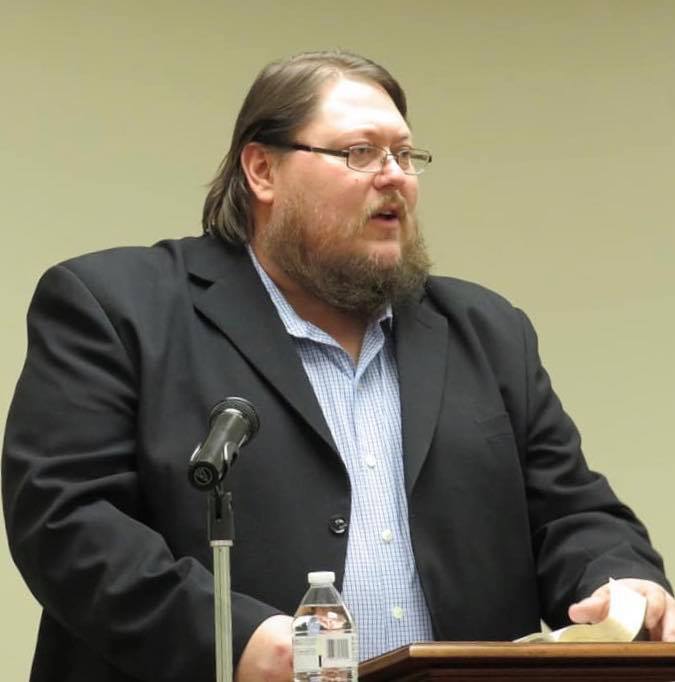
In this sermon, Mikal Smith addresses the doctrine of Holy Spirit baptism, distinguishing it from water baptism and clarifying misconceptions prevalent in various Christian circles. He identifies two main views: the Pentecostal belief that Holy Spirit baptism is a second blessing involving supernatural gifts, and the Protestant view that equates it with regeneration. Smith argues against both interpretations, asserting that Holy Spirit baptism is a unique, one-time event that occurred at Pentecost and has not been repeated since. Key scripture references include Matthew 3:11, Mark 1:8, and Acts 1:4, which highlight Christ as the sole administrator of this baptism, emphasizing the local church as the subject of baptism and the Holy Spirit as its agent. The practical significance of this doctrine lies in its implications for understanding church ordinances and the essence of true worship within the gathered assembly of believers as the pillar of truth.
“The administrator we see is Jesus. Jesus is the one who is baptizing. So anybody that talks about the Holy Spirit baptizing them, they're erroneous.”
“Holy Spirit baptism is a one-time thing, not an ongoing event.”
“What happened there is what's still happening today, you would need to have that evidence... the baptism with the Holy Spirit was a mighty rushing wind, cloven tongues of fire... That was a one-time event.”
“Just because something looks religious doesn't mean that it is genuine.”
The Bible teaches that Holy Spirit baptism is a unique event that occurred at Pentecost, distinct from water baptism.
Matthew 3:11, Acts 1:4-5, Acts 2:1-4
The truth of Holy Spirit baptism is affirmed by Scripture, particularly through the accounts of John's prophecy and its fulfillment at Pentecost.
Matthew 3:11, Acts 2:1-4, Acts 1:4-5
Understanding Holy Spirit baptism is crucial as it clarifies the nature of the church and its mission in God’s plan.
Acts 1:8, Matthew 28:19-20, Ephesians 2:19-22
Auto-generated transcript • May contain errors

Comments
Your comment has been submitted and is awaiting moderation. Once approved, it will appear on this page.
Be the first to comment!