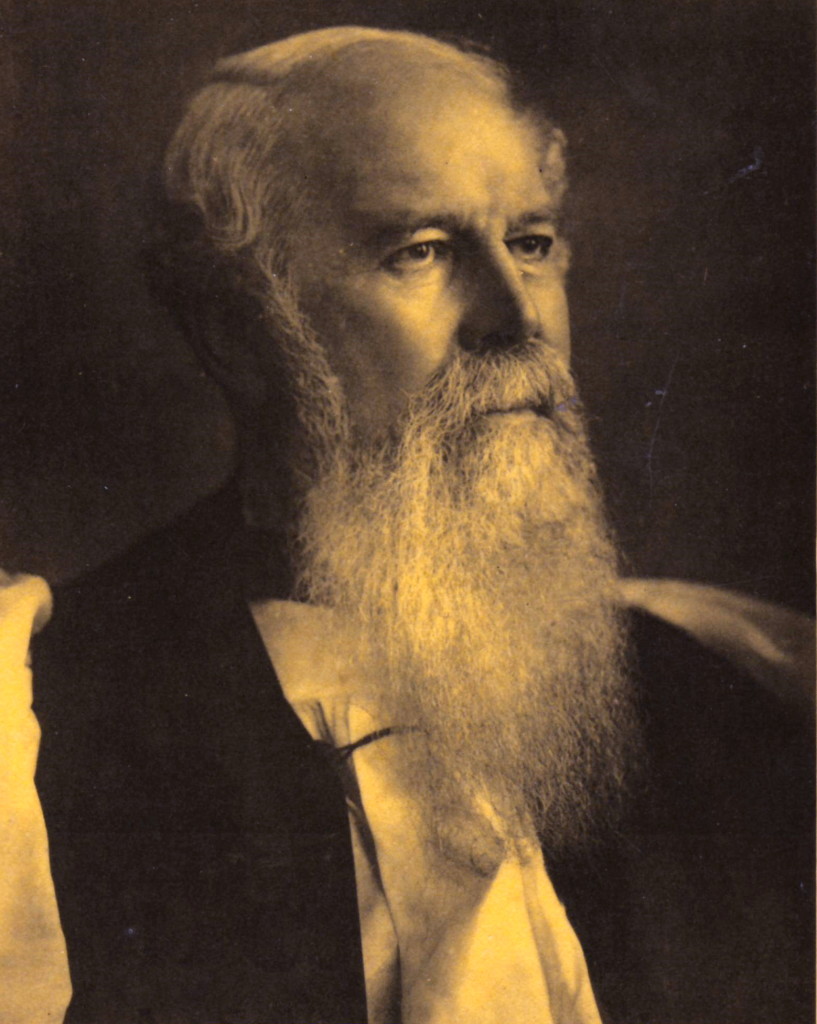
J. C. Ryle's sermon on Luke 3:21-38 focuses on the significant theological concepts of baptism, the Trinity, and the mediatorial role of Christ. He argues that Jesus' baptism serves as a momentous act, emphasizing the importance and grace conveyed through the sacrament of baptism. Ryle highlights the divine approval expressed by the Father and the action of the Spirit, demonstrating the participation of the whole Trinity in the work of redemption (Luke 3:22). He stresses that the effectiveness of baptism is contingent upon it being paired with sincere prayer and faith, instead of being treated as a mere ritual. Ultimately, Ryle urges believers to recognize that while baptism is vital for the Church, the grace of God is not confined to the sacrament, and that a personal relationship with Christ is crucial for salvation (John 14:19).
Key Quotes
“Baptism cannot be a thing of slight importance if Christ Himself was baptized.”
“The baptism which God blesses must be a baptism accompanied by prayer.”
“All three persons in the Godhead are equally concerned in the deliverance of our souls from hell.”
“In a dying world we are able to turn to a living Savior.”
The Bible teaches that baptism is an ordinance instituted by Christ for the church and represents a means of grace.
Baptism holds significant importance as it was embraced by Jesus Himself, who demonstrated its value by participating in it. This sacrament is not merely an outward form; it is a gracious means intended for the Church to invoke God's blessings. The errors surrounding baptism highlight the necessity for a sound understanding. Without prayer and genuine faith accompanying the act of baptism, we cannot expect to see its intended fruits in the lives of those baptized. It is essential to recognize that baptism is a vital means of grace but should not be viewed as containing inherent salvific power apart from the individual's faith and God's active work.
Luke 3:21-38, John 3:34
The doctrine of the Trinity is validated by the presence and active roles of all three persons of the Godhead in key events, such as Jesus' baptism.
The baptism of Jesus serves as a profound affirmation of the doctrine of the Trinity. In this moment, we see God the Son being baptized, God the Father speaking from heaven, and God the Holy Spirit descending in a form like a dove. This harmonious operation illustrates the vital role each person of the Trinity plays in our redemption. It affirms that the Father, Son, and Holy Spirit are equally engaged in the work of salvation and showcases their unified purpose to deliver humanity from sin and death. This comprehensive cooperation reassures believers of the immense power and solidarity within the Godhead working for our salvation.
Luke 3:21-38, Ecclesiastes 4:12
Prayer is essential in baptism as it accompanies the sacrament, invoking God's blessing and ensuring the act is performed in faith.
The close connection between baptism and prayer cannot be overstated. According to the example of Jesus, who prayed at His baptism, we learn that a baptism without accompanying prayer lacks the necessary element of faith that invites God's blessing. Too often, baptisms lack the earnest prayer that expresses the significance of the moment, leading to many who are baptized without understanding or belief. Hence, prayer is integral; it transforms the act from a mere ritual into a sacred communion with God, affirming the believer’s intent and earnest reliance on God's grace.
Luke 3:21-38
Jesus' genealogy signifies His fulfillment of Old Testament promises and highlights His role as the promised Messiah.
The genealogy of Jesus is not just a list of names; it serves as a profound testament to God's faithfulness in fulfilling His promises throughout history. Tracing Jesus’ lineage back to Adam emphasizes His humanity and true connection to mankind, affirming His role as the promised Savior. Each name represents a thread in the tapestry of God's redemptive work over generations, culminating in Christ. This lineage reassures believers of God’s fidelity and the historical reality of Jesus as the mediator through whom all can be reconciled to God.
Luke 3:21-38
Comments
Your comment has been submitted and is awaiting moderation. Once approved, it will appear on this page.
Be the first to comment!
