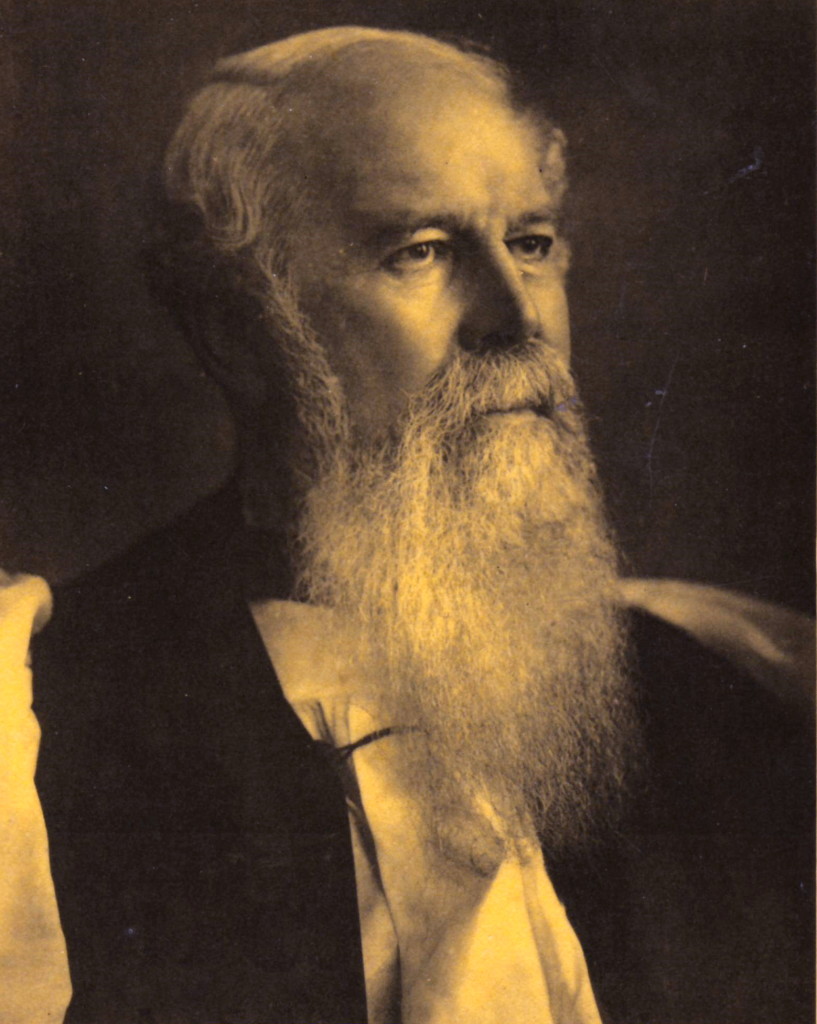
J. C. Ryle's sermon on "The Effect of John the Baptist's Ministry," based on Luke 3:15-20, addresses the pivotal role of John the Baptist in preparing the way for Christ and emphasizes several Reformed doctrines, including the call to reflection, repentance, and the sovereignty of Christ in salvation. Ryle argues that a faithful ministry compels people to think critically about spiritual matters, distinguishing the work of God in believers' lives from mere religious formalism. Key Scripture references include Luke 3:16-17, highlighting Christ's ability to baptize with the Holy Spirit and fire, contrasting John's role with that of Jesus. Ryle underscores the significance of glorifying Christ in ministry and the inevitable judgment that awaits the unregenerate, while also reminding believers of their ultimate hope in Christ's redemptive work and the assurance of eternal reward, even in the face of suffering.
Key Quotes
“Thoughtlessness about spiritual things is one great feature of unconverted men.”
“He must increase, but I must decrease will be a ruling principle in all his preaching.”
“No ordination, however solemnly conferred, can give man power to change the heart.”
“The best things are yet to come. They must count it no strange thing if they meet with hard treatment from man.”
The ministry of John the Baptist was to prepare the way for Christ, preaching repentance and the coming of the Messiah.
The ministry of John the Baptist, as detailed in Luke 3:15-20, serves to set forth the expectation of the coming Messiah. John baptized with water but pointed to one who was mightier, emphasizing the difference between his role and that of Christ. His exhortations led the people to reflect on spiritual matters, demonstrating that a faithful ministry inspires contemplation and openness to the truth of the gospel. John's refusal of glory for himself in favor of exalting Christ underscores the true purpose of Christian ministry: to magnify Jesus, the Lamb of God.
Luke 3:15-20, John 1:29, 2 Corinthians 4:5
Scripture indicates that Christ alone baptizes with the Holy Spirit, differentiating His spiritual work from the external rites performed by ministers.
The distinction between John's baptism with water and Christ's baptism with the Holy Spirit is a critical theological anchor in the Christian faith. In Luke 3:16, John emphasizes this difference, stating that while he baptizes with water, Jesus will baptize with the Holy Spirit. This illustrates the profound nature of Christ's redemptive work as He alone can transform hearts and impart genuine spiritual life. No human minister can accomplish what Christ does through the Holy Spirit, which underscores the necessity of a personal relationship with Him for spiritual regeneration and empowerment.
Luke 3:16, John 3:5-6, Acts 1:5
Exalting Christ is essential because true ministry points to Him as the source of salvation and the focus of the believer's faith.
The centrality of Christ in preaching is vital for the integrity of Christian ministry. As elaborated in the sermon, a true minister's task is to magnify Christ, not themselves. This principle is evident in John's response to his followers, where he redirects their attention from himself to the mightier one coming after him (Luke 3:16). A faithful minister will ensure that their teachings encourage congregants to reflect more on Jesus and understand His work in their lives. By exalting Christ, ministers fulfill their role as servants of the gospel, promoting a clearer understanding of Jesus' love and power to save sinners, which is the ultimate goal of all preaching.
Luke 3:16, 2 Corinthians 4:5, John 3:30
The wheat and the chaff symbolize the distinction between true believers and false professing believers within the church.
The metaphor of wheat and chaff, as stated in Luke 3:17, serves to highlight the reality of the visible church's composition, which includes both true and false believers. This mixed body will exist until Christ's return, at which point a divine separation will occur. The 'wheat' represents those genuinely transformed by Christ, while the 'chaff' signifies those who lack true faith. This reality underscores the importance of self-examination in the life of every professing Christian to ensure they are part of the wheat gathered for eternal life. The sobering truth of this separation calls believers to diligent reflection on their faith and a commitment to living out their calling as God’s chosen people.
Luke 3:17, 1 Peter 1:7, Matthew 13:30
Comments
Your comment has been submitted and is awaiting moderation. Once approved, it will appear on this page.
Be the first to comment!
