Bootstrap
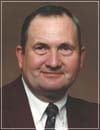
Carroll Poole

A Most Precious Claim

John 10:16
Carroll Poole November, 26 2023 Audio
0 Comments
Carroll Poole
Carroll Poole November, 26 2023

In his sermon "A Most Precious Claim," Carroll Poole focuses on the significance of Christ's declaration in John 10:16, where He states, "Other sheep I have, which are not of this fold." The central doctrine emphasized is the concept of a limited atonement, affirming that Christ's sacrificial work was specifically intended for His elect, the sheep given to Him by the Father. Poole argues that the nature of Christ's claims reveals His sovereign authority and the necessity of recognizing the helplessness of the sheep, who rely entirely on the good shepherd. He cites additional scripture references, such as Ephesians 2:13 and John 6:37-39, to support his assertion that faith is the result of God's predetermined grace rather than a mere human decision. This underscores the Reformed doctrine of divine election and the assurance of salvation, emphasizing that true faith is a gift granted to those whom Christ possesses.

Key Quotes

“When Christ our Lord speaks of himself, such is not the case. He never implies anything more or less of himself than he really is.”

>

“Believing is not the cause. Believing is the effect.”

>

“What I've been saying the whole time. It's not my claim on him that's worth anything. It's his claim on me.”

>

“Christ came to save his people. And save his people he shall.”

Sermon Transcript

Auto-generated transcript • May contain errors

100%
This is a very blessed portion
of God's holy word. When you and I, in our conversations
with people, when we use the personal pronoun I too much,
it's not a good thing. I this and I that. Because when speaking of self
too much, we tend to make I look better than I really is. And
to make I look better than you. I said that to say this, when Christ
our Lord speaks of himself, such is not the case. He never implies anything more
or less of himself than he really is. And in this chapter alone, John
chapter 10, he uses the personal pronoun I 30 times. Now don't leave me and start
counting them. You can do that later. But it's 30 times he says
I. When he says I say, And as in
verse one, verily, verily, I say, he's expressing the value of
his words. Verily, verily, which means surely,
surely I say, this is worth listening to. And then when he says, I
am, he is making claims of who he is. Verse nine, I am the door. Verse 11, I am the good shepherd. Verse 36, I am the son of God. These are claims he makes of
himself. Then his actions, verse 15, I
lay down my life. Verse 16, I have other sheep.
Verse 16, them also I must bring. Verse 25, I told you the works
that I do. He says in verse 27, I know. In verse 28, I give. In verse
30, I and my Father are one. That's a lot of I's. And on and
on we could go. But they're all true claims Christ
makes of Himself. He would not make a claim that's
not true. Now, our religious generation
is so locked into the mindset of a struggling Christ. He wants
to save everybody, but he's not able to get it done. And it's as if he made some invalid
claims. I assure you he didn't. I want to look at this one statement
today in verse 16. And I'll title this, A Most Precious
Claim. He made many precious claims.
All his claims are precious, but this is a most precious claim.
And here's what he says. And other sheep I have, which
are not of this fold. A most precious claim. Other
sheep I have. And I have just four thoughts
this morning to talk about this blessed statement from the lips
of our Lord. Uh, first of all, the symbolic character
that he speaks of his sheep causes, he calls them sheep, his people. And I don't have to tell you
that this. is used throughout scripture. He calls his people
sheep many times in the Bible. It must be important. Sheep are, as you know, in themselves,
not smart. Sound familiar? They're helpless. They're defenseless. They're
totally dependent on the shepherd. We could spend a lot of time
describing sheep, but here's the point. God does not have
any know-it-all self-sufficient sheep. How about every church does,
but God don't. His sheep are dependent, helpless,
and needy souls. You've heard the expression,
the black sheep of the family, like there's just one. About every religious, I thought
about this, about every religious painting you see of a shepherd
and sheep out somewhere and all the sheep will be white. That's
wrong. All God's sheep are black, black
with sin. Redeemed, yes. Justified before
a holy God, yes. In the blood of His dear Son,
yes. But black nevertheless. Sin. You see, sin is not what
you do. Sin is what you are. You do what
you do because of what you are. We all were born with the fallen
nature of sin. Now Christ is here speaking at
a feast in Jerusalem, verse 22 says, and He's speaking to mostly
prejudiced, unbelieving Jews. And He tells them in verse 26
why they don't believe. Now if this sounds strange with
you, just stay with me. I promise you, It will stay in
the Bible. Verse 26, now some folks would
love to tear this verse out of the Bible. But here's what it
says. Here's what he says to this crowd.
But ye believe not, because ye are not of my sheep, as I said
unto you. He didn't say you're not of my
sheep, because you don't believe. He said you don't believe because
you're not of my sheep. Believing is not the cause. Believing
is the effect. People say, well, I just don't
believe such and such. Well, you're not hurting God's
feelings. He might have left you in your
ignorance. to perish in your sins if you
don't believe His Word. And He wouldn't be unjust if
He left us all there. But He calls His people sheep.
Now the second thing is this. This claim that Christ makes,
other sheep I have, which are not of this fold, He reaches
outside of Judaism. The other sheep here are Gentiles. And he's saying the same as he
says elsewhere, that my sheep, my people are of every kindred,
nation, and tongue. There's no black and white, rich
and poor. Pretty and ugly, fat and skinny,
they're all the same. Old and young, all of the above. Now God could have sent His Son
to die for the Jews only and left us Gentiles out. As Paul said in Ephesians 2,
at one time we were without Christ. Aliens from the Commonwealth
of Israel. They had lots of promises in
the Old Testament. Strangers from the covenants
of promise. They had that. Not us. Where were we at? Having no hope. And without God in the world.
You think, well now, how very cruel and unkind of Paul to say
all that about us. But it was true. True. But then he continued, Ephesians
2, 13, but now, you want to watch that phrase in the New Testament,
but now, in Christ Jesus, ye who sometimes
were far off are made nigh by the blood of Christ. And all
who believe are these other sheep. Do you believe this morning Christ
alone as your hope? I hope you do. I trust you do.
You see, people get John 3.16 all wrong. Jesus did not say, for God so
loved the world that whosoever decides to believe. No, he didn't
say that. You don't decide to believe. To believe truly on the Lord
Jesus Christ is a gift. Paul said that in Philippians,
it is given you to believe. What he said was, for God so
loved the world that he gave his only begotten son That whosoever
believeth, that is, them that do. John 3.16 is not a proposition
to unbelievers. It's a promise to believers.
Them that believe. Whosoever believeth. And the
promise is this. Believers shall not perish. but
have everlasting life. But he said to this crowd in
this chapter of the elite religious folks, you believe not. Why? Because you are not of my
sheep. God's people believe. And this
is sovereign election. God's people believe to the extent
of living our lives to honor him who loved us. We don't need
any more religion that lives our lives to impress other folks. We need to live our lives to
honor him who loved us and gave himself for us. For 56 years now, I've heard the religious world
boast and holler, bless God, I believe God's people ought
to live right. They do. I believe God's people ought to
love one another. They do. I believe God's people ought to
give. They do. That's the character of the sheep,
God's child. Not to beat people over the head,
try to do right. Now, if you're trying to make
sheep out of goats, you do, but I'm not trying to do that. No. You might convince a goat to
act like a sheep for a while, but he'll blow it. You'll trust him enough to turn
your back on him and he'll, he'll butt you through the wall. That's
how that goes. All right, my third thing would
be this. Other sheep I have would be Christ's
present possession of His sheep. Other sheep I have. I have them. They're mine. That's a claim. That's a precious claim. I have them. Some of them don't
know it, but I know it. I have them. They're mine. This gets real big and we find
it throughout the scriptures. The Lord said to David, I took
you from the sheep coat. You were just a little boy tending
sheep. You were nothing and nobody. But you were mine. And I knew
you and all about you before I ever came
for you. And David testified to that truth
later in the Psalms, Psalm 139. He says to the Lord, thou has
possessed my reins. Thou hast covered me in my mother's
womb. My substance was not hid from
thee when I was made in secret and curiously wrought in the
lowest parts of the earth. Thine eyes did see my substance,
yet being unperfect. And in thy book were all my members
written, when as yet there was none of them. He said, Lord,
you knew all about me before there was anything about me to
know. One of his sheep, God told Jeremiah,
Jeremiah one five, the prophet Jeremiah, he said, before I formed
thee in the belly, I knew thee. Wow. Not while you were being
formed, I found out about your mama being pregnant. No. Before I formed thee, I knew
thee and ordained thee a prophet. Jeremiah was God's prophet before
he was born. Didn't know it. All God's preachers
are God's preachers before they're born and don't know it. All God's
children are God's children before they're born. and don't know
it. But He did. He did. Other sheep, I have. All God's children included in
this. God was in on everything before there was anything. It's
a little hard to get a hold of. Paul said in Galatians 1.15, somebody asked him in today's
language, Paul, when did you get saved? Hey, people don't
get saved. Somebody has to save them. A
dead man don't get alive. He has to be resurrected. A drowning man don't get rescued. Somebody has to rescue him. And a dead sinner don't get saved,
he has to be quickened to spiritual life by the Spirit of God. Here's
what Paul said, when it pleased God, Galatians 1.15, that's when
it happened. When it pleased God, who separated
me from my mother's womb. He knew about me a long time
before I knew about him. He loved me a long time before
I loved Him. And the only reason I love Him
is because He first loved me. Isn't that Scripture? Yeah. And here in John 10, 16, this is deity talking. This is
the God-man. The man Christ Jesus, Emmanuel. The eternal sovereign, God, the
son, he's making this claim. Other sheep I have. Talking to
these Jews. Other sheep I have, you're not
all there is. And then the fourth thing would
be the properties of this claim on what basis Could Christ say
this, other sheep I have? How could he say with all certainty,
other sheep I have? Well, the basis of this claim
is twofold. First, Christ makes such a claim
on the basis of the father's gift to him. Turn with me back
to the sixth chapter, back four chapters, John chapter six. And
we'll look at this gift. John chapter six. And verse 37. He says all. I hear the pages, I really want
you to get there, John, I'm so I'm going to wait, John six. Again, this is the words of the
Lord Jesus Christ. All that the Father giveth me
shall come to me. Now this is not said to Adam's
race. They're not coming. He doesn't say all that the Father
giveth me can come. He says all everyone that the
Father giveth me shall, of a certainty, come to me." And the verse continues, and
when they come, I won't cast them out, not a single one, under
any circumstances. Same chapter, John 6, verse 44. No man can come to Me, except the Father which hath
sent Me draw him, and I will raise him up at the last day. Same chapter, verse 65, And He
said, Therefore said I unto you, that no man can come unto Me,
except it were given unto him of My Father. And the next verse
66 says, from that time, many of his disciples, not his children,
but many of his disciples, followers, students, so claimed to be, went
back and walked no more with him. They said, we don't want
a God that chooses his own family. We want a God that's at our mercy
and pleads with us to decide if we want to be part of his
family. No, Christ said, here's who my
sheep are. All that the father giveth me. You can tear that out of your
Bible. I'm not going to do it. All those come to me. Because all
those He draws to me. Now, who are they? Again, let's
turn to the other direction, to the 17th chapter of John. 17th chapter of John. I'm happy
to see y'all turning and hear y'all's pages turning, because
usually people that cuss about this don't even use a Bible.
They know more than God knows to start with. But John 17. Here's who they are. Christ is
praying this great high priestly prayer, John 17, and seven times
he refers to them which thou hast given me. Look with me,
John 17, verse two, as thou hast given him power over all flesh,
that he should give eternal life to who? To as many as thou hast
given him. Verse 6, I have manifested thy
name unto the men which thou gavest me out of the world. That's the second time. Later
in verse 6, thine they were and thou gavest
them me. That's three times. Verse 9,
John 17. I pray for them. I pray not for
the world, but for them which thou hast given me. That's the
fourth time. Verse 11, latter part of the verse. Holy
Father, keep through thine own name those whom thou hast given
me. That's five times. Verse 12. While I was with them in the
world, I kept them in thy name. Those that thou gavest me, I
have kept." That's six times. And verse 24, Father, I will
that they also whom thou hast given me be with me where I am. That's seven times Christ has
said, I am praying for those whom thou hast given me. But verse 9, he said, I pray
not for the world, the unbelieving world. I didn't come to save
them. I'm not saving them, not praying
for them. He came to save his people and he's getting it done. And he's going to damn the rest.
And justly so. So that's the first basis of
this claim. Other sheep I have. I have them because my father
gave them me. And the second property or basis
of this claim is the son's purchase of the sheep. He says they're
not only mine because my father gave them to me, but he said They're mine because
I've redeemed them. I died for them. Verse 11, the good shepherd giveth
his life for who? The sheep. Verse 15, I lay down
my life for who? The sheep. Verse 17, I lay down my life.
Verse 18, I lay it down on myself. I have power to lay it down.
I have power to take it again. If you think we're just in the
Gospel of John, let me give you a verse. We'll not turn to it.
Matthew 1.21. You'll be reading the Christmas
story here right away. Matthew 1.21. Before Christ was
born, the angel said to Joseph, Thou shalt call his name Jesus,
which means Savior. Why call him Jesus? For he shall
save. Save who? His people from their
sin. You see, the Lord Jesus didn't
come into this world to try and get him a people. He came for
a people. He came to save those who were
already his people. You say, well, I'm all confused.
What's my part? Well, what's my part? I'll ask
you a question. What was your part before you
were born physically? What was your part in instructing
that man that you call dad and that woman that you call mother
to come together and produce what you look at in the mirror?
What was your part in that? None. And so it is in spiritual birth. John 1.13, which we're born, not of blood, so much for nationality,
nor of the will of the flesh, so much for free will, nor of
the will of man, so much for talking a goat into being a sheep. But it's of God. What a great verse, John 1.13.
Ephesians 2.1, And you hath he quickened who made a decision? No. And you hath he quickened who
were dead in trespasses and sins. James 1.18, Of his own will begat
he us with the word of truth. Whose free will was it? God's. Other sheep I have. What a precious
claim. And someone this morning might
say, Oh, if only I knew I was one of his sheep. Well, let me
give you two things, how you can know. Number one. Goats never really want to be
sheep. Some want to be religious. Some want to be in the lamplight. Some want to deceive other people,
be thought well of in religion. And some want to run the church. But they're goats just the same. They never really want to be
a sheep. That is to be submissive, obedient,
totally dependent on the shepherd. Sheep never really, and here's
number two, sheep never really want to be goats. We grieve over our failures. That we act like goats sometimes
rather than sheep, but we never want to be goats. Sheep don't want to fight and
bully to get to the ragweeds and the kudzu and the tin cans.
Oh no. Sheep want to follow the shepherd
into the green pastures. that he provides. So what's in your heart this
morning? Is it goat-like characteristics? Self-sufficient? Independent? I've had so many people, oh,
I can make it. Oh, I'm all right. Yeah. Or do you have sheep-like characteristics?
This is certainly a most precious claim to Chrysalis sheep, other
sheep I have. And I want to testify. I'm so
glad for his claim on me today. And I am so glad that he won't
change his mind. He says this, he goes on to say,
I give unto them eternal life and they shall never perish.
There's no if in there. And no man is able to pluck them
out of my hand. Let me give you a final statement
and I'm through. This is what I've been saying the whole time. It's not my claim on him that's
worth anything. It's his claim on me. If you search this Bible looking
for somewhere maybe you've made the grade, you're wasting your time. You
haven't. But oh, dear friend, if you'll
search this book, if you're God's child, where he'll tell you that
I did it all, I'll take care of you, you can rest in me. Hell will never capture a single
one. I cannot conceive. of one Christ
died for, perishing in their sins. It won't happen. It won't happen. Hell will not be able to shake
its fist in God's face for eternity and say, goody, goody, I got
one you wanted. Uh-uh. No, no. Christ came to save his
people. And save his people he shall.
He's redeemed us by His death on the cross. And He's saving
us, saving us day by day, every day that we live. That's what
Paul meant when he said, now is your salvation nearer than
when you first believed. He didn't mean you weren't redeemed.
But by salvation, he means the finished product. God's going
to see it through and take us all the way.
Carroll Poole
About Carroll Poole
Carroll Poole is Pastor of East Hendersonville Baptist Church, Hendersonville, NC. He may be reached via email at carrollpoole@bellsouth.net.
Broadcaster:

Comments

0 / 2000 characters
Comments are moderated before appearing.

Be the first to comment!

1
Joshua

Joshua

Shall we play a game? Ask me about articles, sermons, or theology from our library. I can also help you navigate the site.