Bootstrap
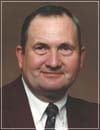
Carroll Poole

The Prodigal Son

Luke 15:11-32
Carroll Poole November, 30 2014 Audio
0 Comments
Carroll Poole
Carroll Poole November, 30 2014

Sermon Transcript

Auto-generated transcript • May contain errors

100%
And this chapter, Luke 15, it
consists in its entirety, with the exception of verses one and two, a threefold
parable. It is often referred to as three
parables, but verse three says, and he spake this parable unto
them. And then that continues. all
the way to the end of the chapter. So it's one three-part parable. And each part complements the
other, teaching the purpose and the lesson of the parable, which
is to bring into the owner's possession that which had been
lost. And in the first part, beginning
in verse 4, it's a man having a hundred sheep. and losing one
of them. And the emphasis from that point
on is not to be more careful with the 99, but the emphasis
is on finding the one that's lost. And notice the scripture
doesn't read that he hunts to see if he can find it and hope
he can find it, but he searches until he finds it. That's the
story. And then the second part, beginning
in verse 8, we have a woman with ten pieces of silver, and she
lost one. And the emphasis is not given
to taking better care of the nine she has left, but the emphasis
is on finding the one she lost. And then in the third and more
familiar part, beginning in verse 11, A man has two sons and the
younger he requests his inheritance and goes his way. And the following
emphasis then is first on the one that left and then later
on the one that stayed home. The Lord's dealings with us are
one on one. There is no such a thing as group
salvation. It's an individual matter. You messed up, you know, your
life, messed up as it may be, is a mission all its own. And the Lord has a way of working
with you personally. You're not just a number to Him.
He's well acquainted with where you are and what you are and
why you're there. You can take that personal. So
we see that when it's one of a hundred, the emphasis is on
the one. When it's one of ten, the emphasis is on the one. And
for the heart of the lesson Christ is teaching, when we come to
the two, the two sons, the emphasis is on the one. And then on the
other one. So we're looking at this portion
of the story this morning. Now, verses 11 through 32. And
you often hear this referred to as the parable of the prodigal
son, but notice the Lord Jesus doesn't call the younger son,
the prodigal son. He calls him the lost son. The story is both a comparison
and a contrast of these two sons. The story has been sentimentalized
so much regarding the younger brother. And we can imagine here
in Luke 15 that those who are hearing the Lord speak, we imagine
that their eyes are all wet with tears as they hear this beautiful
story. The Lord Jesus tells of the father's
love, welcoming the younger son home. But when we understand
what Christ is really teaching here, we see that some of the
listeners are offended and are furious over it. So his purpose
here is not to warm hearts and create an emotional moment, but
it's to distinguish between the hearts who were subjects of His
grace and those who were not. The key to the chapter, and really
what brought it on, is found in verses 1 and 2. So notice
these two verses with me carefully. There's two kinds of people.
And these two kinds of people are compared to these two sons. So now look at the first verse.
then drew near unto him all the publicans and sinners for to
hear him." That's the first group. And these are the most despised
people in all of Jewish society in Jesus' day. The publicans,
tax collectors, they were successful and they were wealthy. from collecting
taxes from the Jews, their own people, and they're working for
the Roman government, collecting that tax money. They are the
IRS men that everybody loves. No, not really. See, they were
despised. And they were counted by the
Jewish people as traitors. And they were greatly despised. Publicans and sinners. By sinners
here is meant fallen people, immoral, disgraceful in society,
including the harlots. Numerous places our Lord would
link these two together. He'd say the publicans and the
harlots, the publicans and the sinners. And that's what's said
here. But notice why they came to Jesus
in verse one. They never came to fight or argue
or complain or protest, but verse one says they came for to hear
Him. To hear Him. Wow. Not just to hear Him with their
ears, but to hear Him with their hearts. Now in verse two, we
have the other kind of people represented. The religious and
the respected. those who knew something and
were something. But notice, if you will, in verse
two, while they came and the Pharisees and scribes murmured
saying, this man receiveth sinners and eateth with them. This was their problem with the
Lord Jesus Christ is that he received sinners. and they didn't. I want to tell you right now,
this is the ultimate in hypocrisy, is when one person in the church
falls out with somebody else in the church because they befriended
someone who has fallen. Oh, that should never be in any
church, but it is, I guess, in about every church. We've come
to the place Nowadays in our society, that if folks don't
have money and they don't have talent and they don't have a
good name, we don't want them. Well, I want them. I want them,
okay? The way it is nowadays, you know,
people think, well, if they've never had legal problems or if
they've never had marriage problems or if they've never had financial
problems, or if they've never had any problems with their young'uns,
we'll take them. No, regardless of all that, anybody
that's willing to come here and sit and hear me try to preach
the gospel of Jesus Christ, I want them. I want them, okay? Now,
what these scribes and Pharisees were saying to Jesus was, they
were giving Him an ultimatum. It's them or us. You choose. That's their problem with him.
He's receiving sinners. And they were saying to him,
if you want our approval, you need to quit having anything
to do with that bunch. You need to quit receiving and eating
with sinners. Well, apparently Jesus never
wanted their approval and certainly never needed it. Now, look at
the first few words of verse one. Then draw near unto him,
drew near unto him, all the publicans and sinners. The Greek tense
of that verb, drew near, it's actually this, then were drawn
near to him. And that's the prevailing pattern
of Christ's ministry in this world, was to attract and to
draw to himself the very people most despised and most hated
by mainstream religion. That has not changed. So the
lesson Christ is about to teach is not just the prodigal son,
as you've often heard, but rather it's two prodigal sons, two of
them. Now, the younger son, who physically
left home, left his father knew he broke his father's heart,
abused his father's love. He knew it. He knew it. But he could, in due time, when
he came to himself, return. The elder son, who stayed at
the father's house physically, he never was there in heart.
But he was there physically. He could not return because he
never knew he'd left. You can't come from somewhere
you hadn't been. And that's the shape of the scribes
and Pharisees. Christ is saying to them, you
can't return to the Father because you can't even conceive that
you've left. You can't repent because you
can't even imagine having anything to repent of. He told them in Matthew 21, verily
I say unto you, that the publicans and the harlots go into the kingdom
of God before you. So he was drawing real sinners
to himself everywhere he went. And you read the whole story
of the four Gospels. You'll find this. In Luke 7,
he went to be guest at a Pharisee's house named Simon. And Simon
and his friends and the Lord was invited. And guess what? They all left just like they
came. Except for one sinner woman who
was not invited by Simon. but all in the authority of a
sovereign holy God. She really was invited by the
Holy Ghost and she left differently that day. Her life was changed. Another time, Luke 19, he passed
through Jericho and a crowd followed him, all swarming around him
to hear him and to see him. But the next day in Jericho,
everything was back to normal. except for one tax collector,
a little short guy who had climbed up a tree to see him, to inquire,
to learn about this one called Jesus and his life was changed
forever. You remember one day a multitude
pressed against him. Oh, they were swarming around
and they all went their way unchanged. except for one woman was in her
heart to touch him. If I can but touch the hem of
his garment and she was changed forever. You see, all the rest
could not savingly come to Christ because they didn't really know
they'd left him. That's the elder brother. That's
the elder brother. He's more of a prodigal than
the younger. You see, the younger's rebellious
heart took him to the hog pen. The elder's religious heart was
the hog pen. That's the story. Now, we've
got plenty of empty seats here this morning. I've already talked
about this. But you see, we don't need any
more good people here. There's enough of us. We need sinners. Sinners. If you can find any sinners,
please bring them to church. We don't need any more folks
to tell us how it ought to be done. That's wore me out. We need somebody that's interested
in hearing about a remedy for their sins. That's who Christ died for. That's
the only crowd to whom the gospel is good news. Everybody else is not interested.
Everybody else wants to be entertained. Everybody else wants to be put
up on a pedestal and made to feel good about themselves. But
you see, there's nothing good about ourselves to feel good
about. Just tell us how much better
people we are than other people, but we're not. Notice why, and we didn't take
time to read this whole story. You should do that pretty often
and you need to do it again, but I'm just going to refer to
some verses here. Notice why in verse 29, after the younger
son came home, notice why the elder brother wouldn't join the
celebration. Look what he says. He said to
his father, this is after he's done and waited outside mad,
and his father came out to get him and said, son, how come you
don't come on in and join the party? He answering said to his
father, lo, these many years do I serve thee, neither transgressed
I at any time thy commandment. He hadn't given him any party.
This party should be about me, not about him. Now, what's this elder brother's
problem? What's his problem? It's not
his sins keeping him out. It's his righteousness, self-righteousness. See what he said here? I've never
transgressed. I've never transgressed your
commandment. Dad, I've always done what you
told me to do. I've always been here for you.
He said, Lo, I've served you these many years. He says in the church house,
I'm here every time the doors are open. I live clean. It's just a fact. I'm the cream
of the crop. And what Jesus Christ is saying
to these scribes and Pharisees is this. It's not your sins keeping
you out of the kingdom. You don't think you have any.
But it's your stinking self-righteousness. That's what's keeping you out. See, most people think that sin
is breaking a few rules. Maybe telling a little white
lie, cussing out loud or something like that. No, no, we all break
the rules. Sin is running from God, avoiding,
escaping, contending. I don't really need you. That's the trouble. And today's
religious prescription for avoiding Christ is to live so good you
don't need Him. And that's what 95% of religion
in America is about today. Live so good that you won't need
Him. Now, I'm not saying you ought
not live good, but I'm saying, honey, you ain't gonna live good
enough. Because God's standard is perfection and you ain't even
close. But that was precisely the attitude
of the elder brother. And he feels he has the right.
He feels he's earned the right to tell the father who he should
throw a party for and who he shouldn't. He feels he's earned
the right to tell the father what he should do with the robes
and the rings. and the fatted calf. This elder
brother was every bit as resentful of the father's authority as
the younger son ever was. But he was a hypocrite. He stayed
at the house playing Mr. Spiritual. You see, the younger son, from
the beginning, he said, I want mine. I want out of here. He
was a sinner, but he was no hypocrite. He's been out there. Everybody
knows he's been out there. He's not ashamed to testify before
the whole family. Thank God I'm not still out there. The Lord brought me back. Can I say this morning, it does
not matter how far you've gone, how low you've gone, or what
you've done. Don't be a hypocrite. Don't play
games. Be genuine. Put all that mess
behind you. Leave that world that you know
would destroy you and seeks every day to destroy you. Dive in with
God. Give Him your life and all that
concerns you. See, you don't owe the Pharisees
anything. Matter is not what people think or say. Just concentrate on leaving that
hog pen and get home. Get home. The younger son was
so anxious to get to his father. The Scripture tells us that the
father got up and ran to meet him. Ran to meet him. But I fear
what we have in our day and time is buildings sitting full of religious
people on Sunday morning contending, I've never been out there. But sin has put us all out there. And the tragedy is If you deny
knowing anything about the hog pen and contend you've never
been there, you're still there. Now, for younger sons who would
come to the Father, who would come home, what is the pattern? First, at the hog pen, he came
to himself. If the Holy Spirit never speaks
to your heart, about where you are, show you your condition,
and says you don't belong here. Unless the Lord does that, you'll
never leave there. That bottle, that needle, that
adultery, that stealing, that lying, all that stuff, unless
the Spirit of the Lord says that's not for you, get out of here,
then you can't leave the hog pen. But when He speaks, you
will leave the hog pen. Next thing, He repented. Look
at verse 21. The Son said unto Him, Father,
I have sinned against heaven and in Thy sight, and am no more
worthy to be called Thy Son. Now the Father has already ran
and kissed Him, in the previous verse, verse 20. So he didn't repent to obtain
the Father's kiss. He repented after he had received
the Father's kiss. That's the order. And so in seeing
both sons in this, we need to repent not only of our sins,
but of our righteousness, self-righteousness. that hellish thought that anybody
needs God more than you do. Oh, that's hellish. Nobody needs
God more than you do. The elder brother, he just had to profess that he
did right all those years. He did that trying to shame the
father, trying to put a guilt trip on the father, trying to
put the father in his debt so he could say, he could have some
kind of say in the kind of life he deserved and keep some control
over the father's blessings. This elder son's attitude really
was to make nothing of the father. You know the story from the beginning.
The father had parted his goods to the two boys. The younger
took his and left. And the other felt like, well,
everything that's left here is mine. That's what the older boy
thought. And matter of fact, the father
told him in verse 31, Son, thou art ever with me. All that I
have is thine. I give you everything. But at this point, in showing
kindness to the younger brother, the elder brother felt that the
father's kindness was at his expense. What you're giving him
is supposed to be mine. He felt like the robe, the ring,
the fatted calf was really not the father's to give, it was
his. So we see those two prodigals. Now here's the big picture of
the story. Hold on, listen to me a minute.
You need to read this story carefully and meditate on it and think
about it to see this. There's a third brother represented
in these two, and it's the Lord Jesus Christ. And he is represented in both
these boys. First, He's the elder brother. Not in that he's the hypocrite
this boy was, but he's the one in verse 29 who can truly say,
I've never transgressed. I've never transgressed. Who
convinces me of sin? Who can name any thing? He's the one to whom the Father
says in verse 31, Son, with a capital S, all I have is thine. Well, now
that's what Christ said just before he ascended after the
resurrection. All power, meaning authority,
is given me in heaven and in earth. The Father said, Son,
it's all yours. Christ is the true elder brother
with the Father, one with the Father from eternity. Christ
is also represented in the younger son. You say, oh, now how could
that be? Well, he came to the hog pen
of this world because that's where he finds
all his sheep, at the hog pen. The first boy deserved to be
at the hot pen but never went. The second boy deserved it and
went. But Christ never deserved it
and went. He who knew no sin was made sin
for us. And it is Christ in verse 17
who came to himself. who came to himself. I've heard
it said many times about this younger son at the hog pen. When
he was at the bottom, he came to himself. He finally
come to his senses. He was finally in his right mind. Not in himself that didn't happen.
Oh no, that was a divine work. Christ came to Himself. When you and I came to ourself,
we were in the hog pen where we belonged. But when Christ brought us to
that, we left the hog pen. He brought us out. The Good Shepherd
came. brought his sheep out. He went
to the hog pen. He went to the shame, the suffering,
the mockery, the humiliation, all that this world could put
on him and do to him, crucified on a cross. But when he came
to himself and left this hog pen, he never left alone. He rescued all His sheep from
it. We're risen with Him, Paul said,
and we're made to sit together with Him in heavenly places in
Christ. 2 Corinthians 5.21, For He, God
the Father, hath made Him, Jesus Christ, to be made sin for us. us sinners, that we sinners might
be made the righteousness of God. We're made the very righteousness
God requires. You say, oh, there's nothing
righteous about me. There's the righteous one living
in us. God never views his children
apart from his son. He sees us in Christ. made the
very righteousness God requires in Him, in Christ. So that's the story today of
the prodigals. Which one's the better off? The
fellow that never left home, but his heart was in the hog
pen? Or the fellow that actually went to the hog pen and was brought
out of it? I'll take the latter. I'll take
the latter. Bless his holy name. Thank you
for your attention. Let's stand together.
Carroll Poole
About Carroll Poole
Carroll Poole is Pastor of East Hendersonville Baptist Church, Hendersonville, NC. He may be reached via email at carrollpoole@bellsouth.net.
Broadcaster:

Comments

0 / 2000 characters
Comments are moderated before appearing.

Be the first to comment!

Joshua

Joshua

Shall we play a game? Ask me about articles, sermons, or theology from our library. I can also help you navigate the site.