Bootstrap
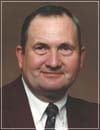
Carroll Poole

Forgiving Others

Genesis 45:1-8
Carroll Poole September, 29 2013 Audio
0 Comments
Carroll Poole
Carroll Poole September, 29 2013

Sermon Transcript

Auto-generated transcript • May contain errors

100%
I want to talk to us from this
last line, even as God, for Christ's sake, hath forgiven you. And the title of our message
today is Forgiving Others, Forgiving Others. Unforgiving comes natural. Forgiving is supernatural. You say, well, I've never had
a problem forgiving people. Well, you want to make sure of
that. You want to make real sure of that. It's pretty easy to just condemn somebody to hell, mark
them off of your list as if they don't exist, and say, well, I've
forgiven. But when we consider that a person
you ought to forgive may also be God's child, just like you are. It puts things
in another light. Our Father does not take one
child's advice and kick another child out of the house. No, He
cares for all His children. And I do not want to hinder my
own spiritual progress by being loaded down with baggage, ill
feelings, bitterness, unforgiveness toward anyone for anything. And the Lord has not give me any relief but to
bring this subject and this message this morning. There are certain
subjects that a preacher can't preach just any time. I've never been one to just,
you know, jerk up a thought by these outline books or hear another
man's sermon and just jump up and preach it word for word.
No, what I share with you from this pulpit has to be working
in my heart before I give it to you. That's
how the Lord does it. Things happen in our lives that
call for decisions to be made. Things happen in our lives that
create attitudes and call for responses. And God's Word is the textbook,
it's the guidebook, it's the instruction book of how we are
to respond to these things. So while I don't know anyone
here this morning with an unforgiving spirit working in your heart,
I hope there's not, but at the same time the Lord
is gracious to send us this message through His Word. And I want
you to understand, it's God's message. All the preacher is
is the messenger boy, that's all. It's not my book, it's God's
book. And the subject this morning
is not just my idea for today, it's God's message for today.
It could be for one or two, probably for all of us. So these verses we've read are
very plain spoken instruction, inspired of God through the pen
of the Apostle Paul. And in verse 30 he said, And
grieve not the Holy Spirit of God. And how do we go about that? Well, the next verse lists some things that certainly
do grieve the Holy Spirit. He says in verse 31 some things
to put away. Bitterness, wrath, anger, clamor,
evil speaking. Let these things be put away
from you with all malice. Those are all negative things. that we need rid of. But then verse 32 is the positive
side. And be ye kind one to another,
tenderhearted, forgiving one another. And then he gives the
great motivation for forgiving others. You're not We're not exhorted
here to forgive others because we're such a good person and
we always forgive people. We've just got it in us to forgive
people. No, it's not that. And the motivation for forgiving
others is certainly not that they deserve to be forgiven.
No. But here in verse 32 is the great
motivation for forgiving folks. Forgiving one another. even as
God, for Christ's sake, hath forgiven you." That's the reason. That's the reason. We should
never forget that. Mr. Spurgeon, C. H. Spurgeon,
said about this verse, if we do not choose to forgive others,
then we choose to be damned ourselves. Now, exactly where he got that,
you can figure out, but I'm reminded of the text we were in last Lord's
Day in Matthew 6 about prayer. Our Lord said, when you pray,
you pray like this, you say this, and forgive us our debts as we
forgive our debtors. That is, on the same level, to
the same degree actually, Forgive us our debts to the same degree
that we forgive our debtors. So an unforgiving heart is a
heart that is asking God not to forgive me. See? So that's a good statement Mr.
Spurgeon made. Romans 12, 19, Paul said, Dearly
beloved, avenge not yourselves. rather give place unto wrath.
For it is written, Vengeance is mine, I will repay, saith
the Lord." Vengeance belongs to the Lord. He said it's mine,
not yours. Now, of course, vengeance on
our part is the natural byproduct of unforgiveness. Along with
unforgiveness, will come the irresistible desire to get even. And the only way in this world
to avoid this awful spirit of wanting to take revenge is to
forgive, totally forgive. It's not an easy thing for any
of us. Through the years, all of us
could think back of many times in business dealings, in family
dealings, even in religious dealings, when you've been done wrong and
it's not fair and we feel like it's only right
to do something. And we feel like, well, it's
me that's been hurt. It's my life. It's my reputation. It's my battle to fight. And we choose to ignore in those
times that we belong to the Lord. It's not my life. It's His. I'm bought with a price. It's
not my battle to fight. It's His. I'm not left alone. And though there might be times
when you'd be unable to find a friend anywhere, we have the
promise of God's Word concerning our blessed Lord. It's not our
battle. We have the words of the psalmist,
be still, be still. And when we're finally able to
do that, I find one speaking in my heart who is my friend,
has been all along and will be forever. So we're going to talk
a few minutes about this thing of forgiving others, totally
forgiving others. There must needs be an emphasis
on the word total. What we'd like to call partial
forgiveness is really unforgiveness. The only true forgiveness is
total forgiveness. The late Dr. D. James Kennedy
from Florida died a few years ago. He said in reference to
this word total, It means all. He said we have a problem with
the alls of anything. And he made this statement. The
Omnis belong to God. That's what the word Omni means
all. He said the Omnis belong to God. Omniscient. He's all-knowing. Omni-present. He's all places
present. omnipotent, all-powerful. The omnis, the alls, the totals
belong to God. But they're very, very hard for us.
We think some is enough, but some is not enough when it comes
to forgiveness. We're called to totally forgive. Now I read a while back about
the testimony of a dear man who just opened his heart and told
his story. He told about his battle to forgive
people. He had been badly hurt and misjudged,
and he said there were times when he felt like he had dealt
with it and put it behind him, and then later it would flare
up again. flame up again and burn hot in
him with anger and with unforgiveness. Then he began to notice a very
clear pattern or cycle in his life. He said, when I diligently
pursued to totally forgive and I genuinely worked at it, I felt
the peace of God return to my heart. But when I let the bitterness
and the resentment which came so naturally, when I let it brew,
when I fed it, I would sense the peace of God
leaving me. It got clearer and clearer, he
said, the contrasting effects of those two attitudes, forgiveness
or unforgiveness. And he said, the Lord one day
very unexpectedly spoke to my heart and said, settle this today. Which do you prefer? My peace
or your bitterness? And he said, I wanted God's peace.
And he fell to his knees and cried to the Lord for help to
forgive and forgive totally once and for all. So I would just
repeat those words from the Lord to his heart, to our hearts this
morning. Settle it today. Do I prefer
God's peace? or my bitterness. I prefer God's
peace. I prefer God's peace. Turn with me back to Genesis
chapter 45. Genesis 45, the story of Joseph in the Old
Testament contains many lessons to be learned from his life particularly
in this area of forgiveness, forgiving his brothers who had
sold him as a slave, as just a piece of merchandise. He was
carried down into Egypt a slave. Joseph, you know, is a tremendous
picture of the Lord Jesus Christ, beloved of his father. Because
Joseph was beloved of his father, his brothers hated him for it.
And there's something in all of us by nature like was in those
brothers. There is a fallen nature in all
of us that hates Christ and would sell him out without shame. And all of our troubles in this
life Spring from that, the old nature selling out the new. The old nature selling out the
new. It's supposed to be the other way around. But Joseph
never occupied himself with complaining or with grieving that he was
in Egypt or how he got there. But he occupied himself with
being there. how to face today, every day,
how to face this day, and make the best of it, and make the
most of it. And that's what we need to do.
He couldn't go back. He couldn't undo the mess. And
neither can we. But he lived for today. And he
looked to God today. And that's what I must do and
you must do. Before we talk about Joseph,
in the man's testimony I told you about a few moments ago, he made three statements that
I want to repeat to you before we get to Joseph. He said forgiveness
is not a group endeavor, it is an individual matter. That's pretty big. In other words,
when you decide to talk about things and involve anyone other
than God and yourself, you're going to get more help
with not forgiving than you are with forgiving. It's an individual
matter. It's a personal matter between
you and the Lord. And the second thing he said
was, the person who gains the most from forgiving is the person
doing the forgiving. The person that done you wrong
may not even be a believer, may have forgot about it, does not
care, and is going on with life. But to not forgive will eat a
believer alive. It's easy just to say, well,
they ought to forgive me. They're more in the wrong than
I am. Yeah, but them forgiving you won't fix your heart. You
forgiving them will fix your heart. It's not the one who offends
the least that gets out of the ditch first, it's the one who
forgives most that gets out of the ditch first. And the third
thing he said, and this one is really hard, he said the ultimate
proof of total forgiveness is when you can genuinely petition
the Lord to let those who have hurt you off the hook. Let them off the hook. That's
a common saying we often hear. Well, I'm not going to let them
off the hook. I'm going to make them pay. Well, it'll cost you
more than it'll cost them. So let's read here in Genesis
45. I want to read eight verses.
Talk about Joseph's experience a little bit. and then apply
it to ourselves. Genesis 45 verse 1, Then Joseph
could not refrain himself before all them that stood by him, and
he cried, Cause every man to go out from me. And there stood
no man with him, while Joseph made himself known unto his brethren. And he wept aloud, and the Egyptians
in the house of Pharaoh heard And Joseph said unto his brethren,
I am Joseph, doth my father yet live? And his brethren could
not answer him, for they were troubled at his presence. And
Joseph said unto his brethren, come near to me, I pray you. And they came near. And he said,
I am Joseph your brother, whom you sold into Egypt. Now therefore,
be not grieved nor angry with yourselves, that you sold me
hither, for God did send me before you to preserve life. For these two years hath the
famine been in the land, and yet there are five years into
which there shall neither be earing nor harvest. God sent
me before you to preserve you a posterity in the earth, and
to save your lives by a great deliverance. So now it was not
you that sent me hither, but God And he hath made me a father
to Pharaoh, and Lord of all his house, and a ruler throughout
all the land of Egypt." Remember, it's been many, many years since
Joseph's brothers sold him. And the Lord has exalted him
in Egypt. And now he makes himself known
to them as they've come to buy corn in time of famine. So I
have seven things about this and we'll be brief or seven lessons
we could say from the forgiving spirit of Joseph. He was so much
like Christ in his conduct and so little like me. I don't
claim this morning to have measured up to all these seven things. Hopefully you can say amen to
some of them. But these seven things could
help somebody here this morning. We're not a real large group,
but I want to tell you this. We sure got a lot of directions
in our lives. Just in this little crowd here
this morning, only God knows the experiences, the troubles,
the heartaches. And we trust there's not any
unforgiveness. But the Lord would have us hear
these things this morning. Maybe there's something in your
heart that goes back a lot of years. I don't know. But for a lot of us, it's not
going forward many more years because most of us don't have
many more years in this life. And it'd sure be good As the
old song said, to have nothing between my soul and the Savior
when it comes time to leave here. I know people and you know people
that are still telling the same stories they've told for 20 years,
30 years, how somebody did them wrong. I know certain people
and just as sure as I run into them or visit them or call them,
I'm going to hear about that again and again and again. They
just haven't gotten over it. Well, Joseph, as a man, has got
a pretty good case here against his brothers. But for him, it's no case at
all. Why? He dealt with it long ago. And
when this time comes, Genesis 45, there's nothing left but
love. There's no bitterness. There's
no unforgiveness. And so we learn these things
from Joseph. If someone has done you wrong
and you're having a problem with it, here's number one. It is
not wise to let everybody know the wrong done to you or who
did it. You say, well, that would take
all the pleasure out of being mistreated if I couldn't whine
about it to everybody I know. It sure would, wouldn't it? It
sure would. Did you ever consider how careful
Joseph was here not to let anybody in Egypt know what his brothers
had done to him. When he got ready to reveal himself
to his brothers, he sent everybody else out of the room, even the
interpreter, who had no idea Joseph could speak Hebrew. I
guess that old interpreter went out mumbling, how's he going
to communicate with them guys? without me." See, Joseph had
already thought this through. He already knew what he was going
to do. His plan was to bring his whole family down to Egypt
to live comfortably. And no one in Egypt needed to
know what his brothers had done. He didn't need to publicize their
shameful behavior. That's forgiveness. That's forgiveness. I had a man tell me a while back
how much he admired another man that we saw. And he said, the
reason that I admire that man so much is that years ago I did
him wrong. And I finally went to him and
made it right. It was a pretty bad thing I did. But he said, I admire him so
much now because to my knowledge, in all that time, he never told
a soul what I did to him. That's the kind of forgiveness
we need to demonstrate to others. Why? Because that's the kind
of forgiveness we received from God. God hadn't told the rest
of us how sorry you are. That's the kind of forgiveness
we've received. That's the kind we're to give. God kept it to
himself. What about a God like that? That
would be that good to you and I? Paul said here in Ephesians,
forgive even as God for Christ's sake has forgiven you. How is that? Well, like Joseph,
God does not reveal to everybody what he knows about you. Aren't you glad? Aren't you glad? Imagine the sense of betrayal
you'd feel if God put up a giant screen and revealed to everybody
everything. that He knows about you. Aren't you glad God's like He
is instead of like us? Oh yes. But are we glad enough
that He's like He is for us to want to be like He is? We should
be. Don't delight in hurting another through unforgiveness
And number two, do not allow anyone, because of their offense
against you, to be afraid of you or intimidated by you. Joseph revealed himself to his
brothers in tears and compassion. And
the last thing he wanted was for them to fear him. He didn't
even want them to admire Him. He just wanted them to love Him
like He loved them. That's total forgiveness. And I'll say this, when we have
not totally forgiven someone, it gives us a wee bit of wicked
pleasure the sense that they are afraid or intimidated in
our presence. And I've heard people say, well
they ought to feel bad around me. They should feel intimidated
around me. You know what that does? Makes us
feel like they're getting a little bit of punishment. But this is not what Joseph wanted. knowing that his brothers were
terrified in his presence. He said to them very kindly in
one of these verses, come near to me. I don't want you to be
afraid. I don't want to intimidate you. I want you to feel comfortable
in my presence. That's forgiveness. That's forgiveness. And that's how God treats his
children. And that's how you and I should treat his children. A lot of times we hear folks
say, well, I'll never forget something he did to me. I'll
never forget something she said about me. I've just never been
able to get over it. God says, get over it. Forgive. Let it go. Let it go. Somebody said, well, they just
acted like they never did anything wrong. If you truly forgive,
that's the way you want them to act. Joseph's words are words of grace. Come near to me. Not stay away from me. Not I
don't want to be around you. But come near to me. Oh, such grace, kindness. Remember,
after the crucifixion, the disciples went fishing. Fished all night. And at daylight, the Lord called
to them from the shore, and He said, Have you any meat? In other words, have you caught
anything? He knew they hadn't. You know what He could have said?
He could have said, what about it, you bunch of low-down traitors? Catching anything? He didn't
do that. He didn't do that. He was saying
in so many words, come near to me. Have you any meat? They probably smelled fish cooking,
which he already had on the fire. He wasn't there to scold them,
make them feel bad for deserting Him on the cross. He said they
would. No. He never said, guess you
boys will go without breakfast, won't you? No. He said, I got
it. Got it right here. You didn't
catch nothing, but I did. That's forgiveness. Unforgiveness
will make you delight in somebody else's misery. In making somebody walk on pins
and needles like a cocked gun ready to go
off any second. But total forgiveness will let
go. Let it all go and follow Christ. Whether it be somebody
in the church, Whether it be somebody that's not in the church,
whether it be somebody on the job, whether it be a neighbor. I hope y'all have all got good
neighbors, but that don't seem to be the case for the Lord's
people. Whether it be a neighbor, whether it be a so-called friend,
whether it be a family, who knows? Forgive, forgive. Number three,
true forgiveness. will make you want those who
did you wrong to forgive themselves and not feel guilty. Joseph hadn't
forgotten what they did to him. Oh no, man never forget that.
And he let them know he hadn't forgot it. He said in verse 4,
I am Joseph your brother whom you sold into Egypt. That was
true. They did it. They knew they did
it. And he's not denying they're wrong and he's not Excusing it,
He is forgiving it. Forgiving someone is not you
denying they did you wrong. Wrong is wrong. And forgiving
is not denying that it hurt. It hurts. But forgiveness is
letting go. Leave it with God. Leave it with
God. Then Joseph said, now therefore
be not grieved, nor angry with yourselves, that you sold me
hither. He wanted them to forgive themselves
and not grieve over it. Sometimes we'd like to say, well,
I forgive you for what you did, but I hope you feel real bad
about it. That's not hardly forgiveness.
It shows we still want them to be punished. That's not even
close to asking the Lord to let them off the hook. Number four, having forgiven
those who wronged us, we are willing to let them save
face. Save face. You don't delight
in exposing them. to everybody you know. You're
not saying they're not guilty, but God gives you grace which
conquers your desire to punish them. Forgiveness. Grace is not condoning
sin, it's forgiving sinners. Just because we don't crucify
everybody that does wrong don't mean that we condone their sin. It means that we have a forgiving
heart, a forgiving spirit. Fallen people don't need a kick
in the backside when they're already in the ditch. They need
a friend. They need forgiveness. They need
somebody to believe in them. They need somebody to encourage
them and help them. That's the Spirit of Christ.
Joseph said something here that unforgiveness cannot say. He
said to his brothers in verse 8, So now it was not you that
sent me, but God. He knew what they'd done. They
knew it. But he said, Oh, by the way,
it wasn't you guys did this. It was God. And in saying that,
Joseph was committed to not making them feel guilty. Wouldn't that
be the Holy Spirit's job anyway, to make somebody feel guilty?
That's not my job. That's not your job. That's the
Holy Spirit's job, to make somebody feel guilty. Joseph is committed to not stripping
them of their dignity. He is committed to not making
them feel ashamed or embarrassed, though they do. That would be
the Holy Spirit's job, wouldn't it? Yeah. Saving face. Isn't that what God lets us do? He takes no delight in giving
His children mercy, and thank God He doesn't give us justice.
Justice. He takes no delight in giving
us justice. And He don't give us justice. He gives us mercy. He don't expose us for what He
knows about us. He lets us save face. And rather than dwell on what
we really are, He draws us to lay hold on Christ and the dignity
that's ours in Christ. and the righteousness that's
ours in Christ, and the acceptance with Him which we have in Christ. Number five, our time's gone.
Joseph next proceeds to protect his brothers from their most
dreaded fear. What is that? Well, no sooner
have they enjoyed, even though they're questioning and doubtful,
Joseph's acceptance and forgiveness It dawns on them that they've
got to go home and tell their daddy the whole truth. And this is really one of the
most precious parts of the story. Joseph could have sent his own
servants to bring Jacob to Egypt and make those boys confess to
their father right in his presence. But he didn't do that. He didn't say to his brothers,
now you go tell our father exactly what happened. And I want you
to tell him all of it, every word of it. No, what Joseph did
was give definite instructions to go back to their father and
he told them exactly what to say when they got there. Still
in Genesis 45 verse 9, and go up to my Father, and say
unto him, Thus saith thy son Joseph, God hath made me Lord
of all Egypt. Come down unto me, tarry not,
and thou shalt dwell in the land of Goshen, and thou shalt be
near unto me, thou, and thy children, and thy children's children,
and thy flocks, and thy herds, and all that thou hast. And there
will I nourish thee, For yet there are five years of famine,
lest thou and thy household and all that thou hast come to poverty.
And behold, your eyes see in the eyes of my brother Benjamin,
that it is my mouth that speaketh unto you. And you shall tell
my father of all my glory in Egypt. That's what you tell him.
Tell him of all my glory in Egypt and of all that you have seen.
And you shall haste and bring down my father hither. Joseph's
instruction here was worded carefully. Jacob was told all the truth
he needed to know. To unload it all on Jacob would
have probably destroyed this family rather than unite it. Jacob could not have forgiven
what Joseph had forgiven. So Joseph is not so foolish and
unforgiving as to want the whole truth to come out and let it
hurt all that it will, as much as it will, and as many as it
will. Oh, that God would help us not to whine and play the victim
all the time. I could stand here this morning
and tell you a lot of things about a lot of people. Some that
you know, some that you don't know. But what would it accomplish? What would it accomplish? It would cause you to either hate
them or leave here hating me, one or the other. And the Lord
has made it clear to me that in my position and in my love for Him and for
you, It involves a commitment not to put you in that situation,
in that position, for you to have to hate anybody. You remember a few years ago
I talked about the old Budweiser commercial, Let it go, Louie.
You remember that and about the lizards on TV? Let it go, Louie. That's what we have to do. That's
what we have to do. And we've already referred to
this a little bit. Forgiving others is a lifelong commitment. It has to be. Because sinful flesh is our lifelong
partner. It has to be a lifelong commitment. So I want you to think about
these things, whether it be something recent or whether it be something
from many, many years back in your life. And whoever it be,
family, friend, neighbor, whoever, let it go. This forgiving business is a
lifelong commitment. It's not like patching your roof
today and then you can forget about it for a few years. No,
no. It's every day you live. The spirit of unforgiveness,
it's an antichrist spirit. It's going to come up. and try
to rule you and reign every day. Like one woman said to her husband
one time, said, I thought you forgave me. He said, I did, but
that was yesterday. That's how we are. See, Joseph's
brothers were afraid that his forgiveness would only last till
their daddy died. That's what they thought. I will
show it to you. chapter 50 and verse 15. And when Joseph's brethren saw
that their father was dead, they said, Joseph will pay adventure
hate us and will certainly requite us all the evil which we did
unto him. It grieved Joseph's heart to
learn that his brothers still felt that way. They couldn't
believe It was over. They couldn't believe he had
totally forgiven them. But total forgiveness is forever.
With Joseph, it had nothing to do with daddy. It was all to
do with God and his personal walk with God. And he had dealt
with it years ago. Did the old flesh ever try to
rise up and redo the whole thing? I'm sure it did. I'm sure Joseph
had the same thoughts we all have. They're getting away with
this. It's not right. It's not fair. You ought to get even. The truth needs to come out.
No, total forgiveness, even as God, for Christ's sake, hath
forgiven you." That's what needs to live in our hearts. And the last thing, total forgiveness is nourished and manages to overcome
when we sincerely pray for those who've offended us. Christ said in Matthew 5.44,
but I say unto you, love your enemies, bless them that curse
you, do good to them that hate you, and pray for them which
despitefully use you and persecute you. That's the words of our
Lord. People say, oh, I just love everything that Jesus said.
No, we don't. No, we don't. That's a toughie
right there. That's a toughie right there. He said for you
not to blow your stack if that people had done you wrong. He said to love them in the first
place and then to bless them. What? And then to pray for them. Oh, we need this. I talked to
Sister Margaret about this yesterday. Don't you tell on me, Nevelyn. But see, I'm just using her for
an example of what happened with that break-in. And we'd be the
same way. She's going to have a hard time with that guy that did that.
But I told her she's got to. She's got to. Pray for them. Forgive. Forgive. Now it's much easier to say,
Lord, you deal with them. What do we mean by that? We mean, Lord, you put them in
hell. I can't do it. I'm afraid that's what we might
mean sometimes. As long as that's the attitude,
we're in worse shape than they are. When Jesus said pray for them,
he meant pray for them. that God would change them. That
don't mean you have to be best friends or spend a lot of time
together and pretend nothing ever happened. That's impossible.
But true forgiveness and the absence of any resentment in
my heart will allow me to sincerely pray for God's blessings on my
enemies. John Calvin wrote to pray for
your enemies, difficult as it is, it is the very highest summit
of self-control. The very highest summit of self-control. You know, Job's suffering never
ended when he finally convinced the world that he was right.
And they were wrong. That's not when it ended. It
ended another way. Job 42.10, the Lord turned the
captivity of Job when he prayed for his friends. Those who had falsely accused
him, those who had abused him. God turned things around in Job's
life. when he prayed for them. Let me close with Stephen's attitude
when they were stoning him. You can read this in Acts 6 and
7. Acts 7. Men could not deny the wisdom,
the anointing, the radiant countenance on Stephen's face as they stoned
him to death. And there's a secret to it. What
was Stephen's secret? Why wasn't he cursing them like
they were cursing him? His secret was his willingness
to forgive. Acts 7, 59 and 60, And they stoned
Stephen, calling upon God, and saying, Lord Jesus, receive my
spirit. And he kneeled down and cried
with a loud voice, Lord, lay not this sin to their charge,
and when he had said this, he fell asleep. That was his greatest
strength. He had diligently exercised it and practiced it and disciplined
his life to do it in small matters every day. And
when it came to being wrongfully condemned and stoned to death,
he is able to forgive and die all in the same breath. That's his secret. That is his
secret. I'll give you one more verse
of Scripture and I'm through. One more passage. Romans, excuse
me, Proverbs 25, 21 and 22. If thy enemy be hungry, give
him bread to eat. If he be thirsty, give him water
to drink. For thou shalt heap coals of
fire upon his head, and the Lord shall reward thee. Now the coals
of fire there are not referring to you helping to put him in
hell. No. Not that kind of coals of fire,
but rather it's God using your attitude, your forgiving spirit
to work conviction in that heart. That's what it is. So that's
the message this morning, forgiving others. Stand with me.
Carroll Poole
About Carroll Poole
Carroll Poole is Pastor of East Hendersonville Baptist Church, Hendersonville, NC. He may be reached via email at carrollpoole@bellsouth.net.
Broadcaster:

Comments

0 / 2000 characters
Comments are moderated before appearing.

Be the first to comment!

Joshua

Joshua

Shall we play a game? Ask me about articles, sermons, or theology from our library. I can also help you navigate the site.