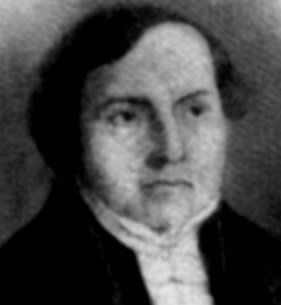
In "Jesus Given up by Pilate," Alexander Carson examines the moral and ethical failures of Pontius Pilate, emphasizing the theological significance of Jesus' innocence and Pilate's capitulation to public pressure. Carson argues that despite Pilate's recognition of Jesus' righteousness, his actions reflect a deeper moral culpability due to his failure to uphold justice as a magistrate. Drawing upon Matthew 27:24, where Pilate washes his hands to signify his innocence, Carson contends that such an act cannot absolve him of responsibility for condemning an innocent man. The passage highlights the challenge of political integrity faced by leaders, demonstrating how the fear of man often leads to the compromise of justice, a theme relevant to Reformed understandings of sin and morality. Ultimately, it serves as a cautionary tale about the necessity of fidelity to God’s justice over societal pressures.
Key Quotes
“No, no Pilate; this will not do. All the water in the ocean will not wash you from the blood of the Son of God.”
“Had you been a private man, this impressive way of showing that you did not participate with the murderers of Jesus would have been very proper.”
“Even absolute sovereigns are sometimes overawed by the importunity of a powerful faction…”
“What Pilate did is often repeated; Expediency not pure justice is in many things the foundation of the procedure of power.”
What does the Bible say about Pilate's role in Jesus' trial?
The Bible depicts Pilate as a reluctant participant in Jesus' condemnation, affirming Jesus' innocence yet yielding to the crowd's demands.
Matthew 27:24-26, John 19:12-16
How do we know Jesus was innocent?
The declaration of Jesus' innocence by Pilate highlights his sinlessness and the unjust nature of His trial.
Luke 23:4, John 18:38
Why is the trial of Jesus significant for Christians?
The trial of Jesus is pivotal as it highlights His unjust suffering and the fulfillment of God's redemptive plan.
Isaiah 53:5, Matthew 26:67-68
Pilate was fully convinced of the innocence of Jesus; he was alarmed by the pretensions of Jesus to be the Son of God; he was urged by his wife, from a dream, to have nothing to do in condemning him. But he was overborne by the importunity of the people. To satisfy his scruples of conscience, he marks his sense of the innocence of Jesus by a most impressive ceremony. "When Pilate saw that he could prevail nothing, but rather a tumult was made, he took water, and washed his hands before the multitude, saying, I am innocent of the blood of this just person: see ye to it." No, no; Pilate. This will not do. All the water in the ocean will not wash you from the blood of the Son of God. You condemned the guiltless, knowing him to be guiltless. Had you been a private man, this impressive way of showing that you did not participate with the murderers of Jesus would have been very proper. But it is not valid for your excuse as a magistrate. You should have done your duty.
But if this did not excuse Pilate, it added greatly to the guilt of the Jews. Hence the solemn testimony of a heathen—of a governor, that Jesus was innocent. This circumstance, then, affords the occasion of an aggravation of the guilt of the murderers of Jesus.
All men condemn Pilate, but there are but few who would not have acted just as Pilate acted. Pilate tried every means which he could think of in order to save Jesus. The Jews at last employed an argument that he could not overcome. "And from thenceforth Pilate sought to release him; but the Jews cried out, saying, If thou let this man go, thou art not Caesar's friend; whosoever maketh himself a king, speaketh against Caesar." Jesus had fully declared that his kingdom was not of this world, and, consequently, that his claims could not interfere with the power and right of Caesar. Pilate understood this; but he was overawed by the consideration that the complaint might ruin him with his master. What might be the consequence if Pilate had refused to give up the man whom the whole nation of the Jews accused as a competitor for a throne that now belonged to Caesar? Here was the trial of the integrity of Pilate, and he fell by the temptation. Who, without the faith of Abraham, would have stood?
We all know what Pilate should have done, but few would have done otherwise. Even absolute sovereigns are sometimes overawed by the importunity of a powerful faction, and, desiring to do justice, are compelled to listen to the voice of the mob. Even in free governments, rulers will sometimes bend to the clamour of a powerful religious faction, when they are far from wishing it to prosper. Our own country is blessed with the freest government on earth, yet there are seasons in which I would expect full justice neither from Whig nor Tory. All rulers occasionally sacrifice justice and impartiality to expediency and popular clamour. Lynch law is not with us legitimate, yet "wild justice" comes to the same amount; and the freaks of wild justice may be overlooked in our own country, as Lynch law is tolerated in another. Are there no instances in Ireland in which violence may be committed against the opposers of the popular religion, where justice becomes lame in the pursuit of the transgressors of law ?" And so Pilate, willing to content the people, released Barabbas unto them, and delivered Jesus, when he had scourged him, to be crucified." Are there no countries in modern times, in which jails are emptied of their most noxious inmates, in order to content the people? Are there no countries in which the protection ordained by law may not in some instances be with
held from the righteous, in order to content the people? What Pilate did is often repeated. Expediency, not pure justice, is in many things the foundation of the procedure of power.

Comments
Your comment has been submitted and is awaiting moderation. Once approved, it will appear on this page.
Be the first to comment!