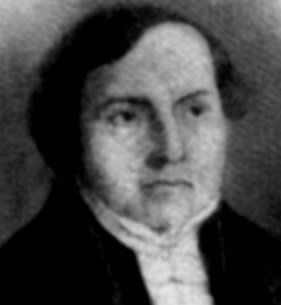
In "Appointment of a Watch at the Tomb of Jesus," Alexander Carson discusses the providential ordering of events surrounding the tomb of Christ, particularly focusing on the actions of the chief priests and Pharisees who ensured that the sepulchre was secured. Carson argues that their precautions, motivated by their awareness of Jesus' prediction of his resurrection, inadvertently serve to reinforce the credibility of that resurrection. He references Matthew 27:63-66, where the Pharisees request a guard at the tomb, highlighting that their actions confirm the truth of Jesus’ claims about his identity and mission. This illustrates a key Reformed doctrine concerning the sovereignty of God, whereby even the opposition to truth ultimately serves to affirm it. The significance of this narrative lies in the demonstration that a lack of belief does not arise from a lack of evidence, but rather from a hardened heart, emphasizing the importance of divine revelation and grace in understanding the truth of the resurrection.
Key Quotes
“By this means they confirm the evidence of his resurrection in the strongest manner.”
“It shows that it was not from want of evidence that they did not believe in Jesus.”
“The very efforts of the enemies of the truth are overruled to the elucidation and establishment of truth.”
“Truth shines the more brightly by being continually under friction.”
What does the Bible say about the resurrection of Jesus?
The resurrection of Jesus is central to Christian faith, proving His divinity and fulfilling His promise.
Moreover, the providential actions of those who opposed Jesus highlight God's sovereignty. Even their attempts to secure the tomb and prevent resurrection only serve to emphasize the truth of Christ's victory over death. Their efforts were ineffectual against the divine plan, illustrating that the resurrection stands as the ultimate proof of Christ's claims and the power of God to fulfill His promises. As recorded in Matthew 28, the empty tomb and the testimony of witnesses reaffirm that Jesus is alive, making the resurrection a critical element of the saving work of Christ for believers.
How do we know the resurrection of Jesus is true?
The truth of Jesus' resurrection is supported by the testimony of witnesses and historical evidence.
Furthermore, after His resurrection, Jesus appeared to many witnesses, including the disciples and over five hundred others at once, as documented in 1 Corinthians 15:6. This large group of witnesses provides a robust affirmation of the resurrection. The transformed lives of the apostles, who were willing to suffer and die for their belief in the resurrected Christ, serve to reinforce the truth of His resurrection. The overwhelming evidence, both biblical and historical, affirms that the resurrection is a pivotal reality in the Christian faith.
Why is the resurrection of Jesus important for Christians?
The resurrection is vital as it secures believers' hope of eternal life and the promise of redemption.
Additionally, the resurrection demonstrates the faithfulness of God in fulfilling His promises. By rising from the dead, Jesus validated every promise made by God regarding salvation and restoration. The resurrection serves as a guarantee that believers are justified and reconciled to God, as stated in Romans 4:25. Ultimately, the resurrection empowers believers to live in the newness of life, confident in the hope that they will one day be resurrected to eternal glory alongside Christ.
What a providential thing was it that his enemies took so much precaution with respect to Jesus in the tomb! By this means they confirm the evidence of his resurrection in the strongest manner. Had no sentinels of the enemy watched at his grave while he lay in the earth, it would have been with more plausibility alleged that he might have been carried off by the disciples. Was it not, then, of Providence that " the chief priests and Pharisees came together unto Pilate, saying, Sir, we remember that that deceiver said, while he was yet alive, After three days I will rise again. Command therefore that the sepulchre be made sure until the third day, lest his disciples come by night, and steal him away, and say unto the people, He is risen from the dead: so the last error shall be worse than the first." Here it is providential that the chief priests and Pharisees knew the prediction of Jesus with respect to his resurrection. Had they not known this, they would not have used this precaution. But Jesus might have communicated this prediction to his disciples, while his enemies might have been unacquainted with it. It was providential, then, that they had known it. It was providential that it occurred to them to make this precautionary use of their knowledge of this prediction. It was, indeed, obvious enough; but still, in the moment of victory, they might not have looked farther when their enemy was dead at their feet. It is providential that they themselves drew the right conclusion from the fact of his resurrection. They virtually admit that his resurrection would be proof of the truth of his mission from God. Here they condemn themselves. For though, after all their precautions, he rose from the dead, they did not then believe in him. This shows that it was not from want of evidence that they did not believe in Jesus. It shows that they estimated the evidence of resurrection in the case of Jesus as proof of his pretensions. They confess that evidence of a resurrection in the case of Jesus would be a worse thing for their cause than anything that had yet happened. The resurrection, then, in their estimation, must be accounted evidence of his Messiahship. Yet, when the resurrection was offered to them in evidence, they were as far from believing it as they were before it happened. The chief priests and Pharisees have here set to their seal, that the resurrection of Jesus would, in their estimation, be proof of his mission, and virtually recorded their own condemnation. "Pilate said unto them, Ye have a watch: go your way, make it as sure as ye can. So they went, and made the sepulchre sure, sealing the stone, and setting a watch." It was providential that Pilate went beyond their request. Instead of commanding the thing to be done by the soldiers, without any reference to the enemies of Christ, he gave orders to them also to manage the affair, and so no negligence nor collision can be suspected. The watch was at their disposal, and the tomb was carefully sealed.
Thus it is that the very efforts of the enemies of the truth are overruled to the elucidation and establishment of truth. This caution in watching against imposture is divinely appointed to exhibit evidence in its full force. Truth shines the more brightly by being continually under friction. Let the opposers of every part of the Divine will use all their efforts to keep it from using false evidence. In this they do it a favour. It stands safely only when it stands on its own basis.

Comments
Your comment has been submitted and is awaiting moderation. Once approved, it will appear on this page.
Be the first to comment!