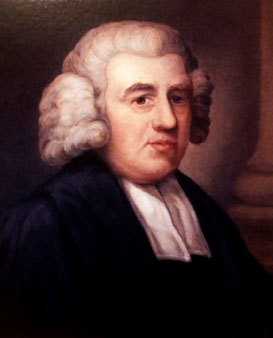
The article "The Government of the Tongue" by John Newton addresses the critical relationship between the state of the heart and the speech of an individual within the Christian faith. Newton argues that the mastery of one's tongue serves as a vital indicator of a genuine work of grace in a believer’s heart, positing that true faith will inherently restrain the tongue from habitual sin. He supports his argument with references to Scripture, notably James 1:26, which cautions that a failure to control one's speech indicates a vain religion, reiterating that the mouth reveals the heart's condition. The significant practical implication of this doctrine is that it compels believers to examine their speech as a reflection of their faith and to seek the grace of God for transformation, thus underscoring the Reformed principle of faith as evidenced by works.
Key Quotes
“Out of the abundance of the heart, the mouth speaks.”
“If anyone considers himself religious and yet does not keep a tight bridle on his tongue, he deceives himself, and his religion is worthless.”
“Where grace is in the heart, the tongue will be likewise bridled by the law of TRUTH.”
“Let us think of these things and entreat the Lord to cast the salt of his grace into the fountain of our hearts that the streams of our conversation may be wholesome.”
What does the Bible say about the tongue?
The Bible teaches that the tongue is a powerful instrument reflecting the condition of the heart, and its proper government is essential for true religion.
When believers are touched by saving grace, the expectation is that their tongue will be brought under control. The Apostle James presents a searching criterion for sincerity in faith: if a person claims to be religious yet fails in his speech, his profession is worthless (James 1:26). This reality stresses that true Christian character is evidenced by the way one speaks about God, oneself, and others; grace is expected to regulate the tongue and promote edifying discourse that aligns with the principles of truth, love, and purity.
James 1:26, Matthew 12:34
Why is controlling the tongue important for Christians?
Controlling the tongue is crucial as it reflects one’s relationship with God and verifies the authenticity of one's faith.
Moreover, the tongue has a profound impact on our relationships and our witness to the world. Ephesians 4:29 urges believers to let no unwholesome talk come from their mouths but only what is helpful for building others up. This calls Christians to engage in discourse that fosters encouragement and truth rather than quarrels and strife. In a world where deception and harshness abound, the ability to communicate with grace and truth is a powerful testimony to the transformative power of Christ in one’s life.
James 1:26, Ephesians 4:29
How do we know if someone is a true Christian?
One key evidence of true Christianity is the ability to govern one's tongue according to the principles of grace and truth.
Ultimately, the inability to control one's speech despite a show of religion may suggest an unchanged heart, as real transformation will inevitably affect one's speech. Thus, the regulation of the tongue becomes a distinguishing characteristic of those who are truly in Christ, serving as a practical, observable marker of genuine faith and commitment to His ways.
James 1:26, Ephesians 4:29
by John Newton
There is, perhaps, no one test or proof of the reality of a work of grace upon the heart, more simple, clear, and infallible—than the general tenor of our language and conversation; for our Lord's aphorism is of certain and universal application, that, "out of the abundance of the heart—the mouth speaks." To the same purpose, the apostle James proposes to all who make profession of the gospel, a searching criterion of their sincerity, when he says, "If anyone considers himself religious and yet does not keep a tight bridle on his tongue, he deceives himself and his religion is worthless." This passage should not be thought a hard saying, for it stands in the Bible; but, because it stands in the Bible, and forms a part of the rule by which the characters and states of all men will be finally determined, there is reason to fear that it will be found a hard saying at last, by too many who name the name of Christ. A few thoughts upon this important subject, "the government of the tongue" can never be unseasonable.
It is not the restraint of the heart, which the apostle requires. He knew that, though it is our duty to watch against the first rising motions of evil within, and to be humbled for them—that it is not in our power wholly to prevent them. But he supposes that the grace of God in a true believer will check the evils of the heart, and prevent them from breaking out by the tongue.
Nor is the restraint of the tongue to be taken so strictly, as if a true believer was never liable to speak unadvisedly. Job and Jeremiah cursed the day of their birth; and Peter not only denied his Lord—but denied him with oaths and execrations. I allow that it is possible for the best of men, in an unguarded hour, and through the pressure of some sudden and violent temptation or provocation, may occasionally act or speak unsuitably to their habitual gracious character. But I think the apostle must mean thus much at least, that, when saving grace is in the heart—it will so regulate and control the tongue, that it shall not customarily sin; and that, without some evidence of such a regulation, we are not bound to acknowledge any man to be a Christian, however splendid his profession may be in other respects. Nay, I think we may further say of this test, what the magicians of Egypt acknowledged upon another occasion, "This is the finger of God!" This is, perhaps, the only outward mark of a believer, which the hypocrite cannot imitate. In many things he may seem to be religious; in some, perhaps, he may appear to go beyond the real Christian; but, because his heart is unchanged—he cannot bridle his tongue.
The man who seems, and who desires to be thought religious, may have many qualifications to support his claim, which may be valuable and commendable in themselves, and yet are of no avail to the possessor, if he bridles not his tongue. He may have much religious knowledge; I mean, of such knowledge as may be acquired in the use of ordinary means. He may have a warm zeal, and may contend earnestly (in his way) for the faith once delivered to the saints. He may be able to talk well on spiritual subjects, to pray with freedom and fervency. Yes, he may even be a preacher, and conduct himself to the satisfaction of sincere Christians. Or he may be a fair trader, a good neighbor, a kind master, an affectionate husband or parent, be free from gross vices, and attend constantly upon the ordinances. Will not such a man seem to himself, and probably be esteemed by others—to be religious? Yet if, with all these good properties, he does not bridle his tongue—he may be said to lack the one thing needful. He deceives his own heart! His religion is vain!
But what are we to understand by bridling the tongue? The expression, I think, will be sufficiently explained by considering how the grace of God will necessarily influence and govern the tongues of those who partake of it, in what they say when they are led to speak of God, of themselves, and of or to their fellow-creatures.
Having seen a glimpse of the holiness and majesty, the glory and the grace, of the great God with whom they have to do—their hearts are impressed with reverence, and therefore there is a sobriety and decorum in their language. They cannot speak lightly of God, or of his ways. One would suppose that no person, who even but seems to be religious, can directly and expressly profane his glorious name. But there is a careless and flippant manner of speaking of the great God, which is very disgusting and very suspicious. Likewise, the hearts of believers teach their mouths to speak honorably of God under all their afflictions and crosses, acknowledging the wisdom and the mercy of his dispensations; and, if an impatient word escapes them, it grieves and humbles them, as quite unfitting their situation as His creatures, and especially as sinful creatures, who have always reason to acknowledge, that it is of the Lord's mercy, that they are not wholly consumed.
When they speak of themselves, their tongues are bridled, and restrained from boasting. They speak as befits poor, unworthy creatures—because they feel themselves to be such. In what they say, either of their comforts or of their sorrows, sincerity dictates a simplicity which cannot be easily counterfeited. While they, whose tongues are not thus bridled, often betray themselves by a lack of sincerity, even when they are lamenting their sinfulness, and the vileness of their hearts.
In what they say of or to others, the tongues of believers are bridled by a heart felt regard to truth, love and purity.
Where grace is in the heart, the tongue will be bridled by the law of TRUTH. It is grievous to see how nearly and readily some professors of religion will venture upon the borders of a lie; either to defend their own conduct, to avoid some inconvenience, to procure a supposed advantage, or sometimes merely to embellish a story. Admitting the possibility of a sincere person being surprised into the declaration of a lie—yet, where instances of this kind are frequent, I hardly know a fouler blot in profession, or which can give a more just warrant to fear that such professors know nothing aright either of God or themselves. The Lord is a God of truth; and he teaches his servants to hate and abhor lying, and to speak the truth from their hearts. I may add likewise, with regard to promises—that, though the law of the land requires, on many occasions, oaths and bonds to secure their performance, that person, whose word may not be safely depended upon without either bond or oath, scarcely deserves the name of a Christian!
Where grace is in the heart, the tongue will be likewise bridled by the law of LOVE. If we love our neighbor, can we lightly speak evil of him, magnify his failings, or use provoking or insulting language? Love thinks no evil—but bears, hopes and endures. Love acts by the golden rule, to "Do unto others—what you would like them to do unto you." Those who are under the influence of Christian love, will be gentle and compassionate, disposed to make the most favorable allowances, and of course their tongues will be restrained from the language of malevolence, harsh censure, and slander—which are as familiar to us as our mother tongue, until we are made partakers of the grace of God.
The tongue is also bridled by a regard to PURITY, agreeable to the precepts, "Do not let any unwholesome talk come out of your mouths, but only what is helpful for building others up according to their needs, that it may benefit those who listen." "Nor should there be obscenity, foolish talk or coarse joking, which are out of place, but rather thanksgiving." Ephesians 4:29, 5:4. Grace has taught believers to hate these things; how then can their tongues speak of them? There are false professors, indeed, who can suit their language to their company. When with the people of God—they call talk very seriously. But at other times, they are well pleased to join in vain, frothy, and evil conversation. But this double-mindedness is of itself sufficient to discredit all their pretenses to a pious character.
Upon the whole, though perfection is not to be expected, though true believers may, on some occasions, speak rashly, and have great cause for humiliation, watchfulness, and prayer, with respect to the government of their tongues; yet I think the Scripture, and particularly the apostle James, in the passage I have mentioned, authorizes this conclusion. That, if the tongue is frequently without a bridle; if it may be observed, that a person often speaks lightly of God and of divine things, proudly of himself, harshly of his fellow-creatures; if it can be truly affirmed, that he is a liar, a talebearer, a railer, a flatterer, or a jester—then, whatever other good qualities he may seem to possess—his speech betrays him! He deceives himself, his religion is vain. Let us think of these things, and entreat the Lord to cast the salt of his grace into the fountain of our hearts, that the streams of our conversation may be wholesome.

Comments
Your comment has been submitted and is awaiting moderation. Once approved, it will appear on this page.
Be the first to comment!