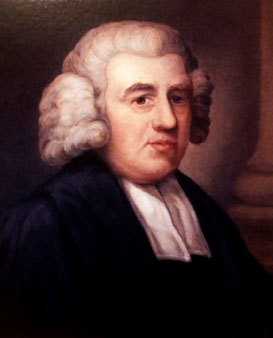
John Newton's article, "Assurance of Salvation," delves into the theological concept of assurance within the framework of Reformed doctrine. Newton argues that true assurance is a natural extension of genuine faith, stating that while faith may be as small as a mustard seed, it must grow robustly to yield strong assurance of salvation. He references several Scripture passages—such as Hebrews 7:25, which affirms Christ's ability to save completely, and John 6:37, where Jesus promises not to cast out any who come to Him—to illustrate that God's promises are reliable. Newton emphasizes the importance of recognizing one's sinfulness and the necessity of relying solely on Jesus' atoning work rather than personal merit, warning against the dangers of unbelief and pride that obstruct assurance. The practical significance of this teaching is profound: believers are called to live in light of their salvation while remaining humble and conscious of their total dependence on Christ, which fosters a deeper relationship with God and a resilient faith amid trials.
Key Quotes
“Assurance is the essence of faith that is, it springs from true faith and can grow upon no other root.”
“Unbelief is the primary cause of all our inquietude from the moment that our hearts are drawn to seek salvation by Jesus.”
“Strong faith can trust God in the dark and say with Job, 'Though he slays me, yet will I trust in him.'”
“A true believer will doubtless repent and pray and forsake his former evil ways—but he is not accepted upon the account of what he does or feels—but because Jesus lived and died and rose and reigns on the behalf of sinners.”
What does the Bible say about assurance of salvation?
The Bible emphasizes that assurance of salvation is linked to true faith in Jesus Christ, highlighting God's ability to save those who trust in Him.
Hebrews 10:22, John 6:37, Romans 8:16
How do we know assurance of salvation is true?
Assurance of salvation is affirmed through scripture, through the inward testimony of the Holy Spirit, and through the believer's faith and fruitfulness.
Romans 8:38-39, Galatians 5:22-23
Why is belief in Christ essential for assurance of salvation?
Believing in Christ is fundamental to receiving assurance of salvation, as He is the only sufficient Savior for sinners.
1 Timothy 2:5, John 14:6
July 11, 1795
We may easily conceive of a tree without fruit—but the idea of fruit is naturally connected with that of some tree which produces it. In this sense, assurance is the essence of faith; that is—it springs from true faith, and can grow upon no other root. Faith likewise is the measure of assurance. While faith is weak, (our Lord compares it, in its first principle, to a grain of mustard seed,) assurance cannot be strong.
Jesus Christ the Lord is a complete all-sufficient Savior. His invitation to the weary and heavy-laden is general, without exception, condition, or limitation. He has said, him who comes unto me, I will never cast out. God not only permits—but commands us to believe in the Son of his love. The apostle affirms that he is able to save to the uttermost, all who come unto God by him. When Moses raised the brazen serpent in the wilderness, the direction to the wounded Israelites was very short and simple—it was only, Look, and live! Thus the gospel addresses the sinner, Only believe, and you shall be saved.
Why then does not every sinner who is awakened to a sense of his guilt, danger, and helplessness; and whose desires are drawn towards the Savior—believe with full confidence, even upon his first application for mercy? Is not the remedy fully adequate to the malady? Is not the blood of Jesus able to cleanse from all sin? Is not the Word of the God of truth worthy of entire credit? Yet with such a Savior exhibited before the eyes of his mind, and with such promises sounding in his ears—he continues to hesitate and fluctuate between hope and fear. Could he rely as firmly on the Word of God, as he can on the word of a man, whom, he thinks, means what he says, and is able to make good his promises—he would immediately be filled with joy and peace in believing. But experience and observation may convince us, that, however rational and easy this assurance may seem in theory, it is ordinarily unattainable in practice—without passing through a train of previous exercises and conflicts.
It is true, young converts are often favored with comfortable impressions, which lead them to hope that their doubts and difficulties are already ended—when perhaps they are but just entering upon their warfare. They are brought, as it were, into a new world; a strong and lively sense of divine things engrosses their attention; the world and its fascinations sink into nothing in their esteem; the evil propensities which discourage them are overpowered for a season, and they hope they are quite subdued, and will trouble them no more. Their love, gratitude, praise, and admiration, are in vigorous exercise.
An aged, experienced Christian may recollect, with a pleasing regret, many sweet sensations of this kind, in the early stages of his profession, which he cannot recall. But he now knows that the strong confidence he felt in these golden hours was not the assurance of faith—it was temporary and transient; it was founded upon what we call a good frame. Though his comforts were strong, his faith was weak—for, when the good frame subsided, his fears returned, his hope declined, and he was at his wits' end. Then, perhaps, he wondered at his own presumption, for daring to hope that such a creature as himself could have any right to the privileges of a believer. And if, in the warmth of his heart, he had spoken to others of what God had done for his soul, he afterwards charged himself with being a hypocrite, and a false witness both to God and man. Thus, when the Israelites saw the Egyptians, (who had pursued and terrified them,) cast up dead upon the shore of the Red Sea, they praised the Lord, and believed. They were little aware of the wilderness they had to pass through, and the trials they were to meet with—before they could enter the promised land!
But strong faith, and the effect of it, an abiding persuasion of our acceptance in the Beloved, and of our final perseverance in grace—are not necessarily connected with sensible comfort. A strong faith can trust God in the dark, and say with Job, "Though he slays me—yet will I trust in him." Yet it is not to be maintained without a diligent use of the instituted means of grace, and a conscientious attention to the precepts of the gospel. For mere notions of truth, destitute of power—will not keep the heart in peace. But this power depends upon the influence of the Holy Spirit; and if he is grieved by the willful commission of sin, or the willful neglect of the precepts—he hides his face, suspends his influence, and then confidence must proportionable decline, until he is pleased to return and revive it.
There are likewise bodily disorders, which, by depressing the physical spirits, darken and discolor the medium of our perceptions. If the enemy is permitted to take advantage of these seasons, he can pour in a flood of temptations, sufficient to fill the most assured believer with terror and dismay. But, ordinarily, those who endeavor to walk closely and conscientiously with God, attain, in due time, an assurance of hope to the end, which is not easily nor often shaken, though it is not absolutely perfect, nor can be, while so much sin and imperfection remain in us.
If it be inquired—WHY we cannot attain to this state of composure at first, since the object of faith and the promises of God are always the same? Several reasons may be assigned.
Unbelief is the primary cause of all our inquietude, from the moment that our hearts are drawn to seek salvation by Jesus. This inability to take God at his Word, should not be merely lamented as an infirmity—but watched, and prayed, and fought against as a great sin. A great sin indeed it is; the very root of our apostasy, from which every other sin proceeds. Unbelief often deceives us under the guise of humility, as though it would be presumption, in such sinners as we are, to believe the declarations of the God of truth. Many serious people, who are burdened with a sense of other sins, leave this radical evil, unbelief, out of their list of sin. They rather indulge it, and think they ought not to believe, until they can find a warrant from marks and evidences within themselves. But this is an affront to the wisdom and goodness of God, who points out to us the Son of his love—as our wisdom, righteousness, sanctification, and redemption, without any regard to what we have been, or to what we are, excepting that broken and contrite spirit—which only himself can create in us. And this broken spirit, though unbelief perverts it to our discouragement, is the very temper in which the Lord delights, and a surer evidence of true grace, than those which we are apt to contrive for ourselves. It is written, He who believes not the record which God has given of his Son, makes him a liar. Why do we not startle with horror—at the workings of unbelief, as we should do at a suggestion to commit murder, or the grossest outward enormity?
Again, our natural pride is a great hindrance to true faith. If we acknowledge ourselves to be sinners, and are sensible of our need of mercy—we are not easily brought to see that we are so totally depraved, so exceedingly vile, so utterly destitute of all good, as the Word of God describes us to be. A secret dependence upon our prayers, tears, resolutions, repentance and endeavors, prevents us from looking solely and simply to the Savior, so as to ground our whole hope for acceptance upon his obedience unto death, and his whole mediation.
A true believer will doubtless repent and pray, and forsake his former evil ways—but he is not accepted upon the account of what he does or feels—but because Jesus lived and died, and rose and reigns on the behalf of sinners, and because he is enabled by grace to trust in him for salvation.
Further, pride leads us into that spirit of vain reasoning, which is contrary to the simplicity of living by faith. Until this is renounced, until we become in some measure like little children, and receive the doctrines of Scripture implicitly, because they are from God, requiring no further proof of any point than a Thus says the Lord—we cannot be established in our hope. Naaman was very desirous to be healed of his leprosy; but, if the Lord had not mercifully overruled his prejudices, he would have returned a leper—just as he came. Before he went to Elisha, he had considered in his own mind, how the prophet ought to treat him; and not having the immediate attention paid to him that he expected, he was upon the point of going away; for his reason told him, that, if washing could effect his cure, the waters of Syria were as good as those of Jordan. "It seems," to use the words of a late ingenious writer, "that the gospel is too good to be believed, and too plain to be understood, until our pride is abased."
It is difficult to determine, by the eye, the precise moment of day-break, but the light advances from early dawn, and the sun arises at the appointed hour. Such is the progress of divine light in the mind—the first streaks of the dawn are seldom perceived; but, by degrees, objects, until then unthought of, are revealed. The evil of sin, the danger of the soul, the reality and importance of eternal things—are apprehended, and a hope of mercy through a Savior is discovered, which prevents the sinner from sinking into absolute despair. But for a time—all is indistinct and confused.
In this state of mind, many things are anxiously sought for as pre-requisites to believing—but they are sought in vain, for it is only by believing that they can be obtained. But the light increases, the sun arises, the glory of God in the person of Jesus Christ shines in upon the soul. As the sun can only be seen by its own light, and diffuses that light by which other objects are clearly perceived; so Christ crucified is the sun in the system of revealed truth; and the right knowledge of the doctrine of his cross satisfies the inquiring mind, proves itself to be the one thing needful, and the only thing necessary to silence the objections of unbelief and pride, and to afford a sure ground for solid and abiding hope.
Once more—we cannot be safely trusted with assurance—until we have that knowledge of the evil and deceitfulness of our hearts, which can be acquired only by painful, repeated experience. The young convert, in his brighter hours, when his heart is full of joys, and he thinks his mountain stands too strong to be removed, may be compared to a ship with much sail spread, and but little ballast. She goes on well while the weather is fair—but is not prepared for a storm. When Peter said, "You have the words of eternal life—we believe and are sure that you are the Christ," and when he protested, "Though all men should forsake you—yet will not I," he undoubtedly spoke honestly; but the event showed that he did not know himself! His resolution was soon and sorely shaken in the hall of the high-priest, so that he denied his Lord with oaths and imprecations. He was left to fall—that he might learn he did not stand by his own strength.
The parable of the prodigal may be accommodated for an illustration of this point. The Scripture says, "Then shall you know—if you follow on to know the Lord." But we often want to know at first, and at once; and suppose— If I was but sure that I am right, and accepted in the Beloved, I could go on with more spirit and success. Many rejoice greatly when they seem to obtain this desire—but their joy is short-lived. They soon resemble the prodigal; they become vain, rash, and careless; they forsake their Father's house; their attention to the means of grace is slackened; they venture upon smaller deviations from the prescribed rule, which, in time, lead them to greater. Thus their stock of grace and comfort is quickly exhausted. They begin to be in need; and, after having been feasted with the bread of life, are reduced to feed upon such husks as the world can afford them. Happy, if at length they are brought to their right minds!
But, oh, with what pungent shame and humiliation do they come back to their Father! He, indeed, is always ready to receive and forgive backsliders; but surely they cannot easily forgive themselves for their ingratitude and folly! When he has healed their broken bones, and restored peace to their souls, it may be expected that they will walk softly and humbly to the end of their days, and not open their mouths any more, either to boast, or to censure, or to complain!
For, a man who possesses a Scriptural and well-grounded assurance in himself—will evidence it to others by suitable fruits. He will be meek, sincere and gentle in his conduct before men—because he is humbled and abased before God. Because he lives upon much God's forgiveness to himself—he will be ready to forgive others. The prospect of that blessed hope assuredly laid up for him in heaven—will make him patient under all his appointed trials in the present life, wean him from an attachment to the world, and preserve him from being much affected either by the smiles or the frowns of mortals. To hear people talk much of their 'assurance', and that they are freed from all doubts and fears—while they habitually indulge proud, angry, resentful, discontented tempers, or while they are eagerly grasping after the world, like those who seek their whole portion in it—is painful and disgusting to a serious Christian! Let us pity them, and pray for them; for we have great reason to fear that they do not understand what they say, nor what they affirm!
"What is man, that he could be pure, or one born of woman, that he could be righteous?" Job 15:14
Dear Sir,
We hear much in the present day of the dignity of human nature. And it is allowed that man was an excellent creature as he came out of the hands of God; but if we consider this question with a view to fallen man, as depraved by sin, how can we but join with the Psalmist in wonder that the great God should make any account of him?
Fallen as man is from his original state of happiness and holiness, his natural faculties and abilities afford sufficient evidence that the hand which made him is Divine. He is capable of great things. His understanding, will, affections, imagination, and memory—are noble and amazing powers. But view him in a moral light, as an intelligent being, incessantly dependent upon God, accountable to him, and appointed by him to a state of existence in an unchangeable world: considered in this relation—man is a monster, a vile, base, stupid, obstinate, and mischievous creature; no words can fully describe him. Man, with all his boasted understanding and attainments, is a fool: so long as he is destitute of the saving grace of God, his conduct, as to his most important concerns, is more absurd and inconsistent than that of the most contemptible idiot; with respect to his affections and pursuits, he is degraded far below the beasts; and for the malignity and wickedness of his will, can be compared to nothing so properly as to the devil.
The question here is not concerning this or that man, a Nero or a Heliogabalus, but concerning human nature, the whole race of mankind, the few excepted who are born of God. There is indeed a difference among men, but it is owing to the restraints of Divine Providence, without which earth would be the very image of hell. A wolf or a lion, while chained, cannot do so much mischief as if they were loose, but the nature is the same in the whole species. Education and personal interest, fear and shame, human laws, and the secret power of God over the mind, combine to form many characters that are extremely decent and respectable; and even the most abandoned are under a restraint which prevents them from manifesting a thousandth part of the wickedness which is in their hearts. But the heart itself is universally deceitful, and desperately wicked.
Man is a FOOL. "Professing themselves to be wise, they became fools." Romans 1:22. He can indeed measure the earth, and almost count the stars; he abounds in arts and inventions, in science and policy—and shall he then be called a fool? The ancient Heathens, the inhabitants of Egypt, Greece, and Rome, were eminent for this kind of wisdom. They are to this day studied as models by those who aim to excel in history, poetry, painting, architecture, and other exertions of human genius, which are suited to polish the manners without improving the heart. But their most admired philosophers, legislators, logicians, orators, and artists, were as destitute as infants or idiots of that knowledge which alone deserves the name of true wisdom. Professing themselves to be wise, they became fools. Ignorant and regardless of God, yet conscious of their weakness, and of their dependence upon a Power above their own, and stimulated by an inward principle of fear, of which they knew neither the origin nor right application, they worshiped the creature instead of the Creator, yes, placed their trust in stocks and stones, in the works of men's hands, in non-entities and chimeras. An acquaintance with their mythology, or system of religious fables, passes with us for a considerable branch of learning, because it is drawn from ancient books written in languages not known to the vulgar; but in point of certainty or truth, we might receive as much satisfaction from a collection of dreams, or from the ravings of lunatics.
If, therefore, we admit these admired sages as a tolerable specimen of mankind, must we not confess that man, in his best estate, while uninstructed by the Spirit of God, is a fool? But are we wiser than they? Not in the least, until the grace of God makes us so. Our superior advantages only show our folly in a more striking light. Why do we account any people foolish? A fool has no sound judgment; he is governed wholly by appearances, and would prefer a fine coat to thedeed to a large estate. He pays no regard to consequences: fools have sometimes hurt or killed their best friends, and thought they did no harm. A fool cannot reason, therefore arguments are lost upon him. At one time, if tied with a straw, he dares not stir; at another time, perhaps, he can hardly be persuaded to move, though the house were on fire. Are these the characteristics of a fool? Then there is no fool like the sinner, who prefers the toys of earth to the happiness of heaven; who is held in bondage by the foolish customs of the world; and is more afraid of the breath of man, than of the wrath of God.
Again: Man in his natural state is a BEAST, yes, below the beasts which perish. In two things he strongly resembles them; in looking no higher than to sensual gratifications, and in that selfishness of spirit which prompts him to propose himself and his own interest as his proper and highest end. But in many respects he sinks sadly beneath them. Unnatural lusts, and the lack of natural affection towards their offspring, are abominations not to be found among the brute creation. What shall we say of mothers destroying their children with their own hands, or of the horrid act of self-murder! Men are worse than beasts likewise in their obstinacy; they will not be warned. If a beast escapes from a trap, he will be cautious how he goes near it again, and in vain is the net spread in the sight of any bird. But man, though he be often reproved, hardens his neck; he rushes upon his ruin with his eyes open, and can defy God to his face, and dare damnation.
Once more: Let us observe how man resembles the DEVIL. There are spiritual sins, and from these in their height the Scripture teaches us to judge of Satan's character. Every feature in this description is strong in man; so that what our Lord said to the Jews is of general application, "You are of your father the devil, and the lusts of your father you will do." Man resembles Satan in pride: this stupid, wicked creature values himself upon his wisdom, power, and virtue, and will talk of being saved by his good works; though if be can, Satan himself need not despair. He resembles him in malice; and this diabolical disposition often proceeds to murder, and would daily, if the Lord did not restrain it. He derives from Satan the hateful spirit of envy: he is often tormented beyond expression, by beholding the prosperity of his neighbors; and proportionably pleased with their calamities, though he gains no other advantage from them than the gratification of this rancorous principle.
He bears the image likewise of Satan in his cruelty. This evil is bound up in the heart even of a child. A disposition to take pleasure in giving pain to others, appears very early. Children, if left to themselves, soon feel a gratification in torturing insects and animals. What misery does the wanton cruelty of men inflict upon cocks, dogs, bulls, bears, and other creatures, which they seem to think were formed for no other end than to feast their savage spirits with their torments! If we form our judgment of men, when they seem most pleased, and have neither anger nor resentment to plead in their excuse, it is too evident, even from the nature of their amusements, whose they are and whom they serve. And they are the worst of enemies to each other. Think of the horrors of war, the rage of duelists, of the murders and assassinations with which the world is filled, and then say, "Lord, what is man!"
Further, if deceit and treachery belong to Satan's character, then surely man resembles him. Is not the universal observation, and complaint of all ages, an affecting comment upon the Prophet's words, "Trust not in a friend, put no confidence in a guide, keep the doors of your mouth from her that lies in your bosom, for they hunt every man his brother with a net?" How many have at this moment cause to say, with David, "The words of his mouth were smoother than butter, but war was in his heart; his words were softer than oil, yet were they drawn swords!"
Again: Like Satan, men are eager in TEMPTING others to sin; not content to damn themselves, they employ all their arts and influence to draw as many as they can with them into the same destruction.
Lastly: In direct opposition to God and goodness, in contemptuous enmity to the Gospel of his grace, and a bitter persecuting spirit against those who profess it, Satan himself can hardly exceed them. Herein, indeed, they are his agents and willing servants; and because the blessed God is himself out of their reach, they labor to show their despite to him in the people of his people.
I have drawn but a sketch, a few outlines, of the picture of fallen man. To give an exact copy of him, to charge every feature with its full aggravation of horror, and to paint him as he is—would be impossible. Enough has been observed to illustrate the propriety of the exclamation, "Lord, what is man!" Perhaps some of my readers may attempt to deny or extenuate the charge, and may plead, that I have not been describing mankind, but some of the most abandoned of the species, who hardly deserve the name of men. But I have already provided against this exception. It is human nature I describe; and the vilest and most profligate individuals cannot sin beyond the powers and limits of that nature which they possess in common with the more mild and moderate. Though there may be a difference in the fruitfulness of trees, yet the production of one apple decides the nature of the tree upon which it grew, as certainly as if it had produced a thousand: so in the present case, should it be allowed that these enormities cannot be found in all people, it would be a sufficient confirmation of what I have advanced, if they can be found in any; unless it could be likewise proved, that those who appeared more wicked than others, were of a different species from the rest.
But I need not make this concession; they must be insensible indeed who do not feet something within them so very contrary to our common notions of goodness, as would perhaps make them rather submit to be banished from human society, than to be compelled to disclose to their fellow-creatures every thought and desire which arises in their hearts.
Many useful reflections may be drawn from this unpleasant subject. We cannot at present conceive how much we owe to the guardian care of Divine Providence, that any of us are preserved in peace and safety for a single day in such a world as this. Live where we will, we have those near us, who, both by nature, and by the power which Satan has over them, are capable of the most atrocious crimes. But He whom they know not, restrains them, so that they cannot do the things that they would. When he suspends the restraint, they act immediately; then we hear of murders, rapes, and outrages. But did not the Lord reign with a strong hand, such evils would be perpetrated every hour, and no one would be safe in the house or in the field. God's ordinance of civil government is one great means of preserving the peace of society; but this is in many cases inadequate. The heart of man, when fully bent upon evil, will not be intimidated or stopped by gibbets and racks.
How wonderful is the love of God in giving his Son to die for such wretches! And how strong and absolute is the necessity of a new birth, if we would be happy! Can beasts and devils inherit the kingdom of God? The due consideration of this subject is likewise needful, to preserve believers in an humble, thankful, watchful frame of spirit. Such we once were, and such, with respect to the natural principle remaining in us, which the Apostle calls the flesh, or the old man, we still are! The propensities of fallen nature are not eradicated in the children of God, though by grace they are made partakers of a new principle, which enables them, in the Lord's strength, to resist and mortify the body of sin, so that it cannot reign in them. Yet they are liable to sad surprisals; and the histories of Aaron, David, Solomon, and Peter, are left on record, to teach us what evil is latent in the hearts of the best men, and what they are capable of doing if left but a little to themselves. "Lord, what is man!"
The nature of fallen man agrees to the description the Apostle has given us of his boasted wisdom: it is earthly, sensual, devilish. I have attempted some general delineation of it in the preceding portion; but the height of its malignity cannot be properly estimated, unless we consider its actings with respect to the light of the Gospel. The Jews were extremely wicked at the time of our Lord's appearance upon earth; yet he said of them, "If I had not come and spoken to them, they had not had sin:" that is, as the light and power of his ministry deprived them of all excuse for continuing in sin, so it proved the occasion of showing their wickedness in the most aggravated manner; and all their other sins were but faint proofs of the true state of their hearts, if compared with the discovery they made of themselves, by their pertinacious opposition to him.
In this sense, what the Apostle has observed of the Law of Moses, may be applied to the Gospel of Christ: it entered, that sin might abound. If we would estimate the utmost extent of human depravity, and the strongest effects it is capable of producing, we must select our instances from the conduct of those to whom the Gospel is known. The Indians, who roast their enemies alive, give sufficient proof that man is barbarous to his own kind; which may likewise be easily demonstrated without going so far from home: but the preaching of the Gospel discovers the enmity of the heart against God, in ways and degrees of which unenlightened savages and heathens are not capable.
By the Gospel, I now mean not merely the doctrine of salvation as it lies in the holy Scripture, but that public and authoritative dispensation of this doctrine, which the Lord Jesus Christ has committed to his true ministers; who, having been themselves, by the power of his grace, brought out of darkness into marvelous light, are by His Holy Spirit qualified and sent forth to declare to their fellow-sinners what they have seen, and felt, and tasted, of the word of life. Their commission is, to exalt the Lord alone, to stain the pride of all human glory. They are to set forth the evil and demerit of sin; the strictness, spirituality, and sanction of the law of God; the total apostasy of mankind; and from these premises to demonstrate the utter impossibility of a sinner's escaping condemnation by any works or endeavors of his own; and then to proclaim a full and free salvation from sin and wrath, by faith in the name, blood, obedience, and mediation of God manifest in the flesh; together with a denunciation of eternal misery to all who shall finally reject the testimony which God has given of his Son.
Though these several branches of the will of God respecting sinners, and other truths in connection with them, are plainly revealed and repeatedly inculcated in the Bible; and though the Bible is to be found in almost every house; yet we see, in fact, it is a sealed book; little read, little understood, and therefore but little regarded, except in those places which the Lord is pleased to favor with ministers who can confirm them from their own experience; and who, by a sense of his constraining love, and the worth of souls, are animated to make the faithful discharge of their ministry the one great business of their lives: who aim not to possess the wealth, but to promote the welfare of their hearers; are equally regardless of the frowns or smiles of the world; and count not their lives dear, so that they may be wise and successful in winning souls to Christ.
When the Gospel, in this sense of the word, first comes to a place, though the people are going on in sin, they may be said to sin ignorantly; they have not yet been warned of their danger. Some are drinking down iniquity like water: others more soberly burying themselves alive in the cares and business of the world: others find a little time for what they call religious duties, which they persevere in, though they are utter strangers to the nature or the pleasure of spiritual worship; partly, as thereby they think to bargain with God, and to make amends for such sins as they do not choose to relinquish; and partly because it gratifies their pride, and affords them (as they think) some ground for saying, "God, I thank you I am not as other men."
The preached Gospel declares the vanity and danger of these several ways which sinners choose to walk in. It declares, and demonstrates, that, different as they appear from each other, they are equally remote from the path of safety and peace, and all tend to the same point, the destruction of those who persist in them. At the same time it provides against that despair into which men would be otherwise plunged, when convinced of their sins, by revealing the immense love of God, the glory and grace of Christ, and inviting all to come to him, that they may obtain pardon, life, and happiness. In a word, the gospel shows the pit of hell under men's feet, and opens the gate and points out the way to heaven. Let us now briefly observe the effects it produces in those who do not receive it as the power of God unto salvation. These effects are various, as tempers and circumstances vary; but they may all lead us to adopt the Psalmist's exclamation, "Lord, what is man!"
Many, who have heard the Gospel once or a few times, will hear it no more; it awakens their scorn, their hatred, and rage. They pour contempt upon the wisdom of God, despise his goodness, defy His power; and their very looks express the spirit of the rebellious Jews, who told the prophet Jeremiah to his face, "As to the word which you have spoken to us in the name of the Lord, we will not hearken to you at all." Those ministers who preach it, are accounted as men who turn the world upside down; and the people who receive it, fools or hypocrites. The word of the Lord is a burden to them, and they hate it with a total hatred. How strongly is the disposition of the natural heart manifested by the confusion which often takes place in families, where the Lord is pleased to awaken one or two in a house, while the rest remain in their sins! To profess, or even to be suspected of, an attachment to the Gospel of Christ, is frequently considered and treated as the worst of crimes, sufficient to cancel the strongest obligations of family or friendship. Parents, upon such a provocation, will hate their children, and children ridicule their parents: many find, agreeable to our Lord's declaration, that from the time a sense of his love engaged their hearts to love him again, their worst foes have been those of their own household; and that those who expressed the greatest love and tenderness for them before their conversion, can now hardly bear to see them.
The bulk of a people will perhaps continue to hear, at least now and then; and to those who do, the Spirit of God usually, at one time or other, bears testimony to the truth: their consciences are struck, and for a season they believe and tremble. But what is the consequence? No man who has taken poison seeks more earnestly or speedily for an antidote, than those do for something to stifle and smother their convictions. They run to company, to drink, to anything, for relief against the unwelcome intrusion of serious thoughts; and when they succeed, and recover their former indifference, they rejoice as if they had escaped some great danger. The next step is, to ridicule their own convictions; and next to that, if they see any of their acquaintance under the like impressions, to use every art, and strain every nerve, that they may render them as obstinate as themselves. For this purpose, they watch as a fowler for the bird; flatter or revile, tempt or threaten: and if they can prevail, and are the occasion of hardening any in their sins, they rejoice and triumph, as if they accounted it their interest and their glory, to ruin the souls of their fellow-creatures.
By frequent hearing, they receive more light. They are compelled to know, whether they will or not, that the wrath of God hangs over the children of disobedience. They carry a sting in their consciences, and at times feel themselves most miserable, and cannot but wish they had never been born, or that they had been dogs or toads, rather than rational creatures. Yet they harden themselves still more. They affect to be happy and at ease, and force themselves to wear a smile when anguish preys upon their hearts. They blaspheme the way of truth, watch for the faults of professors, and with a malicious joy publish and aggravate them. They see perhaps how the wicked die, but are not alarmed; they see the righteous die, but are not moved. Neither providences nor ordinances, mercies nor judgments, can stop them; for they are determined to go on and perish with their eyes open, rather than submit to the Gospel.
But they do not always openly reject the Gospel truths. Some, who profess to approve and receive them, do thereby discover the evils of the heart of man, if possible, in a yet stronger light. They make Christ the minister of sin, and turn his grace into licentiousness. Like Judas, they say, Hail, Master! and betray him. This is the highest pitch of iniquity. They pervert all the doctrines of the Gospel. From election they draw an excuse for continuing in their evil ways; and contend for salvation without works, because they love not obedience. They extol the righteousness of Christ, but hold it in opposition to personal holiness. In a word, because they hear that God is good, they determine to persist in evil. "Lord, what is man!"
Thus willful and impenitent sinners go on from bad to worse, deceiving and being deceived. The word which they despise becomes to them a savor of death unto death. They take different courses, but all are traveling down to the same pit; and, unless sovereign mercy interposes, they will soon sink to rise no more. The final event is usually two fold. Many, after they have been more or less shaken by the word, settle in formality. If hearing would supply the place of faith, love, and obedience, they would do well; but by degrees they become sermon-proof; the truths which once struck them lose their power by being often heard: and thus multitudes live and die in darkness, though the light has long shone around them.
Others are more openly given up to a reprobate mind. Contempt of the Gospel makes Infidels, Deists, and Atheists. They are filled with a spirit of delusion to believe a lie. These are scoffers, walking after their own lusts, for where the principles of true religion are given up, the conduct will be vile and abominable. Such people sport themselves with their own deceivings, and strongly prove the truth of the Gospel while they dispute against it. We often find that people of this cast have formerly been the subjects of strong convictions; but when the evil spirit has seemed to depart for a season, and returns again, the last state of that person is worse than the first.
It is not improbable that some of my readers may meet with their own characters under one or other of the views I have given of the desperate wickedness of the heart, in its actings against the truth. May the Spirit of God constrain them to read with attention! Your case is dangerous, but I would hope not utterly desperate. Jesus is mighty to save. His grace can pardon the most aggravated offenses, and subdue the most inveterate habits of sin. The Gospel you have hitherto slighted, resisted, or opposed, is still the power of God unto salvation. The blood of Jesus, upon which you have hitherto trampled, speaks better things than the blood of Abel, and is of virtue to cleanse those whose sins are scarlet and crimson, and to make them white as snow. As yet you are spared; but it is high time to stop, to throw down your arms of rebellion, and humble yourselves at his feet. If you do, you may yet escape; but if not, know assuredly that wrath is coming upon you to the uttermost; and you will shortly find, to your unspeakable dismay, that it is a fearful thing to fall into the hands of the living God.
November, 1776
Dear sir,
My London journey, which prevented my writing in October, made me amends by an opportunity of seeing you in person. Such seasons are not only pleasant at the time—but afford me pleasure in the review. I could have wished the half hour we were together by ourselves prolonged to half a day. The subject you were pleased to suggest has been often upon my mind; and glad would I be, were I able to offer you anything satisfactory upon it. There is no doubt but first religious impressions are usually mingled with much of a legal spirit; and that conscience at such a time, is not only tender—but misinformed and scrupulous. And I believe, as you intimated, that when the mind is more enlightened, and we feet a liberty from many fetters we had imposed upon ourselves, we are in danger of verging too far towards the other extreme.
It seems to me—that no person can adjust and draw the line exactly for another. There are so many particulars in every situation, of which a stranger cannot be a competent judge, and the best human advice is mixed with such defects, that it is not right to expect others to be absolutely guided by our rules, nor is it safe for us implicitly to adopt the decisions or practices of others. But the Scripture undoubtedly furnishes sufficient and infallible rules for every person, however circumstance; and the throne of grace is appointed for us to wait upon the Lord for the best exposition of his precepts. Thus David often prays to be led in the right way, in the path of judgment. "Show me the path where I should walk, O Lord; point out the right road for me to follow. Lead me by Your truth and teach me, for You are the God who saves me. All day long I put my hope in You." Psalm 25:4-5
By frequent prayer, and close acquaintance with the Scripture, and a habitual attention to the frame of our hearts, there is a certain delicacy of spiritual taste and discernment to be acquired, which renders a proper judgement concerning the nature and limits of the Adiaphora, (questionable things) as they are called, or how near we may go to the utmost bounds of what is right, without being wrong, quite unnecessary. Love to Christ is the clearest and most persuasive factor; and when our love to the Lord is in lively exercise, and the rule of his Word is in our eye—we seldom make great mistakes!
And I believe the over-doings of a young convert, proceeding from an honest simplicity of heart, and a desire of pleasing the Lord, are more acceptable in his sight—than a certain coolness of conduct which frequently takes place afterward, when we are apt to look back with pity upon our former weakness, and secretly to applaud ourselves for our present greater attainments in knowledge, though perhaps (alas that it should ever be so!) we may have lost as much in warmth, as we have gained in light.
From the time we know the Lord, and are bound to him by the cords of love and gratitude, the two chief points we should have in our view, I apprehend, are to maintain communion with him in our own souls, and to glorify him in the sight of men. Agreeable to these views, though the Scripture does not enumerate or infallibly decide for or against many things which some plead for, and others condemn; yet it furnishes us with some general rules, which, if rightly applied, will perhaps go a good way towards settling the debate, at least to the satisfaction of those who would rather please God than man. Some of these rules I will just mark to you: Rom. 12:1-2; 1Co. 8:13, and 1Co. 10:31; 2Co. 6:17; Eph. 4:30; Eph. 5:11, Eph. 5:15, Eph. 5:16; 1Th. 5:22; Eph. 6:18 : to which I may add, as suitable to the present times, Isa. 22:12; Luke 21:34. I apprehend the spirit of these and similar passages of Scripture (for it would be easy to adduce a larger number) will bring a Christian under such restrictions as follow.
To avoid and forbear, for his own sake, whatever has a tendency to dampen and indispose spiritual mindedness; for such things, if they are not condemned as sinful per se; if they are not absolutely unlawful; yes though they are, when duly regulated, lawful and right (for often our chief snares are entwined with our blessings); yet if they have a repeated and evident tendency to deaden our hearts to Divine things, of which each person's experience must determine, there must be something in them, either in season, measure, or circumstance, wrong to us; and let them promise what they will, they do but rob us of our gold—to pay us with pebbles. For the light of God's countenance, and an open cheerfulness of spirit in walking with him in private, is our chief joy; and we must be already greatly hurt, if anything can be pursued, allowed, or rested in, as a tolerable substitute for it.
For the sake of the church, and the influence that example may have upon his fellow-Christians, the law of charity and prudence will often require a believer to abstain from some things—not because they are unlawful—but because they are harmful to others. Thus the Apostle, though strenuous for the right of his Christian liberty, would have abridged himself of the use, so as to eat no meat, rather than offend a weak brother, rather than mislead him to act against the present light of his conscience.
Upon this principle, if I could, without hurt to myself, attend some public amusements, as a concert or oratorio, and return from thence with a warm heart to my closet (the possibility of which, in my own case, I greatly question); yet I should think it my duty to forbear, lest some weaker brother than myself should be encouraged by me to make the like experiment, though in their own minds they might fear it was wrong, and have no other reason to think it lawful—but because I did it. In which case I should suspect, that, though I received no harm—they would.
I have known and conversed with some who have made shipwreck of their profession, who have dated their first decline, from imitating others, whom they thought wiser and better than themselves, in such kinds of compliances.
It seems that an obligation of this sort of self-denial, rises and is strengthened in proportion to the weight and influence of our characters. Were I in private life, I do not know that I would think it sinful to hunt for partridge—but, as a minister, I no more dare do it, than I dare join in a drunken frolic, because I know it would give offense to some, and be pleaded for as a license by others.
There is a duty, and a charity likewise, which we owe to the world at large, as well as a faithfulness to God and his grace, in our necessary converse among them. This seems to require, that, though we should not be needlessly singular—yet, for their instruction, and for the honor of our Lord and Master, we should keep up a certain kind of singularity, and show ourselves called to be a separated people: that, though the providence of God has given us callings and relations to fill up (in which we cannot be too exact)—yet we are not of this world—but belong to another community, and act from other principles, by other rules, and to other ends, than the generality of those about us.
I have observed that the world will often leave professors in quiet possession of their notions, and sentiments, and places of worship— provided they will not be too stiff in the matter of conformity with their more general customs and amusements. But I fear many of them have had their prejudices strengthened against our holy religion by such compliances, and have thought, that, if there were such joy and comfort to be found in the ways of God as they hear from our pulpits, professors would not, in such numbers, and so often, run among them to get relief from the burden of time hanging upon their hands.
As our Lord Jesus is the great representative of his people in heaven, he does them the honor to continue a succession of them as his representatives upon earth. Happy are those who are favored with most of the holy unction, and best enabled to manifest to all around them, by their spirit, tempers, and conversation, what is the proper design and genuine effect of his Gospel upon the hearts of sinners.
In our way of little life in the country, serious people often complain of the snares they meet with from worldly people, and yet they must mix with them to get a livelihood. I advise them, if they can, to do their business with the world as they do it in the rain. If their business calls them abroad, they will not leave it undone for fear of being a little wet; but then, when it is done, they presently seek shelter, and will not stand in the rain for pleasure. Just so, providential and necessary calls of duty, which lead us into the world, will not hurt us, if we find the spirit of the world unpleasant, and are glad to retire from it, and keep out of it as much as our relative duties will permit. That which is our cross—is not so likely to be our snare. But if that spirit, which we should always watch and pray against, infects and assimilates our minds to itself—then we are sure to suffer loss, and act below the dignity of our profession.
"Redeeming the time, because the days are evil." Ephesians 5:16. The value of time is to be taken into the account. Time is a precious talent, and our Christian profession opens a wide field for the due improvement of it. Much of it has been already lost—and therefore we are exhorted to redeem it.
Many things which custom pleads for, will not be suitable to a Christian, for this one reason—that they are not consistent with the simplest notion of the redemption of time. It is generally said—that we need relaxation. I allow it in a sense—the Lord Himself has provided it; and because our spirits are too weak to be always upon the wing in meditation and prayer, He has appointed to all men, from the king downwards, something to do in a secular way.
And when everything of this sort in each person's situation is properly attended to, if the heart is in a right state—spiritual concerns will present themselves, as affording the noblest, sweetest, and most interesting relaxation from the cares and toils of life. On the other hand, secular work will be the best relaxation and unbending of the mind from pious exercises. Between the two, perhaps there ought to be but little mere leisure time. A life, in this sense divided between God and the world, is desirable, when one part of it is spent in retirement, seeking after and conversing with Him whom our souls love; and the other part of it employed in active services for the good of our family, friends, the church, and society, for His sake. Every hour which does not fall in with one or other of these views, I apprehend is lost time.
The day in which we live seems likewise to call for something of a peculiar spirit in the Lord's people. It is a day of abounding sin, and I fear a day of impending judgment. The world, as it was in the days of Noah and Lot, is secure. We are soon to have a day of apparent humiliation; but the just causes for it are not confined to one day—but will exsist, and too probably increase, every day. If I am not mistaken in the signs of the times, there never was, within the annals of the English history, a period in which the spirit and employment described Eze. 9:4, could be more suitable than the present, "Go throughout the city—and put a mark on the foreheads of those who grieve and lament over all the detestable things that are done in it." The Lord calls for mourning and weeping—but the words of many are stout against him! New kinds of evil are invented almost daily; and the language of those who bear the greatest sway in what is called the polite circle, I mean, the interpretative language of their hearts, is like that of the rebellious Jews, Jer. 44:16-17, etc., "As for the word which you have spoken—we will not hearken unto you at all!"
In short, things are coming to a point, and it seems to be almost putting to the vote whether the Lord or Baal is God. In this state of affairs, methinks we cannot be too explicit in avowing our attachment to the Lord, nor too careful in avoiding an improper relationships with those who are in confederacy against him. We know not how soon we may greatly need that mark of providential protection which is given to those who sigh and cry for our abominations.
Upon the whole, it appears to me, that it is more honorable, comfortable, and safe (if we cannot exactly hit the golden mean), to be thought by some too scrupulous and precise—than actually to be found too compliant with those things which, if not absolutely contrary to a Divine commandment, are hardly compatible with the genius of the Gospel, or conformable to the mind which was in Christ Jesus, which ought also to be in his people. The places and amusements which the world frequent and admire, where occasions and temptations to sin are cultivated, where the law of what is called custom is the only law which may not be violated with impunity, where sinful passions are provoked and indulged, where the fear of God is so little known or regarded—that those who do fear him must hold their tongues though they should hear his name blasphemed—can hardly be a Christian's voluntary chosen ground. Yet I fear these characters will apply to every kind of social amusement or assembly in the kingdom.
As to family connections, I cannot think we are bound to break or slight them. But as believers and their friends often live as it were—in two elements, there is a mutual awkwardness, which makes their interactions rather dry and tedious. But upon that account they are less frequent than they would otherwise be, which seems an advantage. Both sides keep up returns of civility and affection; but as they cannot unite in sentiment and leading inclination, they will not contrive to be very often together, except there is something considerable given up by one or the other; and I think Christians ought to be very cautious what concessions they make upon this account. But, as I said at the beginning, no general positive rules can be laid down.
I have simply given you such thoughts as have occurred to me while writing, without study, and without coherence. I dare not be dogmatic; but I think what I have written is agreeable both to particular texts and to the general tenor of Scripture.
Dear friend, Allow me to say, that it excites both my wonder and concern, that a Christian minister such as yourself, should think it worth his while to attempt political reforms. When I look around upon the present state of the nation, such an attempt appears to me, to be no less vain and foolish, than it would be to paint the cabin—while the ship is sinking! Or to decorate the parlor—while the house is on fire!
When our Lord Jesus was upon earth, He refused to get involved in disputes or politics, "Friend, who appointed Me a judge or arbitrator over you?" Luke 12:14. "My kingdom is not of this world! If My kingdom were of this world, My servants would fight!" John 18:36. God's children belong to a kingdom which is not of this world; they are strangers and pilgrims upon earth, and a part of their Scriptural character is, that they are the "quiet in the land." Psalm 35:19.
Satan has many contrivances to amuse people, and to divert their thoughts from their real danger!
My dear sir, my prayer to God for you is—that He may induce you to employ the talents He has given you, in pointing out sin as the great cause and source of every existing evil; and to engage those who love and fear Him, (instead of wasting time in political speculations, for which very few of them are competent,) to sigh and cry for our abounding abominations, and to stand in the breach, by prayer, that God's wrath may yet be averted, and our national mercies prolonged! This, I think, is true patriotism—the best way in which people in private life may serve their country.
I consider the ungodly as saws and hammers in the hand of the Lord. So far as they are His instruments, they will succeed—but not an inch further! Their wrath shall praise Him, and be subservient to His designs!
If our lot is so cast that we can exercise our ministry free from stripes, fines, imprisonments, and death—it is more than the gospel has promised to us! If Christians were quiet when under the cruel governments of Nero and other wicked persecutors, when they were hunted down like wild beasts—then we ought to be not only quiet but very thankful now! It was then accounted an honor to suffer for Christ and the 'offence of the cross'!
Those are to be greatly pitied, who boast of their 'liberty'—and yet they do not consider that they are in the most deplorable bondage as the slaves of sin and Satan, under the curse of God's law and His eternal wrath! Oh! for a voice to reach their hearts, that they may know their true and dreadful state—and seek deliverance from their horrific thraldom! May you and I labor to direct them to the one thing, which is absolutely needful, and abundantly sufficient.
If I had the wisdom or influence to soothe the angry passions of mankind—I would gladly employ them! But I am a stranger and a pilgrim here in this world. My charter, my rights and my treasures, are all in heaven—and there my heart ought to be. In a very short time, I may be removed (and perhaps suddenly) into the unseen and eternal world—where all that now causes so much bustle upon earth—will be of no more importance to me—than the events which took place among the antediluvians!
In the hour, when death shall open the door into eternity—many things which now assume an 'air of importance', will be found as light and unsubstantial as a child's dream!
How crucial then, is it for me—to be found watching, with my lamp burning, diligently engaged in my proper calling! For the Lord has not called me to set governments right—but to preach the gospel, to proclaim the glory of His name, and to endeavor to win souls! "Let the dead bury their own dead—but you go and proclaim the kingdom of God!" Luke 9:60. Happy is that servant, whom his Master finds so doing, when He returns!
As you have forced me to respond—both duty and love have obliged me to be faithful and free in giving you my thoughts.
I recommend you to the care and blessing of the great Shepherd and Savior; and remain for His sake, your affectionate friend and brother,
John Newton
Sir,
The use and importance of faith, as it respects a sinner's justification before God, has been largely insisted on. But faith is likewise of great use and importance in the daily concerns of life. Faith gives evidence and reality to things not seen, and realizes the great truths of the Gospel, so as that they become abiding and living principles of support and direction while we are passing through this wilderness. Thus, faith is as the eye and the hand, without which we cannot take one step with certainty, or attempt any service with success. It is to be wished, that this practical exercise of faith were duly attended to by all professors. We would not then meet with so many cases which perplex us, and leave us at a great difficulty to reconcile what we see in some of whom we would willingly hope well—with what we read in Scripture of the inseparable attendants of a true and living faith. For how can we but be staggered, when we hear people speaking the language of assurance—that they know their acceptance with God through Christ, and have not the least doubt of their interest in all the promises—while at the same time we see them under the influence of unsanctified tempers, of a proud, passionate, worldly, selfish, or churlish behavior?
It is not only plain, from the general tenor of Scripture, that a covetous, a proud, or a censorious spirit, is no more consistent with the spirit of the Gospel, than drunkenness or whoredom; but there are many express texts directly pointed against the evils which too often are found among professors. Thus the Apostle James assures us, "That if any man seems to be religious, and bridles not his tongue, his religion is vain;" and the Apostle John, "That if any man loves the world, the love of the Father is not in him;" and he seems to apply this character to any man, whatever his profession or pretenses may be, "who having this world's goods, and seeing his brother have need, shuts up his compassion from him." Surely these texts more than intimate, that that faith which justifies the soul, does likewise receive grace from Jesus, whereby the heart is purified, and the life regulated as befits the Gospel of Christ.
There are too many who would have preaching limited to the privileges of believers; and when the fruits of faith, and the tempers of the mind, which should be manifest in those who have "tasted that the Lord is gracious," are inculcated, think they sufficiently evade all that is said, by calling it legal preaching. I would be no advocate for legal preaching; but we must not be deterred, by the fear of a hard word, from declaring the whole counsel of God; and we have the authority and example of Paul, who was a champion of the doctrines of free grace, to animate us in exhorting professors to "walk worthy of God, who has called them to his kingdom and glory." And indeed the expression of a believer's privilege is often misunderstood. It is a believer's privilege to walk with God in the exercise of faith, and, by the power of his Spirit, to mortify the whole body of sin, to gain a growing victory over the world and self, and to make daily advances in conformity to the mind of Christ. And nothing that we profess to know, believe, or hope for, deserves the name of a privilege, farther than we are influenced by it to die unto sin and to live unto righteousness. Whoever is possessed of true faith, will not confine his inquiries to the single point of his acceptance with God, or be satisfied with the distant hope of heaven hereafter. He will be likewise solicitous how he may glorify God in the world, and enjoy such foretastes of heaven as are attainable while he is yet upon earth.
Faith, then, in its practical exercise, has for its object the whole word of God, and forms its estimate of all things with which the soul is at present concerned, according to the standard of Scripture. Like Moses, it "endures, as seeing him who is invisible."
When our Lord was upon earth, and conversed with his disciples, their eyes and hearts were fixed upon him. In danger he was their defender; their guide when in perplexity; and to him they looked for the solution of all their doubts, and the supply of all their needs. He is now withdrawn from our eyes; but faith sets him still before us, for the same purposes, and, according to its degree, with the same effects, as if we actually saw him! His spiritual presence, apprehended by faith, is a restraint from evil, an encouragement to every service, and affords a present refuge and help in every time of trouble.
To this is owing the delight a believer takes in ordinances, because there he meets his Lord: and to this, likewise, it is owing, that his religion is not confined to public occasions; but he is the same person in secret as he appears to be in the public assembly; for he worships him who sees in secret; and dares appeal to his all-seeing eye for the sincerity of his desires and intentions. By faith he is enabled to use prosperity with moderation; and knows and feels, that what the world calls good is of small value, unless it is accompanied with the presence and blessings of Him whom his soul loves.
And his faith upholds him under all trials, by assuring him, that every painful dispensation is under the direction of his Lord; that chastisements are a token of his love; that the season, measure, and continuance of his sufferings, are appointed by Infinite Wisdom, and designed to work for his everlasting good; and that grace and strength shall be afforded him, according to his need. Thus, his heart being fixed, trusting in the Lord, to whom he has committed all his concerns; and knowing that his best interests are safe; he is not greatly afraid of evil tidings, but enjoys a stable peace in the midst of a changing world. For, though he cannot tell what a day may bring forth, he believes that he who has invited and enabled him to cast all his cares upon him, will allow nothing to befall him but what shall be made subservient to his chief desire—the glory of God in the sanctification and final salvation of his soul. And if, through the weakness of his flesh, he is liable to be startled by the first impression of a sharp and sudden trial, he quickly flees to his strong refuge, remembers it is the Lord's doing, resigns himself to his will, and patiently expects a happy outcome.
By the same principle of faith, a believer's conduct is regulated towards his fellow-creatures; and in the discharge of the several duties and relations of life, his great aim is to please God, and to let his light shine in the world. He believes and feels his own weakness and unworthiness, and lives upon the grace and pardoning love of his Lord. This gives him a habitual tenderness and gentleness of spirit. Humbled under a sense of much forgiveness to himself, he finds it easy to forgive others, if he has anything against any. A due sense of what he is in the sight of the Lord, preserves him from giving way to anger, malice, and resentment. He is not easily provoked, but is "swift to hear, slow to speak, slow to become angry;" and if offended, easy to be entreated, and disposed, not only to yield to a reconciliation, but to seek it.
As Jesus is his life, and righteousness, and strength—so he is his pattern. By faith he contemplates and studies this great Exemplar of philanthropy. With a holy ambition he treads in the footsteps of his Lord and Master, and learns of him to be meek and lowly, to requite injuries with kindness, and to overcome evil with good. From the same views, by faith he derives a benevolent spirit, and, according to his sphere and ability, he endeavors to promote the welfare of all around him. The law of love being thus written in his heart, and his soul set at liberty from the low and narrow dictates of a selfish spirit, his language will be truth, and his dealings equity. His promise may be depended on, without the interposition of oath, bond, or witness; and the feelings of his own heart, under the direction of an enlightened conscience and the precepts of Scripture, prompt him "to do unto others as he would desire they, in the like circumstances, should do unto him."
If he is a master, he is gentle and compassionate; if a servant, he is faithful and obedient; for in either relation he acts by faith, under the eye of his Master in heaven. If he is a trader, he neither dares nor wishes to take advantage either of the ignorance or the necessities of those with whom he deals. And the same principle of love influences his whole conversation. A sense of his own infirmities makes him sympathetic to those of others: he will not readily believe bad reports about them, without sufficient proof; and even then, he will not repeat them, unless he is lawfully called to it. He believes that the precept, "Speak evil of no man," is founded upon the same authority as those which forbid committing adultery or murder; and therefore he "keeps his tongue as with a bridle."
Lastly, Faith is of daily use as a preservative from a compliance with the corrupt customs and maxims of the world. The believer, though in the world, is not of it; by faith he triumphs over its smiles and enticements. He sees that all that is in the world, suited to gratify the desires of the flesh or the eye, is not only to be avoided as sinful, but as incompatible with his best pleasures. He will mix with the world so far as is necessary, in the discharge of the duties of that station of life in which the providence of God has placed him, but no farther. His leisure and inclinations are engaged in a different pursuit. Those who fear the Lord are his chosen companions: and the blessings he derives from the word, and throne, and ordinances of grace, make him look upon the poor pleasures and amusements of those who live without God in the world, with a mixture of disdain and pity. And by faith he is armored against the world's frowns. He will obey God rather than man; he will "have no fellowship with the unfruitful works of darkness, but will rather reprove them." And if, upon this account, he should be despised and injuriously treated, whatever loss he suffers in such a cause, he accounts his gain, and esteems such disgrace his glory.
I am not aiming to draw a perfect character, but to show the proper effects of that faith which justifies, which purifies the heart, works by love, and overcomes the world. A habitual endeavor to possess such a frame of spirit, and thus to adorn the Gospel of Christ, and that with growing success, is what I am persuaded you are not a stranger to; and I am afraid that those who can content themselves with aiming at anything short of this in their profession, are too much strangers to themselves, and to the nature of that liberty with which Jesus has promised to make his people free. That you may go on from strength to strength, increasing in the light and image of our Lord and Savior, is my sincere prayer.
Dear Sir,
To be enabled to form a clear, consistent, and comprehensive judgment of the truths revealed in the Scripture, is a great privilege; but those who possess it are exposed to the temptation of thinking too highly of themselves, and too lowly of others, especially of those who not only refuse to adopt their sentiments, but venture to oppose them. We see few controversial writings, however excellent in other respects, but are tinctured with this spirit of self-superiority. And if they are attentive to what passes in their hearts, may feel it working within them, upon a thousand occasions; though, so far as it prevails, it brings forcibly home to ourselves the charge of ignorance and inconsistence, which we are so ready to fix upon our opponents.
I know nothing, as a means, more likely to correct this evil, than a serious consideration of the amazing difference between our acquired judgment, and our actual experience; or, in other words, how little influence our knowledge and judgment have upon our own conduct. This may confirm to us the truth and propriety of the Apostle's observation, "If any man thinks that he knows anything, he knows nothing yet as he ought to know." Not that we are bound to be insensible that the Lord has taught us what we were once ignorant of; nor is it possible that we should be so; but because, if we estimate our knowledge by its effects, and value it no farther than it is experimental and operative (which is the proper standard whereby to try it), we shall find it so faint and feeble as hardly to deserve the name.
How firmly, for instance, are we persuaded, in our judgments, that God is omnipresent! Great as the difficulties may be which attend our conceptions of this point, the truth itself is controverted by few. It is generally acknowledged by unawakened people; and, I may add, too frequently known even by believers—as if they knew it not! If the eyes of the Lord are in every place, how strong a guard should this thought be upon the conduct of those who profess to fear him! We know how we are often affected when in the presence of a fellow-worm: if he is one on whom we depend, or who is considerably our superior in life—how careful are we to compose our behavior, and to avoid whatever might be deemed improper or offensive!
Is it not strange, that those who have taken their ideas of the Divine majesty, holiness, and purity, from the Scriptures, and are not wholly insensible of their inexpressible obligations to regulate all they say or do by his precepts—should upon many occasions be betrayed into improprieties of behavior—from which the presence of a nobleman, or prince, would have effectually restrained them, yes, sometimes perhaps even the presence of a child?
Even in the exercise of prayer, by which we profess to draw near the Lord, the consideration that his eye is upon us, has little power to engage our attention, or prevent our thoughts from wandering, like the fool's eyes, to the ends of the earth. What would we think of a person, who, being admitted into the king's presence, upon business of the greatest importance, should break off in the midst of his address, to pursue a butterfly? Could such an instance of weakness be met with, it would be but a faint emblem of the inconsistencies which those who are acquainted with their own hearts can often charge themselves with in prayer. They are not wholly ignorant in what a frame of spirit it becomes a needy dependent sinner to approach that God, before whom the angels are represented as veiling their faces; yet, in defiance of their better judgment, their attention is diverted from him with whom they have to do, to the merest trifles; they are not able to realize that presence with which they believe themselves to be surrounded, but speak as if they were speaking into the air!
Farther, if our sense that God is always present, was in any good measure answerable to the conviction of our judgment, would it not be an effectual preservative from the many importunate though groundless fears with which we are harassed? God says, "Fear not, I am with you;" he promises to be a shield and a guard to those who put their trust in him; yet, though we profess to believe his word, and to hope that he is our protector, we seldom think ourselves safe, even in the path of duty, a moment longer than danger is kept out of our view. Little reason have we to value ourselves upon our knowledge of this indisputable truth, when it has no more effective and habitual influence upon our conduct!
The doctrine of God's sovereignty likewise, though not so generally owned as the former, is no less fully assented to by those who are called Calvinists. We zealously contend for this point, in our debates with the Arminians; and are ready to wonder that any should be hardy enough to dispute the Creator's right to do what he will with his own. While we are only engaged in defense of the election of grace, and have a comfortable hope that we are ourselves of that number, we seem so convinced, by the arguments the Scripture affords us in support of this truth, that we can hardly forbear charging our adversaries with perverse obstinacy and pride, for opposing it.
Undoubtedly the ground of this opposition lies in the pride of the human heart: but this evil principle is not confined to any party; and occasions frequently arise, when those who contend for the Divine sovereignty are little more practically influenced by it than their opponents! This humiliating doctrine concludes as strongly for submission to the will of God, under every circumstance of life, as it does for our acquiescing in his purpose to have saving mercy on whom he will have mercy. But, alas! how often do we find ourselves utterly unable to apply it, so as to reconcile our spirits to those afflictions which he is pleased to allot us!
So far as we are enabled to say, when we are exercised with poverty, or heavy losses or crosses, "I was silent and opened not my mouth, because You are the one who has done this!" so far, and no farther, are we truly convinced that God has a sovereign right to dispose of us, and all our concerns—as he pleases. How often, and how justly, at such seasons, might the argument we offer to others, as sufficient to silence all their objections, be retorted upon ourselves, "Nay, but who are you, O man, who replies against God? Shall the thing formed say unto him that formed it, Why have you made me thus?" —a plain proof that our knowledge is more notional than experimental. What an inconsistence, that, while we think God is just and righteous in withholding from others the things which pertain to their everlasting peace, we should find it so hard to submit to his dispensations to ourselves in matters of unspeakably less importance!
But the Lord's appointments, to those who fear him, are not only sovereign, but wise and gracious. He has connected their good with his own glory, and is engaged, by promise, to make all things work together for their advantage. He chooses for his people better than they could choose for themselves! If they are in heaviness, there is a need-be for it. And he withholds nothing from them but what, upon the whole, it is better they should be without. Thus the Scriptures teach, and thus we profess to believe.
Furnished with these principles, we are at no loss to suggest motives of patience and consolation to our brethren that are afflicted: we can assure them, without hesitation, that, if they are savingly interested in the promises, their concerns are in safe hands; that the things which at present are not joyous, but grievous, shall in due season yield the peaceable fruits of righteousness; and that their trials are as certainly mercies—as their comforts. We can prove to them, from the history of Joseph, David, Job, and other instances recorded in Scripture, that, notwithstanding any present dark appearances, it shall certainly be well with the righteous; that God can and will make crooked things straight; and that he often produces the greatest good from those events which we are apt to look upon as evil. From hence we can infer, not only the sinfulness, but the folly, of finding fault with any of God's dispensations. We can tell them, that, at the worst, the sufferings of the present life are not worthy to be compared with the glory which shall be revealed; and that therefore, under the greatest pressures, they should so weep as those who expect in a little time to have all their tears wiped away.
But when the case is our own, when we are troubled on every side, or touched in the tenderest part—how difficult is it to feel the force of these reasonings, though we know they are true to a demonstration! Then, unless we are endued with fresh strength from on high, we are as liable to complain and despond, as if we thought our afflictions sprung out of the ground, and the Lord had forgotten to be gracious!
I might proceed to show the difference between our judgment when most enlightened, and actual experience, with respect to every spiritual truth.
We know there is no proportion between time and eternity, between God and the creature, the favor of the Lord and the favor or the frowns of men; and yet often, when these things are brought into close competition, we are sorely put to it to keep steadfast in the path of duty. No, without new supplies of grace, we would certainly fail in the time of trial, and our knowledge would have no other effect than to render our guilt more inexcusable.
We seem to be as sure that we are weak, sinful, fallible creatures—as we are that we exist; and yet we are prone to act as if we were wise and perfect. In a word, we cannot deny, that a great part of our knowledge is, as I have described it, like the light of the moon, destitute of heat and influence; and yet we can hardly help thinking of ourselves too highly upon the account of it.
May we not say, with the Psalmist, "Lord, what is man!" yes, what an enigma, what a poor inconsistent creature, is a believer! In one view, how great is his character and privilege! He knows the Lord; he knows himself. His understanding is enlightened to apprehend and contemplate the great mysteries of the Gospel. He has just ideas of the evil of sin, the vanity of the world, the beauties of holiness, and the nature of true happiness. He was once "darkness, but now he is light in the Lord." He has access to God by Jesus Christ; to whom he is united, and in whom he lives by faith. While the principles he has received are enlivened by the agency of the Holy Spirit, he can do all things. He is humble, gentle, patient, watchful, faithful. He rejoices in afflictions, triumphs over temptation, lives upon the foretastes of eternal glory, and counts not his life dear, so that he may glorify God his Savior, and finish his course with joy.
But his strength is not his own; he is absolutely dependent; and is still encompassed with infirmities, and burdened with a depraved nature. If the Lord withdraws his power, he becomes weak as another man, and drops, as a stone sinks to the earth by its own weight. His inherent knowledge may be compared to the windows of a house, which can transmit the light, but cannot retain it. Without renewed and continual communications from the Spirit of grace, he is unable to withstand the smallest temptation, to endure the slightest trial, to perform the least service in a due manner, or even to think a good thought! He knows this, and yet he too often forgets it. But the Lord reminds him of it frequently, by suspending that assistance, without which he can do nothing. Then he feels what he is, and is easily prevailed upon to act in contradiction to his better judgment. Thus repeated experience of his own weakness teaches him by degrees where his strength lies; that it is not in anything that he has already attained, or can call his own, but in the grace, power, and faithfulness of his Savior. He learns to cease from his own understanding, to be ashamed of his best endeavors, to abhor himself in dust and ashes, and to glory only in the Lord!
From hence we may observe, that believers who have most Biblical knowledge, are not therefore necessarily the most spiritual. Some may and do walk more honorably and more comfortably with two talents, than others with five. He who experimentally knows his own weakness, and depends simply upon the Lord, will surely thrive, though his acquired knowledge and abilities may be but small. While he who has the greatest gifts, the clearest judgment, and the most extensive knowledge, if he indulges high thoughts of his advantages, is in imminent danger of mistaking, and falling at every step; for the Lord will allow none whom he loves to boast in themselves. He will guide the meek with his eye, and fill the hungry with good things—but the rich he sends empty away. It is an invariable maxim in His kingdom, that whoever exalts himself shall be abased; but he who humbles himself shall be exalted.
My dear Friend,
I confess myself almost ashamed to write to you. You are pinched by poverty, suffer the lack of many things; and your faith is often sharply tried, when you look at your family, and perhaps can hardly conceive how you shall be able to supply them with bread to the end of the week. The Lord has appointed me a different lot. I am favored, not only with the necessities but with the comforts of life. Now I could easily give you plenty of good advice: I could tell you, it is your duty to be patient, and even thankful, in the lower state; that if you have bread and water, it is more than you deserve at the Lord's hands; and that, as you are out of hell, and made a partaker of the hope of the Gospel, you ought not to think anything hard that you meet with on the way to heaven. If I should say thus, and say no more, you would not dispute the truth of my assertions. But as coming from me, who lives at ease, to you, who are beset with difficulties, you might question their propriety, and think that I know but little of my own heart, and could feel but little for your distress. You would probably compare me to one who would think himself a mariner because he had studied the art of navigation by the fire-side, though he had never seen the sea. Yet I hope, by my frequent converse with the Lord's poor (for I live in the midst of an afflicted and poor people), I have made some observations, which, though not strictly the fruit of my own experience, may not be wholly unseasonable or unacceptable to you.
Whether the rich or the poor, who live without God in the world, are most to be pitied, is not easy to determine. It is a dreadful case to be miserable in both worlds; but yet the parade and seeming prosperity in which some live for a few years will be no abatement, but rather a great aggravation, of their future torment. A madman is equally to be pitied, whether he is laid upon a bed of down, or a bed of straw. Madness is in the heart of every unregenerate sinner; and the more he possesses of this world's goods, he is so much the more extensively mischievous. Poverty is so far a negative good, to those who have no other restraint, that it confines the effects of the evil heart within narrower bounds, and the small circle of their immediate connections: whereas the rich, who live under the power of sin, are unfaithful stewards of a larger trust, and by their pernicious influence are often instrumental in diffusing profaneness and licentiousness through a country or a kingdom; besides the innumerable acts of oppression, and the ravages of war, which are perpetrated to gratify the insatiable demands of luxury, ambition, and pride.
But, to leave this; if we turn our eyes from the false maxims of the world, and weigh things in the balance of the sanctuary, I believe we shall find, that poor Christians, though they have many trials which call for our compassion, have some advantages above those of the Lord's people to whom he has given a larger share of the good things of the present life. Why else does the Apostle say, "God has chosen the poor?" or why do we see, in fact, that so few of the rich, or wise, or mighty, are called? Certainly he does not choose them because they are poor; for "he is no respecter of persons."
Rather I think we may say, that, knowing what is in the hearts of his people, the nature of the world through which they are to pass, and what circumstances are best suited to manifest the truth and efficacy of his grace, he has, in the general, chosen poverty as the best state for them. Some exceptions he has made, that the sufficiency of his grace may be made known in every state of life; but, for the most part, they are a poor and afflicted people: and in this appointment he has had a regard to their honor, their safety, and their comfort. I have room for but a very brief illustration of these particulars.
Sanctified poverty is an honorable state; not so indeed in the judgment of the world; the rich have many friends, the poor are usually despised. But I am speaking of that honor which comes from God only. The poor, who are "rich in faith, and heirs of the kingdom," are honored with the nearest external conformity to Jesus their Savior; who, though he was Lord of all, was pleased for our sakes to make himself so poor, that he had not where to lay his head, and submitted to receive assistance from the contributions of his followers; Luke 8:3. By this astonishing humiliation, he poured contempt upon all human glory, and made the state of poverty honorable; and now "he who reproaches the poor, despises his Maker."
And as he was, so were his Apostles in the world. They were not only destitute of rank, titles, and estates—but were often in hunger and nakedness, and had no certain dwelling-place. To infer from hence, as some have done, that riches, and the accommodations of life, are unsuitable to the state of a Christian, is the mark of a superstitious and legal spirit. There were in those days several believers that were in a state of affluence; as, for instance, Theophilus, whom Luke addresses by a title of honor, 'most noble or excellent'; the same which Paul ascribes to the Roman Governor. But we may safely infer, that that state of life in which our Lord was pleased to converse with men, and which was the lot of his Apostles, and most favored servants, is honorable in the sight of God.
Again: Poverty is honorable, because it affords a peculiar advantage for glorifying God, and evidencing the power of his grace, and the faithfulness of his promises, in the sight of men. A believer, if rich, lives by faith; and his faith meets with various trials. He himself knows by whom he stands; but it is not ordinarily so visible to others, as in the case of the poor. When ministers speak of the all-sufficiency of God to those who trust in him, and the certain effect of the principles of the Gospel, in supporting, satisfying, and regulating the mind of man, the poor are the best and most unsuspected witnesses for the truth of their doctrine. If we are asked, 'Where do these wonderful people live, who can delight themselves in God, esteem a day in his courts better than a thousand, and prefer the light of his countenance to all earthly joy?'—we can confidently send them to the poor of the flock. Among the number who are so called, there are some who will not disappoint our appeal. Let the world, who refuse to believe the preachers, believe their own eyes; and when they see a poor person content, thankful, rejoicing, admiring the Lord's goodness for affording him what they account hard fare, and, in the midst of various pressures, incapable of being bribed by offers, or terrified by threats, to swerve a step from the path of known duty—let them acknowledge that this is the finger of God. If they harden themselves against this evidence, "neither would they be persuaded though one should arise from the dead."
And as poverty is an honorable, so it is comparatively a safe state. True, it is attended with its peculiar temptations; but it is not near so suitable to draw forth and nourish the two grand corruption's of the heart, self-importance, and an idolatrous cleaving to the world, as the opposite state of riches. Those who are rich in this world, and who know the Lord and their own hearts, feel the wisdom and propriety of the Apostle's charge, "Not to be high-minded, nor to trust in uncertain riches." If poor believers consider the snares to which their rich brethren are exposed, they will rather pray for and pity, than envy them. Their path is slippery; they have reason to cry continually, "Hold me up, and I shall be safe!" for they live in the midst of the hurries and vanities of the world, are engaged in a large sphere of action, and are incessantly exposed to interruptions and snares. The behavior of all around them reminds them of their supposed consequence: and, by the nature of their situation, they are greatly precluded from plain dealing and friendly advice.
But the poor are not surrounded with flatterers, nor teased with impertinences. They meet with little to stimulate their pride, or to pander to their vanity. They not only believe in their judgments, but are constrained to feel, by the experience of every day, that this world cannot afford them rest. If they have food and clothing, and grace therewith to be content, they have reason to be thankful for an exemption from those splendid cares, and delusive appearances, which are the inseparable attendants of wealth and worldly distinction; and which, if not more burdensome, are, humanly speaking, much more dangerous, and greater impediments to the progress of a spiritual life, than the ordinary trials of the poor.
The believing poor have likewise, for the most part, the advantage in point of spiritual comfort; and that principally in two respects. First, As they are called to a life of more immediate dependence upon the promise and providence of God (having little else to trust to), they have a more direct and frequent experience of His interposition in their favor. Obadiah was a servant of God, though he lived in the court of Ahab. He, doubtless, had his difficulties in such a situation; but he was not in poverty. He had not only enough for himself in a time of dearth, but was able to impart to others. We may believe, that he well knew he was indebted to the Lord's goodness for his provision; but he could hardly have so sweet, so strong, so sensible an impression of God's watchful care over him as Elijah had, who, when he was deprived of all human support, was fed by the ravens.
Such of the Lord's people who have estates in land, or thousands in the bank, will acknowledge, that even the bread they eat is the gift of the lords bounty; yet having a moral certainty of a provision for life, I would think that they cannot exercise faith in the Divine Providence, with respect to their temporal supplies, so distinctly as the poor, who, having no friend or resource upon earth, are necessitated to look immediately to their Father who is in heaven for their daily bread.
And though it is not given to the world to know what a fellowship is carried on between heaven and earth, nor with what acceptance the prayers of the poor and afflicted enter into the ears of the Lord of hosts; yet many of them have had such proofs of his attention, wisdom, faithfulness, power, and love, in supplying their needs, and opening them a way of relief, when they have been beset with difficulties on all sides, as have been no less certain and indisputable, I had almost said no less glorious—than the miracles which he wrought for Israel when he divided the Red Sea before them, and gave them food from the clouds. Such evidences of the power of faith, the efficacy of prayer, and the truth of the Scriptures (preferable to mountains of gold and silver, and for which the state of poverty furnishes the most frequent occasions), are a rich overbalance for all its inconveniences.
But, Secondly, I apprehend that the humble and believing poor have, in general, the greatest share of those consolations which are the effect of the light of God's countenance lifted up upon the soul, of his love shed abroad in the heart, or of a season of refreshment from His presence. By such expressions as these, the Scripture intimates that "joy unspeakable and full of glory;" a description of which those who have tasted it will not require, and those who are strangers to it could not understand. This joy is not always the companion of faith, not even of strong faith; but it is that which a believer, whether rich or poor, incessantly thirsts after; and, in comparison whereof, all worldly good is but vanity and disappointment. The Lord imparts this joy to his people, in season and measure, as he sees fit; but his poor people have the largest share.
They have little comfort from the world, therefore he is pleased to be their comforter. They have many trials and sufferings; and he with whom they have to do knows their situation and pressures: he has promised to make their strength equal to their day, and to revive their fainting spirits with heavenly cordials. When it is thus with them, they can say, with Jacob, "I have enough;" or, as it is in the original, "I have all." This makes hard things easy, and the burden light, which the flesh would otherwise complain of as heavy. This has often given a sweeter relish to bread and water, than the sensualist ever found in the most lavish and expensive refinements of luxury. Blessed are the poor who are rich in faith, and heirs of the kingdom which God has promised to those who love him. They often enjoy the most lively foretastes of the glory which shall be revealed.
Have not you, my friend, found these things true in your own experience? Yes! the Lord has sanctified your crosses, and supported you under them. Hitherto he has helped you, and he will be with you to the end. As you have followed him upon earth, you will before long follow him to heaven. You are now called to "sow in tears, there you shall reap in joy, and God shall wipe all tears from your eyes." In the mean time, be thankful that he honors you, in appointing you to be a witness for the truth and power of his grace, in the midst of an unbelieving world.
It is true, that even where the spirit is willing, the flesh is weak. You have sharp trials, which, for the present, cannot be joyous, but grievous; and you have, doubtless, felt the depravity of your nature, and the subtlety of Satan, at some times prompting you to impatience, envy, and distrust. But these evils are not peculiar to a state of poverty; you would have been exposed to the same had you lived in affluence—along with many others, from which you are now exempted: for riches and poverty are but comparative terms, and it is only the grace of God can teach us to be content in any possible situation of life. The rich are as prone to desire something which they have not, as the poor; and those who have most to lose, have most to fear. That a man's life (the happiness of his life) "consists not in the abundance of the things which he possesses," is an aphorism founded upon the highest authority, and confirmed by universal experience and observation.
In a word, you are not poor, but rich. The promises are your inheritance; heaven is your home; the angels of the Lord are ministering spirits, who rejoice to watch over you for good; and the Lord of angels himself is your sun and shield, and everlasting portion. It is impossible that you, to whom he has given Himself, his Son, his Spirit, his grace, his kingdom, can lack anything which is truly good for you. If riches were so, he could pour them upon you in abundance, as easily as he provides you your daily bread. But these, for the most part, he bestows on those who have no portion but in the present life. You have great reason to rejoice in the lot he has appointed for you, which secures you from numberless imaginary needs and real dangers, and furnishes you with the fairest opportunities for the manifestation, exercise, and increase of the graces he has implanted in you. Influenced by these views, I trust you can cheerfully say,
What others value, I resign:
Lord, 'tis enough that you are mine.
I commend you to the blessing of our covenant God, and to Jesus our Savior, "who, when He was rich, made himself poor for our sakes, that we through his poverty might be rich."
Question: In what manner are we to expect the Lord's promised guidance to influence our judgments, and direct our steps in the path of duty?
Dear Sir,
It is well for those who are duly sensible of their own weakness and fallibility, and of the difficulties with which they are surrounded in life, that the Lord has promised to guide his people with his eye, and to cause them to hear a word behind them, saying, "This is the way, walk in it," when they are in danger of turning aside either to the right hand or to the left. For this purpose, he has given us the written word to be a lamp to our feet, and encouraged us to pray for the teaching of his Holy Spirit, that we may rightly understand and apply it. It is, however, too often seen, that many widely deviate from the path of duty, and commit gross and perplexing mistakes, while they profess a sincere desire to know the will of God, and think they have His warrant and authority. This must certainly be owing to misapplication of the rule by which they judge, since the rule itself is infallible, and the promise sure. The Scripture cannot deceive us, if rightly understood; but it may, if perverted, prove the occasion of confirming us in a mistake. The Holy Spirit cannot mislead those who are under his influence; but we may suppose that we are so, when we are not. It may not be unseasonable to offer a few thoughts upon a subject of great importance to the peace of our minds, and to the honor of our holy profession.
Many have been deceived as to what they ought to do, or in forming a judgment beforehand of events in which they are nearly concerned, by expecting direction in ways which the Lord has not warranted. I shall mention some of the principal of these, for it is not easy to enumerate them all.
Some people, when two or more things have been in view, and they could not immediately determine which to prefer, have committed their case to the Lord by prayer, and have then proceeded to cast lots: taking it for granted, that, after such a solemn appeal, the turning up of the lot might be safely rested in as an answer from God. It is true, the Scripture, and indeed right reason, assures us, that the Lord disposes the lot; and there are several cases recorded in the Old Testament, in which lots were used by Divine appointment; but I think neither these, nor the choosing Matthias by lot to the apostleship, are proper precedents for our conduct. In the division of the lands of Canaan, in the affair of Achan, and in the nomination of Saul to the kingdom, recourse was had to lots by God's express command. The instance of Matthias likewise was singular, such as can never happen again; namely, the choice of an apostle; who would not have been upon a par with the rest, who were chosen immediately by the Lord, unless He had been pleased to interpose in some extraordinary way; and all these were before the canon of Scripture was completed, and before the full descent and communication of the Holy Spirit, who was promised to dwell with the church to the end of time.
Under the New Testament dispensation, we are invited to come boldly to the Throne of Grace, to make our requests known to the Lord, and to cast our cares upon him: but we have neither precept nor promise respecting the use of lots; and to have recourse to them without his appointment, seems to be tempting him rather than honoring him, and to savor more of presumption than dependence. The effects likewise of this expedient have often been unhappy and hurtful: a sufficient proof how little it is to be trusted to as a guide of our conduct.
Others, when in doubt, have opened the Bible at a venture, and expected to find something to direct them in the first verse they should cast their eye upon. It is no small discredit to this practice, that the Heathens, who knew not the Bible, used some of their favorite books in the same way; and grounded their persuasions of what they ought to do, or of what should befall them, according to the passage they happened to open upon. Among the Romans, the writings of Virgil were frequently consulted upon these occasions. And indeed Virgil is as well adapted to satisfy inquirers in this way as the Bible itself; for if people will be governed by the occurrence of a single text of Scripture, without regarding the context, or duly comparing it with the general tenor of the word of God, and with their own circumstances, they may commit the greatest extravagances, expect the greatest impossibilities, and contradict the plainest dictates of common sense, while they think they have the word of God on their side.
Can the opening upon 2Sa. 7:3, when Nathan said unto David, "Do all that is in your heart, for the Lord is with you," be sufficient to determine the lawfulness or expediency of actions? Or can a glance of the eye upon our Lord's words to the woman of Canaan, Mat. 15:28, "Be it unto you even as you will," amount to a proof, that the present earnest desire of the mind (whatever it may be) shall be surely accomplished? Yet it is certain that matters big with important consequences have been engaged in, and the most optimistic expectations formed, upon no better warrant than dipping (as it is called) upon a text of Scripture.
A sudden strong impression of a text, that seems to have some resemblance to the concern upon the mind, has been accepted by many as an infallible token that they were right, and that things would go just as they would have them: or, on the other hand, if the passage bore a threatening aspect, it has filled them with fears and disquietudes, which they have afterwards found were groundless and unnecessary. These impressions, being more out of their power than the former method, have been more generally regarded and trusted to, but have frequently proved no less delusive.
It is allowed, that such impressions of a precept or a promise as humble, animate, or comfort the soul, by giving it a lively sense of the truth contained in the words, are both profitable and pleasant; and many of the Lord's people have been instructed and supported (especially in a time of trouble) by some seasonable word of grace applied and sealed by his Spirit with power to their hearts. But if impressions or impulses are received as a voice from heaven, directing to such particular actions as could not be proved to be duties without them, a person may be unwarily misled into great evils and gross delusions; and many have been so. There is no doubt but the enemy of our souls, if permitted, can furnish us with Scriptures in abundance in this way, and for these purposes.
Some people judge of the nature and event of their designs, by the freedom which they find in prayer. They say they commit their ways to God, seek his direction, and are favored with much enlargement of spirit; and therefore they cannot doubt but what they have in view is acceptable in the Lord's sight. I would not absolutely reject every plea of this kind, yet, without other corroborating evidence, I could not admit it in proof of what it is brought for. It is not always easy to determine when we have spiritual freedom in prayer. Self is deceitful; and when our hearts are much fixed and bent upon a thing, this may put words and earnestness into our mouths. Too often we first secretly determine for ourselves, and then come to ask counsel of God; in such a disposition we are ready to catch at everything that may seem to favor our darling scheme; and the Lord, for the detection and chastisement of our hypocrisy (for hypocrisy it is, though perhaps hardly perceptible to ourselves), may answer us according to our idols; see Eze. 14:3-4.
Besides, the grace of prayer may be in exercise, when the subject-matter of the prayer may be founded upon a mistake, from the intervention of circumstances which we are unacquainted with. Thus, I may have a friend in a distant country; I hope he is alive; I pray for him, and it is my duty so to do. The Lord, by his Spirit, assists his people in what is their present duty. If I am enabled to pray with much liberty for my distant friend, it may be a proof that the Spirit of the Lord is pleased to assist my infirmities, but it is no proof that my friend is certainly alive at the time I am praying for him: and if the next time I pray for him I should find my spirit straitened, I am not to conclude that my friend is dead, and therefore the Lord will not assist me in praying for him any longer.
Once more: A remarkable dream has sometimes been thought as decisive as any of the foregoing methods of knowing the will of God. That many wholesome and seasonable admonitions have been received in dreams, I willingly allow; but, though they may be occasionally noticed, to pay a great attention to dreams, especially to be guided by them, to form our sentiments, conduct, or expectations upon them—is superstitious and dangerous. The promises are not made to those who dream, but to those who watch.
Upon the whole, though the Lord may give to some people, upon some occasions, a hint or encouragement out of the common way; yet expressly to look for and seek his direction in such things as I have mentioned, is unscriptural and ensnaring. I could fill many sheets with a detail of the inconveniences and evils which have followed such a dependence, within the course of my own observation. I have seen some presuming they were doing God service, while acting in contradiction to his express commands. I have known others infatuated to believe a lie, declaring themselves assured, beyond the shadow of a doubt, of things which, after all, never came to pass; and when at length disappointed, Satan has improved the occasion to make them doubt of the plainest and most important truths, and to account their whole former experience a delusion. By these things weak believers have been stumbled, cavils and offenses against the Gospel multiplied, and the ways of truth evil spoken of.
But how then may the Lord's guidance be expected? After what has been premised negatively, the question may be answered in a few words. In general, God guides and directs His people, by affording them, in answer to prayer, the light of his Holy Spirit, who enables them to understand and to love the Scriptures. The word of God furnishes us with just principles, and right apprehensions, to regulate our judgments and affections, and thereby to influence and direct our conduct. Those who study the Scriptures, in a humble dependence upon Divine teaching, are taught to make a true estimate of everything around them, and are gradually formed into a spirit of submission to the will of God. They thereby discover the nature and duties of their several situations and relations in life, and the snares and temptations to which they are exposed.
The word of God dwelling richly in them, is a preservative from error, a light to their feet, and a spring of strength and consolation. By treasuring up the doctrines, precepts, promises, examples, and exhortations of Scripture, in their minds, and daily comparing themselves with the rule by which they walk, they grow into a habitual frame of spiritual wisdom, and acquire a gracious taste, which enables them to judge of right and wrong with a degree of readiness and certainty, as a musical ear judges of sounds. And they are seldom mistaken, because they are influenced by the love of Christ, which rules in their hearts, and a regard to the glory of God, which is the great object they have in view.
In particular cases, the Lord opens and shuts for them, breaks down walls of difficulty which obstruct their path, or hedges up their way with thorns, when they are in danger of going wrong, by the dispensations of his providence. They know that their concerns are in his hands; they are willing to follow where and when he leads; but are afraid of going before him. Therefore they are not impatient: because they believe, they will not make haste, but wait daily upon him in prayer; especially when they find their hearts most engaged in any purpose or pursuit, they are most watchful of being deceived by appearances, and dare not move farther or faster than they can perceive his light shining upon their paths. I express at least their desire, if not their attainment: thus they would be. And though there are seasons when faith languishes, and self too much prevails, this is their general disposition; and the Lord, whom they serve, does not disappoint their expectations. He leads them by a right way, preserves them from a thousand snares, and satisfies them that he is and will be their guide even unto death.
by John Newton, 1772
"You cannot do the things that you would." (Gal. 5:17)
This is an humbling, but a just account of a Christian’s attainments in the present life, and is equally applicable to the strongest and to the weakest. The weakest need not say less, the strongest will hardly venture to say more. The Lord has given His people a desire and will aiming at great things: without this they would be unworthy the name of Christians; but they cannot do as they would. Their best desires are weak and ineffectual, not absolutely so (for He who works in them to will, enables then in a measure to do likewise), but in comparison with the mark at which they aim. So that while they have great cause to be thankful for the desire He has given them, and for the degree in which it is answered, they have equal reason to be ashamed and abased under a sense of their continual defects, and the evil mixtures which taint and debase their best endeavors.
It would be easy to make out a long list of particulars which a believer would do if he could, but in which, from first to last, he finds a mortifying inability. Permit me to mention a few, which I need not transcribe from books, for they are always present to my mind.
1. He would willingly enjoy God in prayer. He knows that prayer is his duty; but, in his judgment, he considers it likewise as his greatest honor and privilege. In this light he can recommend it to others, and can tell them of the wonderful condescension of the great God, who humbles Himself to behold the things that are in Heaven, that He should stoop so much lower, to afford His gracious ear to the supplications of sinful worms upon earth. He can bid them expect a pleasure in waiting upon the Lord, different in kind, and greater in degree, than all that the world can afford. By prayer, he can say, 'You have liberty to cast all your cares upon Him that cares for you. By one hour’s intimate access to the Throne of Grace, where the Lord causes His glory to pass before the soul that seeks Him, you may acquire more true spiritual knowledge and comfort than by a day or week’s converse with the best of men, or the most studious perusal of many folios'--and in this light he would consider it and improve it for himself.
But, alas! how seldom can he do as he would. How often does he find this privilege a mere task, which he would be glad of a just excuse to omit! And the chief pleasure he derives from the performance is to think that his task is finished: he has been drawing near to God with his lips, while his heart was far from Him. Surely this is not doing as he would, when (to borrow the expression of an old woman here) he is dragged before God like a slave, and comes away like a thief.
2. The like may be said of reading the Scriptures. He believes them to be the Word of God; he admires the wisdom and grace of the doctrines, the beauty of the precepts, the richness and suitableness of the promises; and therefore, with David, he accounts it preferable to thousands of gold and silver, and sweeter than honey or the honeycomb. Yet while he thus thinks of it, and desires that it may dwell in him richly, and be his meditation night and day, he cannot do as he would. It will require some resolution to persist in reading a portion of it every day; and even then his heart is often less engaged than when reading a pamphlet. Here again his privilege frequently dwindles into a task. His appetite is vitiated, so that he has but little relish for the food of his soul.
3. He would willingly have abiding, admiring thoughts of the Person and love of the Lord Jesus Christ. Glad is he, indeed, of those occasions which recall the Savior to his mind; and with this view notwithstanding all discouragements, he perseveres in attempting to pray and read, and waits upon ordinances. Yet he cannot do as he would. Whatever claims he may have to the exercise of gratitude and sensibility towards his fellow creatures, he must confess himself mournfully ungrateful and insensible towards his best Friend and Benefactor. Ah! what trifles are capable of shutting out of our thoughts, of whom we say, He is the Beloved of our souls, who loved us, and gave Himself for us, and whom we have deliberately chosen as our chief good and portion. What can make us amends for the loss we suffer here? Yet surely if we could we would set Him always before us; His love should be the delightful theme of our hearts. "From morn to noon, from noon to dewy eve." But though we aim at this good, evil is present with us; we find we are renewed but in part, and have still cause to plead the Lord’s promise, to take away the heart of stone, and give us a heart of flesh.
4. He would willingly acquiesce in all the dispensations of Divine providence. He believes that all events are under the direction of infinite wisdom and goodness, and shall surely issue in the glory of God and the good of those who fear Him. He doubts not but the hairs of his head are all numbered—that the blessings of every kind which he possesses were bestowed upon him, and are preserved to him by the bounty and special favor of the Lord whom he serves; that afflictions spring not out of the ground, but are fruits and tokens of Divine love, no less than his comforts—that there is a needs-be, whenever for a season he is in heaviness. Of these principles he can no more doubt of what he sees with his eyes, and there are seasons when he thinks they will prove sufficient to reconcile him to the sharpest trials. But often when he aims to apply them in an hour of present distress, he cannot do what he would. He feels a law in his members warring against the law in his mind; so that, in defiance of the clearest convictions, seeing as though he perceived not, he is ready to complain, mummer, and despond.
Alas! How vain is man in his best estate! How much weakness and inconsistency, even in those whose hearts are right with the Lord! And what reason have we to confess that we are unworthy, unprofitable servants! It were easy to enlarge in this way, would paper and time permit. But, blessed be God--we are not under the law, but under grace: and even these distressing effects of the remnants of indwelling sin are overruled for good. By these experiences the believer is weaned from self, and taught more highly to prize and more absolutely to rely on Him, who is appointed unto us of God, wisdom, righteousness, sanctification, and redemption. The more vile we are in our own eyes--the more precious will Jesus be to us. A deep repeated sense of the evil of our hearts is necessary to preclude all boasting, and to make us willing to give the whole glory of our salvation where it is due. Again, a sense of these evils will, when hardly anything else can do it, reconcile us to the thoughts of death, yes make us desirous to depart that we may sin no more, since we find depravity so deep rooted in our nature, that, like the leprous house, the whole fabric must be taken down before we can be freed from its defilement. Then, and not until then, we shall be able to do the thing that we would: when we see Jesus we shall be transformed into His image, and have done with sin and sorrow forever!

Comments
Your comment has been submitted and is awaiting moderation. Once approved, it will appear on this page.
Be the first to comment!