What does the Bible say about self-reproach?
The Bible teaches that true believers experience deep self-reproach due to their awareness of sin, recognizing their own vileness before God.
Moreover, self-reproach should lead believers to the comforting presence of Jesus. When we feel justified in our accusations against ourselves, we can find solace in His mercy. While we might feel vile because of our sin, Christ remains a source of compassion and understanding. Our self-condemnation can ultimately result in a deeper appreciation of His grace and forgiveness, reminding us that His love covers all transgressions.
Psalm 69:5
How do we know that Satan accuses Christians?
The Bible clearly describes Satan as the accuser of the saints, a role he undertakes in both the Old and New Testaments.
Understanding this helps believers realize that accusations often stem not just from external sources like the world but also from our spiritual adversary. However, in the face of such accusations, believers can turn to Christ, who intercedes for us (Romans 8:34) and protects us from the condemnation that Satan seeks to impose. It is essential for Christians to recognize these tactics of the enemy, enabling them to stand firm in faith, armed with the assurance of their identity in Christ.
Job 1:6-12, Zechariah 3:1-2, Romans 8:34
Why is repentance important for Christians?
Repentance is vital for Christians as it brings self-awareness of sin and a deeper reliance on God's mercy.
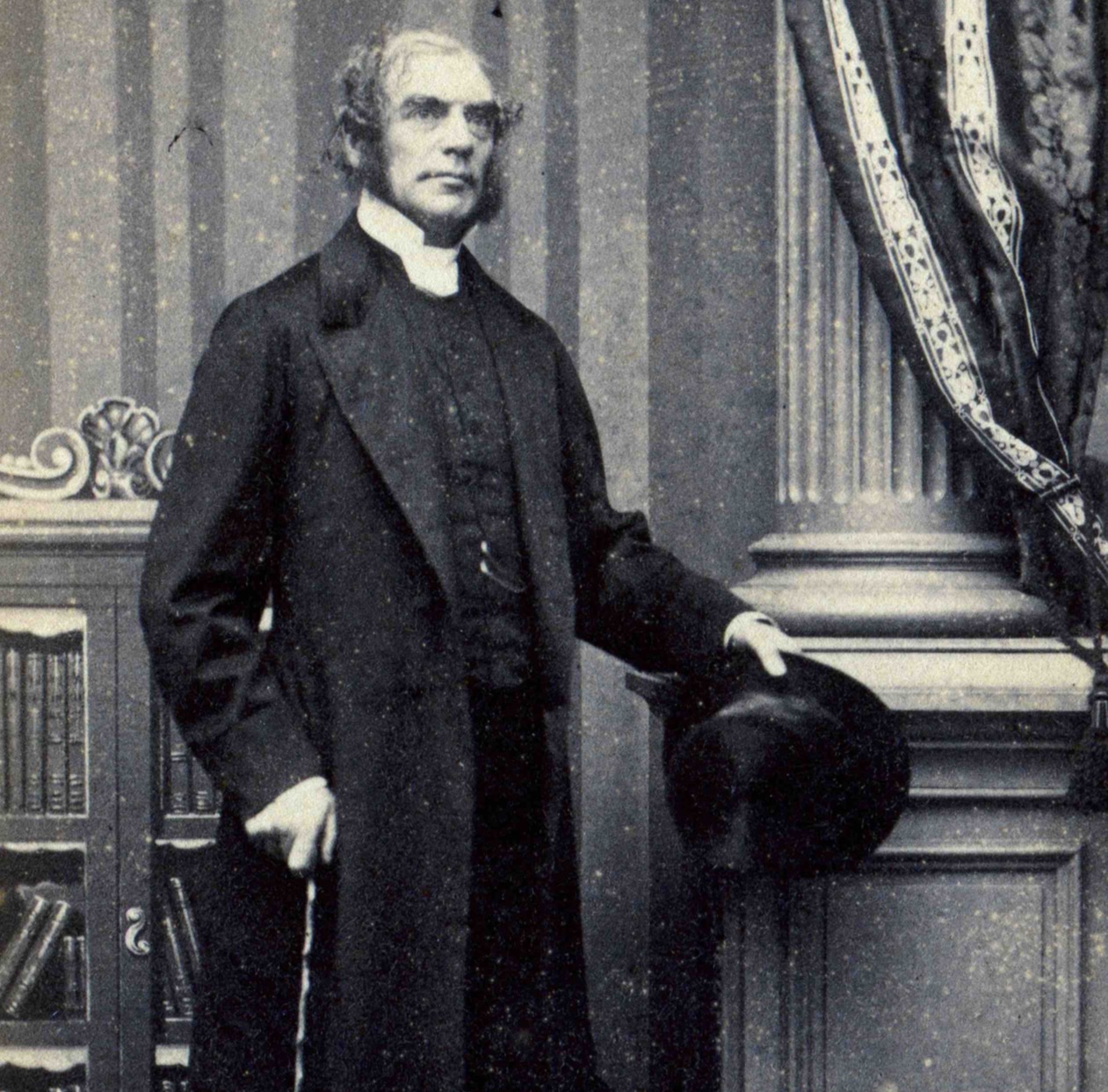
Moreover, repentance cultivates humility within the believer. When Christians confront their shortcomings honestly, it leads them to judge themselves more critically, which in turn fosters a spirit of love and understanding towards others. As Octavius Winslow notes, if we engage more in self-condemnation before God, we will likely judge others less harshly. This transformative act not only deepens one's relationship with Christ but also strengthens the communal aspect of the body of Christ, as restored individuals bear witness to the power of God's grace in their lives.
Psalm 69:5
O God, you know my foolishness; and my sins are not hid from you. Draw near unto my soul, and redeem it: deliver me because of mine enemies. You have known my reproach, and my shame, and my dishonor: mine adversaries are all before you. Psalm 69:5, 18, 19.
SATAN, we know, is the great accuser of the saints. And yet how insensible are we of the great power which he still exerts over the people rescued forever from his grasp. It was Satan who stood up to persuade David to number Israel; it was Satan who would have prompted God to slay Job; and it was Satan who stood at the right hand of Joshua, to condemn his soul. Thus is He ever ready to assert his charge against the people of God. Not less malignant is the world. Infidel in its principles, God-hating in its spirit, and Christ-rejecting in its whole conduct, it is no marvel that it should be the antagonist and the accuser of the saints. Sitting in judgment upon actions, the nature of which it cannot understand—interpreting motives, the character of which it cannot decide—ingeniously contriving and zealously propagating reports of evil—ever ready to defame and to detract—all who live godly in Christ Jesus must expect no mercy at its hand. Nor Satan and the world only. How often, as the history of holy Job testifies, have the saints been found the accusers of the saints (and with the deepest humiliation be it written), with an uncharitableness and censoriousness which might have kindled the world's cheek with the blush of shame. Thus does the Church herself testify, "My mother's children were angry with me." "The watchmen that went about the city found me; then smote me, they wounded me: the keepers of the wall took away my veil from me." And from whom did our blessed Lord receive His deepest wounds? Were they not from those who ranked among His friends and followers.
But what so keen and so bitter as self-reproach? Accusations proceeding from others are often most unfounded and unjust. We have felt at the time the secret and pleasing consciousness that we "suffer wrongfully." The shaft flies, but the arrow falls not more pointless and powerless than it. But far different is the accusation which the true believer brings against himself. Seeing sin where others see it not—conscious of its existence and its perpetual working, where the saints applaud, and even the world admires—he lays his hand upon his heart, his mouth in the dust, and exclaims, "I am vile! I abhor myself!" Ah! no reproaches are like those which an honest, sincere child of God charges upon himself. No accusation so true, no reproof so keen, no reproaches so bitter. Happy are they who deal much in self-condemnation. If we judged ourselves more, we should judge others less; and if we condemned ourselves more, we should be less condemned.
But what a privilege in all times of accusation, come from what quarter it may, to be alone with Jesus! With Him, when we know the charge to be untrue, to appeal to Him as an all-seeing, heart-searching, and righteous Judge, and say, "Lord, You know my principles, my spirit, my motives, my aim, and that with honesty, purity, and singleness, I have sought to walk before You." Oh it is a solace, the preciousness of which the throbbing heart may feel, but the most eloquent pen cannot describe. And when the accusation is just, and the believer feels, "Vile as I am in the eyes of others, yet more vile am I in my own eyes;" yet even then to be left alone with Jesus, self-reproved, self-condemned, is to be thrown upon the compassion of Him, "very great are whose mercies." Alone with Him, not a reproving glance darts from His eye, nor an upbraiding word falls from His lips. All is mercy, all is tenderness, all is love. There before Him the self-condemned may stand and confess; at His feet the penitent may fall and weep, and find, alone with Jesus, His arm a shield, and His bosom an asylum, within which his bleeding, panting heart may find safety and repose.

Comments
Your comment has been submitted and is awaiting moderation. Once approved, it will appear on this page.
Be the first to comment!