Bootstrap
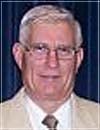
Mark Pannell

The Danger of Remaining Unbelief

Hebrews 3:12-14
Mark Pannell • October, 28 2007 • Audio
0 Comments
Mark Pannell continues his series of sermons on the topic of unbelief.

Sermon Transcript

Auto-generated transcript • May contain errors

100%
Look with me at 1 John 2 and
look at verse 18, if you will. Little children, it is the last
time. You know, the last time began
when Christ was ascended to the Father. The last days began with
the coming of Christ. And this last time is going to
end when He comes again. Little children, it is the last
time. And as you have heard that Antichrist
shall come, Even now are there many antichrists, whereby we
know that it's the last time. Now, John's writing here almost
2,000 years ago, and he says there are many antichrists. Many. In his day. Imagine how many
more there are in our day. Verse 19. They went out from
us, but they were not of us. For if they had been of us, they
would no doubt have continued with us. But they went out, that
they might be made manifest, that they were not all of us.
But, here's a distinction, but you have an option from the Holy
One. You have a teaching, a conviction
from the Spirit of God. You have an option from the Holy
One, and you know all things. You know all things necessary
to keep you under the gospel. You know all things necessary
to keep you looking to Christ alone. That's what he's talking
about. They went out because they didn't have that option.
But you have an option. You're going to remain because
you have that option of the Holy One. My text will be Hebrews
chapter 3 if you want to go ahead and turn. As I said, my text will be Hebrews
chapter 3. And those of you who are here
most of the time know that I've preached several messages from
this context, but I wanted to come back here and try to finish
up these thoughts today. The title of this message is
The Danger of Remaining Unbelief. And it's going to be found in
Hebrews 3, verses 12 through 14. The gospel that you and I believe,
those who come here, this message of salvation conditioned on and
accomplished by Christ alone. The gospel that you and I worship
God under here in this church. It's a message designed to continually,
continually change the mind of those who hear it. Flip with
me back over to Romans chapter 12 for a minute. This message
is designed to Change our thinking, our thinking about the world,
our thinking about religion, our thinking about salvation
mainly. Romans 12 and verse 1, Paul says, I beseech you therefore,
brethren, by the mercies of God, that you present your bodies
a living sacrifice, holy, acceptable unto God, which is your reasonable
service. And here's what I want you to
see. And be not conformed to this world. But be ye transformed
by the renewing of your mind, that ye may prove what is that
good, and acceptable, and perfect will of God." What is the perfect
will of God for sinners? Somebody asked Christ one time,
what must we do that we might work the works of God? What can
we do? He said, this is the will of God, this is the work of God,
that you believe on Him whom Christ has sent. The will of
God for us, you and me, who claim to believe the true and living
God, a just God and Savior, who claim to be looking to Christ
alone for all of our salvation, the perfect will of God for you
and me, would be just to rest 24-7 in that work and that salvation
that Christ has worked out. Never look anywhere else. but
to Him and His finished work. That would be God's perfect will
for us. But anyway, the gospel is designed
to conform our minds. To what? To that. To that Savior. To that salvation. To that perfect
work. To that that He accomplished
on behalf of His people there at the cross. Now, all our lives
we've heard, God wants to save you. God wants to do something
for you. to come into your heart. Won't
you just let Him come in today? God will save you if. He'll save
you if you will do something. But the gospel, you and I believe,
is radically different from such God-dishonoring messages. The
gospel tells sinners of a salvation totally foreign to anything that
you and I ever heard about before we came and sat down under the
gospel. The gospel is the only message in this world that tells
of a salvation condition on the doing and the dying of the Lord
Jesus Christ alone. The gospel is the only message
that reveals the righteousness of God, the righteousness that
Christ himself worked out by his obedience unto death, and
that God the Father owned and accepted there at the cross and
imputed to every sinner Christ lived and died for. The gospel
is the only message that makes known the justification of sinners,
the justification of a multitude no man can number that was accomplished
by the death of Christ there at the cross. The gospel is God's
means of delivering those specific sinners, sinners chosen by God
before the world began and given to Christ and represented by
Him and justified by Him there at the cross. The gospel is God's
means of delivering those sinners that He chose and that Christ
redeemed there at the cross unto the truth that sets them free. If that's all I ever said, if
I just stood up here and just went on with what I've done here
and said the gospel just talks about just such a salvation,
there'd be a lot of people probably listening to and giving mental
agreement to the gospel, much more than there are today. But
the gospel does something more than just that. You see, the
gospel confronts sinners with a sin, a sin that deceived us
all by nature. a sin that has us going about
trying to work out our own standing with God that we don't know anything
about. See, this whole religious world is caught up in telling
sinners, look, if you'll work, if you'll walk this aisle, if
you'll pray this prayer, if you'll do something, God will save you. God will be pleased with you.
You'll be acceptable in God's sight. The Scriptures reveal
that is the sin that deceived us all by nature and the sin
that still deceives all who haven't been delivered from that sin. That sin is unbelief. Sitting
under the Gospel is a privilege that none of us here should take
lightly. And it's not to be taken for
granted. You know, you and I hope and pray that God will keep the
gospel in Albany, Georgia for many, many years. Many years
after we're gone already so that our children and grandchildren
will have a place to come and hear the true gospel that preaches
of a just God and Savior and a salvation worked out by Christ.
But sitting under the gospel and even agreeing with the gospel
is not salvation. The scripture is clear that there
are different hearers who hear the gospel. There's the wayside
hearer. And it never even affects him. He hears it, he comes under
it, he comes in and goes out, and hears the gospel proclaimed,
and it just falls off him like water falling off a duck. It
just never makes any effect. It never has an indention in
him at all. And then it talks about sinners who come in and
hear the gospel, and they immediately rejoice, and they say, that's
the greatest thing I ever heard. And they seem to be just caught
up in this gospel and this message. But then persecution comes over
the gospel. They have to take a stand against
somebody in their family who says, That's the silliest thing
I ever heard. You mean to tell me that you
people, you few little people down there, are the only ones
that are believing that which is honoring to God and exalting
to Christ in the way of salvation. You have to say, you either have
to say, yes, that's true, or you have to compromise. And that's
what this sinner did, who heard and rejoiced in it, but persecution
came and he turned away. And then there's the thorny ground
hearer who comes in and sits under the gospel and claims to
believe the gospel. He gets caught up in the cares
of the world, and the deceit of riches choked to word and
becomes unprofitable, and he falls away. And then there's
the good ground hearer. There are four hearers. The good ground
here is the one that brings forth fruit. And out of those four
here, there's just one of them that believe the gospel. The
other four may give mental agreement to it, but they don't. They don't
truly believe it. Any of you have the parable of
the wheat and the tares in the church where the gospel is preached?
There's wheat among the tares. The servant said, Lord, who planted
these tares among the wheat? Didn't you sow good seed? Who
planted these tares among the wheat? Should we go in and dig
them up? He said, no, just let them grow
together. I'll take care of it in the end
time. So the church is a place where sinners meet together,
but sitting under the gospel is not necessarily salvation.
You see, I'm talking about an issue here that's a little more
subtle than Ken was preaching about this morning. I'm talking
about... I'd like to just say to everybody who comes in and
agrees with the gospel, look, we're all saved, we're all brethren.
And I preach as brethren as long as you claim to believe in the
salvation that I do and the Christ that I do. I know, according
to this word, that all who sit here are not saved. Now, the
last time I talked to you about this sin of unbelief, how it
is the one sin that will keep sinners out of heaven. Look back
here at this context we're in here. Let me remind you what the context
is before we look at this verse here. This context is where the
children of Israel came to the promised land, and they were
right outside the border, and God said, Go in and take it.
And they refused to do so because they sent spies in, and they
saw giants in the land, and they saw walled cities and said, We
can't take this land. There's no way we can take this
land. So they wouldn't go in. Except Caleb and Joshua said,
We can go in. If God delights in us, He's given
us this land. It's ours. All we need to do
is just go in and possess it. But they wouldn't. And so God
said in verse 11 here, He said, So I swear in my wrath, they
shall not, they shall in no case enter into my rest. And that's enter into the promised
land. And then in verse 19 of chapter 3, So we see that these
could not enter in because of unbelief. So unbelief is the
one sin for which sinners will spend an eternity in misery because
they refuse to believe salvation conditioned on Christ alone.
They refuse to believe that salvation that Christ has worked out and
accomplished for those that he lived and died for. But today
I want to talk to you who remain under the gospel, not those who
refuse to believe, but those who give mental agreement to
the gospel. The gospel is the only weapon against this continuing
sin of unbelief, even in those of you sitting here, like me,
claiming to believe the gospel. And today I want us to consider
three reasons why the sin of unbelief is one of the greatest
dangers still facing those who sit under and claim to believe
the gospel from these three verses here, verses 12 through 14. The
first reason why the gospel Why the sin of unbelief is one of
the greatest dangers still facing you and me is because unbelief
is the one and only reason sinners who claim to be trusting the
living God depart and fall away from the living God. Look here
at verse 12 in chapter 3 of Hebrews. He said, Take heed, brethren,
lest there be in any of you an evil heart of unbelief in departing
from the living God. Now, as I've already said, but
I'll repeat here, this is a warning to those who sit under and give
mental agreement to the gospel. Take heed, brethren. It's an imperative, continuous
command to those who claim to believe the gospel and preach
it. The root word here for take heed simply means see, to see. But it means more than just see
with the eyes. It means perceive. It means see with discernment.
See with understanding. See not only the content of the
gospel, but also its implications. It's a command to consider what
you're hearing and how you're hearing it. Remember, we're not
talking here about religious people in the world in general.
We're talking to people just like you and me who sit under
the true gospel. And look back. What does he mean
when he says, Take heed, brethren? Look back at verse 1. He said,
Wherefore, holy brethren, partakers of the heavenly calling, consider
the apostle and high priest of our profession, Christ Jesus,
who was faithful to Him that appointed Him. Take heed. Consider
the Christ you're hearing about. Consider the salvation that he
worked out for his people. Consider his obedience unto death. Consider the righteousness he
established by that obedience unto death. Consider that he
put away the sin of his people and gave them an unchangeable
standing of righteousness based on his righteousness imputed
alone. The gospel of grace, that is,
salvation conditioned on and accomplished by Christ alone,
It's not an alternative way of salvation. You know, most in
religion give credence to other forms, other ways. They say there
are lots of roads leading to the same end. You know, lots
of roads up that mountain leading to the peak. But we don't preach
the gospel as an alternative way. The gospel is the one and
only way of salvation, and as the way, it adamantly opposes
any other supposed way. The Scripture says there is a
way that seems right unto men. It says there's a broad way,
many roads, but they all lead to destruction. The only way
that leads to life is the straight gate and the narrow way. That way alone is the way of
salvation conditioned on and accomplished by Christ alone.
In this verse here, he's talking about an evil heart of unbelief
that causes sinners to depart from the living God. Take heed,
brethren. Take heed of the gospel. Take
heed of the Christ preached out in the gospel. Take heed of that
salvation that He worked out for those He lived and died for.
Lest, or if you don't take heed, there could be found in any one
of you an evil heart of unbelief, causing you to depart from the
living God. An evil heart of unbelief is
a heart that has not been delivered from that way that seems right
unto a man. Everybody sitting here was on
a way before they came here. Everybody sitting here was under
some notion of salvation before they came here, under some doctrine
before they came here. Now, an evil heart of unbelief
is the heart that hadn't been delivered from that way, that
hadn't seen the evil and wickedness of a way that does not preach
a Christ who accomplished the salvation of His people. It's
the heart of one still on the broad way, the heart of one who
insists that they were not saved until they did something or until
God did something in them. It's the heart of one who has
not been changed by the gospel from salvation conditioned on
the sinner's doing. conditioned on something I did,
my believing, my repenting, my walking an aisle, my getting
serious about religion. The evil heart is one that hasn't
been changed from that way of thinking to salvation conditioned
on and accomplished by Christ alone. Now, there are two scriptural
examples. I've already talked about one
of them here, the stony ground hearer, that hearer who rejoiced
over the gospel for a little while. but then left when persecution
came over the world. Now, while that sinner was rejoicing
in the gospel, He didn't know, and nobody who saw him knew that
he had an evil heart of unbelief. How was that evil heart of unbelief
manifested? How was it made known? Well,
when he left over persecution, when he wouldn't take a stand
for the gospel, when he didn't think enough about the Christ
being preached in the gospel and the salvation that he had
worked out to stand up against the persecution of the cross.
The other example I want to talk about is that one in 1 John 2.18
that we read about over here in the beginning. You'll turn
back over there if you mark that place. 1 John 2 and verse 18. These that went out from John
and this congregation here, he says in verse 19, they went out
from us, but they were not of us. Or had they been of us, they
would no doubt have continued with us. And while they continued
with John, John and all there, including these people themselves,
called themselves believers. They called themselves truly
resting in the imputed righteousness of Christ alone. But it says,
if they had been of us, they would no doubt have continued
in this gospel and continued with us. But they went out that
they might be made manifest that they were not all of us. The
only way John knew that these weren't true believers, the only
way he knew that they weren't truly looking to Christ alone
for all of salvation, was they left. They left the gospel. They
left the Christ of the gospel. They left the just God and Savior
preached out in the gospel. He said, but you have an unction
from the Holy One. God has done something in you,
he said, that he didn't do in them. He delivered you from that
evil heart of unbelief. He delivered you to a certainty
of salvation. You know there's no hope anywhere
but under the message that reveals a Christ who worked out a righteousness
that God imputed to His people, and by that righteousness declares
them just and holy in His sight. You know there's no hope anywhere
else but under this message and under that Savior. So the first reason unbelief
is one of the greatest dangers still facing those claiming to
believe the gospel is because it's unbelief. Unbelief is the
only reason why any claiming to be trusting the living God
ultimately and eventually depart from or fall away from the living
God. There have been a lot of people
come in and out of here through the years as this gospel has
been preached. Why did they leave? Well, some
of them say they left because they couldn't get along with
some of us. Some of them say they left because we just didn't
have any programs for the kids. But why did they leave? They
left because they didn't believe the God we preach and the Savior
that's proclaimed from this pulpit. Okay, so the second reason that
the sin of unbelief is one of the greatest dangers still facing
those claiming to believe the gospel, we'll see it in verse
13. The deceitfulness of unbelief
that hardens the hearts of those who sit under the gospel but
refuse to bow to the commands, that is, heed the instructions
of the gospel, bow to its correction, and heed its warnings. That's
the second reason why unbelief is one of the greatest dangers
still facing those of you and me who sit under and believe
the gospel. Look at verse 13 here in our
text, Hebrews 3 and verse 13. I'm reading in verse 12 first. Take heed, brethren, lest there
be in any of you an evil heart of unbelief in departing from
the living God. But you're not going to depart. You have an option. You exhort
one another daily while it's called a day, lest any of you
be hardened through the deceitfulness of sin. The word for exhort is
a simple word, kaleo. It means to call. And there's
a little preposition in front of it, para. So it's para kaleo.
Para means beside or to the side. Call to the side. What he's saying
here, the idea is to call yourselves. He says, exhort one another.
And the original, I think the word would be better, yourselves.
But it's one another or yourselves. You know, we're here to be exhorted
as believers, and we get together and talk about the gospel to
exhort one another in the faith. But he's talking here about exhorting
yourselves, and the idea is call yourselves to the side and remind
yourselves where your hope is. Where's your hope? Is it in your
believing? Is it in your repenting? No,
it's in the Savior you're looking to. It's in the justification
He accomplished. Remind yourselves that your hope
of salvation is in the finished work of the Lord Jesus Christ
alone. And then he said, do this every
day. Call yourselves aside and remind
yourself where your hope is. And do this every day. The word
in verse 13 here interpreted daily in the original is really
three words. It's each day separately. It's each and every day. The
writer is placing a lot more emphasis than we see in the translation
here on the urgency, on the necessity, even on the vitalness of us reminding
ourselves every day where our hope is. And to further stress
this emphasis, he adds, while it's called a day. In other words,
here's what he's saying. Here's what's being emphasized.
Don't face a sundown. Don't let a day pass without
calling yourselves aside and reminding yourselves, whether
it's you reminding yourself or reminding one another. reminding
yourselves that your hope, the only hope you have of being saved
and being kept saved, is in the mercy of God found in that salvation
conditioned on and accomplished by Christ alone. Your only hope
is in the doing and dying of the Lord Jesus Christ alone.
Your only hope is in His blood and imputed righteousness alone.
Now, why such an emphasis on this calling aside? Is he just
trying to make a point that, look, you need to do this every
day? He's making that point. Do this every day. But why is
he stressing this so much? It's because of the deceitfulness
of unbelief. Now, I've told you before that
those who truly believe the gospel, those who've been visited by
the Spirit of God and in whom the Spirit of God has done a
work, We've been delivered from a heart of unbelief. We're not
trying to work out our own standing with God. We're not trying to
work out our own salvation. We're resting in the finished
work of Christ alone for all of salvation. So we've been delivered
from hearts of unbelief, but there's so much unbelief still
remaining in these sinful hearts of ours, and that's what we need
to continually That's why we need to continually draw ourselves
aside daily and remind ourselves that our salvation is not dependent
upon how well I preach this sermon. It's not dependent upon how well
Winston prayed. It's not dependent upon anything
you've done. And it can't be detracted from
by anything you've done. Not if you're one of God's elect
and not if you were redeemed by Christ at the cross and the
Spirit has taught you that Your hope and standing before God
is in one thing, in one thing only. That's in the obedience
unto Christ and the righteousness that He worked out there at the
cross. Before regeneration, we were
held in bondage to this sin of unbelief. We were held in its
dominion. What does that mean? It means
that just like all the others in the world, we were working
feverishly, going about, trying to establish a righteousness
of our own, trying to work out our own standing before God.
So we were held under this sin's dominion. Thankfully, in regeneration,
we were delivered from the bondage and dominion of this sin. But
we weren't delivered from the continuing influence of this
sin. And we were not delivered from its continuing deceitfulness. Even now, You've heard it said
there's enough sin in our best prayer to condemn us if God marked
that sin against us, and that's true. That's true. The best sin
in our best effort to honor God and to exalt Christ, there's
enough sin there to condemn me if God marked that sin against
me. But consider this in the context of this message. There's
enough unbelief in our best moment of believing to bar us from heaven
just like these in our example were barred because of unbelief.
There's enough unbelief in our best moment of believing. When
we're just at the pinnacle of looking to Christ and resting
in Him alone, there's enough unbelief in that moment for God
to condemn us if He marked that unbelief against us. To keep
us out of heaven if God marked that unbelief against us. There's enough unbelief in our
best believing to bar us from heaven if God in Christ at the
cross has not delivered us from the condemnation of unbelief. And if God in regeneration has
not delivered us from a heart of unbelief, a heart going about
to work out His own righteousness. And if God, the Holy Spirit, And if the Spirit of God through
the preaching of the gospel does not continue to deliver us from
our continuing unbelief, we don't have hearts of unbelief, but
we have much unbelief still in these unbelieving hearts. Those
under the gospel sit in one of two camps this morning. Here's
the first camp. God in regeneration has delivered
you from a heart of unbelief. And the gospel reminds you where
your true hope is and causes you to repent of your continuing
belief and rejoice in Christ who has saved you and is keeping
you by his finished work alone. That is, you've either bowed
to the commands of the gospel and are continually rejoicing
in Christ and the salvation that he alone accomplished for his
sheep, or, here's the other camp, your heart is still in bondage
to the sin of unbelief. You're still finding some measure
of assurance before God based on something other than Christ's
blood and imputed righteousness alone. And the deceitfulness
of unbelief is constantly hardening your heart, even while you're
sitting here, hearing, understanding, and giving agreement to the gospel. Look back at verse 13. He said,
"...exhort one another daily, or exhort yourselves daily. Call yourselves aside daily and
remind yourselves where your hope is. Now, those who do that
have been delivered from hearts of unbelief. Those who call themselves
aside daily and remind themselves, my only hope of standing before
God and being declared just is in the work of Christ alone.
But, he said, do that lest perhaps any of you be hardened through
the deceitfulness of sin. So you're either finding all
your comfort and assurance before God in the person and finished
work of Christ alone, in His blood and righteousness alone,
or you're finding your hope in something else and you're being
hardened by the deceitfulness of that unbelief. Finding your
hope in something other than Christ alone is unbelief. And
if you continue to do that, your heart is just being hardened
by that unbelief. The Christ of the Scriptures
is the hope of fallen humanity, and the Christ of the Scriptures
is the Christ who finished the work the Father gave Him to do.
He bore the sins of His elect sheep in His body on the tree,
and He healed them by His stripes. He put away their sin by the
sacrifice of Himself, and reconciled those sinners to God by His death.
The Christ of the Scriptures was delivered because of the
offenses of the sheep The offenses of the sheep were charged to
his account. That's why he went to the cross, for their sins.
He bore their sins in his body on the tree. And he was raised
from the dead because he discharged those sins, and because the righteousness
he established by his death was charged to the spiritual account
of his sheep. And God declared him eternally
and unchangeably righteous based on his imputed righteousness
alone. Even under the gospel, you're either finding all you're
rejoicing in that Christ alone, That Christ of the Scriptures
and His finished work alone, or you're finding some measure
of confidence in something else. You're being hardened by the
deceitfulness of sin, which is presumption. You are, and I'm
talking to myself too, we are continually sinners. We have
continuing unbelief. Where do you find relief from
that belief? Do you find it in your attendance
to the gospel? Do you find it in your praying,
in your giving, in your worship? Do you find it in anything but
the Christ of the Scriptures who bore away the sins of His
people and established them in perfect righteousness before
God? If you do, you're being hardened by the sin of unbelief. The second reason why unbelief
is one of the greatest dangers still facing those under the
gospel and who claim to believe the gospel is because it's the
deceitfulness of that unbelief, that unbelief that still remains
in your heart and mind. The deceitfulness, that unbelief,
that's what hardens the hearts of those who refuse to bow to
salvation conditioned on and accomplished by Christ alone.
There's one more reason here in verse 14, and I'll move right
along. One more reason why unbelief
is one of the greatest dangers still facing those under the
gospel. And the reason is because recovery from the continuing
sin of unbelief by the gospel is the main evidence that a sinner
has been delivered from a heart of unbelief in regeneration. Look at verse 14. For we are
made partakers of Christ, if we hold the beginning of our
confidence steadfast unto the end. Now, this verse, although
many may not preach it this way, is speaking about an evidence
of those who sit under the gospel, how you can know whether or not
you are truly a partaker of Christ. He said, if. If we hold the beginning
of our confidence steadfast unto the end. It says we are made here. That
tense of that verb would be we have been made. It's a perfect
tense, which means whatever this is, it's something that occurred
in the past that has present and ongoing results. We have
been made partakers of Christ if we do something, he said,
if we give this evidence that he speaks of right here in this
verse. He said, if you should hold fast
the beginning, of the assurance, steadfast unto its end. That
word beginning, it could be beginning and that would be fine, but it
could also be the authority. There's something that caused
you to separate yourself to this message, to this Savior, to this
God. Something caused you to come
here and worship and stay here and worship. It was the authority
that brought you here. Something caused it. The authority. The authority of the assurance. And what he's talking about is
the authority of the assurance of the gospel. The authority
of the Christ that I've been speaking about as plainly as
I can. The authority of the Christ who
didn't leave His sheep needing to meet any condition or to work
out any kind of a doing so that they could be acceptable to God. But He accomplished everything
they needed. He worked out their full justification
and redemption and forgiveness there at the cross by His work.
The sheep Christ represented are not in need of anything as
far as being delivered from God's wrath and put in God's eternal
favor. We are in need of something. We are in need, first of all,
initially, of being delivered from thinking that we could do
something to stand in God's favor. All that thinking opposes the
Christ of the Scriptures. All that thinking opposes salvation
conditioned on and accomplished by Christ alone. But we needed
to be delivered from that, and we need to continually be delivered
from any idea that creeps into our mind, well, I've been here
20 years. I know God's more pleased with
me because of that than He is those who sit out under a false
gospel. He's not pleased with you for
that reason. If He's pleased with you, it's for one reason
and one reason alone. He determined before the world
began to show you mercy. He put you in Christ. He sent
Christ into the world to meet and satisfy every condition necessary
to put away your sin and to make you perfectly unchangeably righteous
in His sight forever, eternally, based on nothing but the imputed
righteousness of Christ alone. Those are three reasons why remaining
unbelief is one of the greatest dangers facing those of us who
sit under and hear and give agreement to this gospel and this Savior. I hope you've been able to glean
some comfort and hope. This is not a warning to scare
God's Christ sheep, God's elect. It's not a warning to scare,
but it's a warning to encourage you to keep on looking to that
Savior. who's left no detail for you
to stand unchangeably righteous in the sight of God based on
nothing but His righteousness alone. And I hope God will enable
you to do that.

Comments

0 / 2000 characters
Comments are moderated before appearing.

Be the first to comment!

Joshua

Joshua

Shall we play a game? Ask me about articles, sermons, or theology from our library. I can also help you navigate the site.

0:00 0:00