Bootstrap
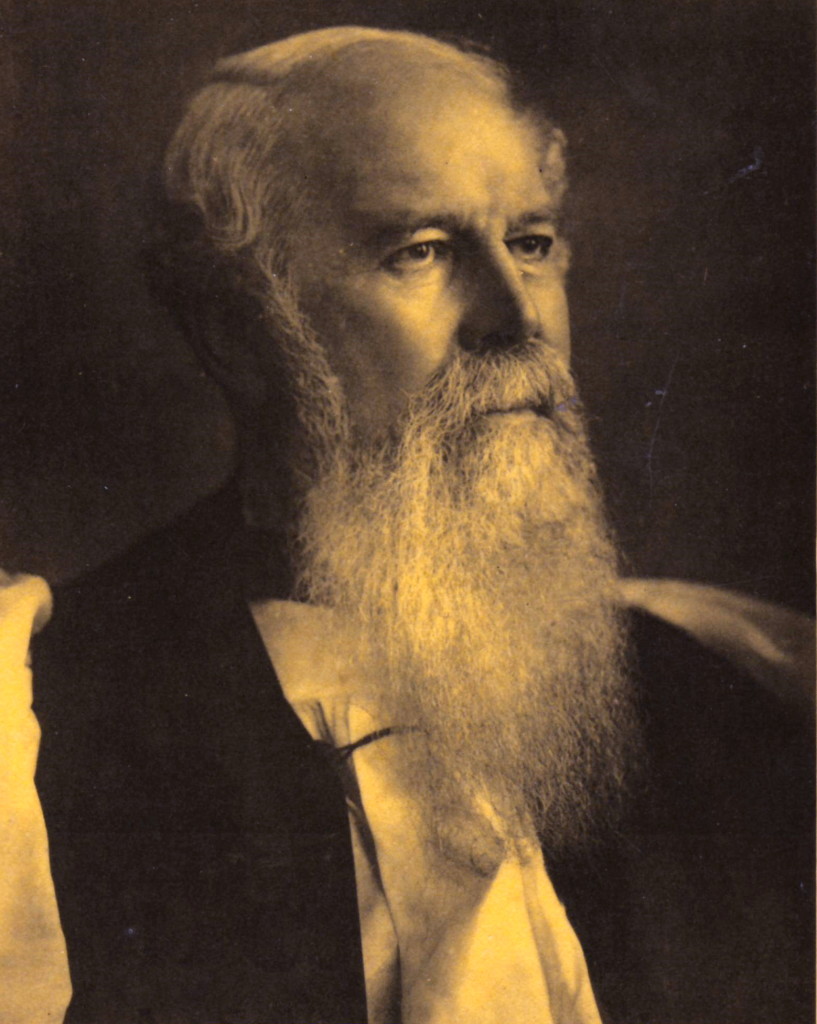
J.C. Ryle

Everybody is going to be saved--and nobody is going to be lost!

2 Thessalonians 2:11; 2 Timothy 4:2-4
J.C. Ryle September, 6 2025 Audio
0 Comments
We highly suggest that you READ the TEXT at the link below, as you listen to the audio above.

https://gracegems.org/2017/10/Everybody is goin...

Feel free to FORWARD this gem to others!

The sermon by J. C. Ryle addresses the theological dangers posed by the rising spirit of indifference towards doctrinal truths within the church, emphasizing the Reformed doctrine of the absolute authority of Scripture. Ryle argues that many professing Christians are unable to discern essential distinctions in beliefs, leading to a dangerous tendency to accept all views as equally valid, which ultimately undermines the core truths of the Christian faith, such as justification, regeneration, and the nature of salvation. He cites 2 Thessalonians 2:11 and 2 Timothy 4:2-4 to underscore the importance of sound doctrine and warning against the folly of a generalized tolerance towards any belief system masked as charity. The practical significance of this message is a call to uphold the truth of Scripture and reject the current trend of doctrinal ambiguity, reinforcing the necessity of clear theological conviction in the face of contemporary cultural pressures.

Key Quotes

“One great danger of the church today consists in the rise and progress of a spirit of indifference to all doctrines and opinions in religion.”

“When there is no standard of doctrine, there can be no church, but a babble.”

“The heart of man is naturally in the dark about religion, has no intuitive sense of truth, and really needs divine instruction and illumination.”

“Preach the word; be prepared in season and out of season, correct, rebuke, and encourage, with great patience and careful instruction.”

What does the Bible say about the importance of doctrine?

The Bible emphasizes the necessity of sound doctrine for the health of the church and believers' understanding of truth.

Scripture places significant importance on sound doctrine, which serves as a foundation for the church and believers’ faith. In 2 Timothy 4:2-4, Paul exhorts Timothy to preach the word, to be prepared in season and out, correcting, rebuking, and encouraging with patience and careful instruction. This is crucial because people will increasingly turn away from sound teaching and seek what aligns with their desires, leading to confusion and error. Without a clear standard of doctrine, believers risk drifting away from the truth of the gospel, which may ultimately lead them to eternal destruction.

2 Timothy 4:2-4

How do we know all people are not going to be saved?

The Bible teaches that not everyone will be saved; only those granted faith and repentance through God's grace will enter eternal life.

The notion that everyone will be saved is contradicted by Scripture, which clearly indicates that only those chosen by God will inherit eternal life. The teachings of Christ and the apostles affirm that salvation is a work of divine election and grace. For instance, in 2 Thessalonians 2:11, Paul warns of those who refuse to love the truth and are allowed to believe a lie, leading to their judgment. This underscores that the choice to accept or reject God's truth directly impacts ultimate destiny, resulting in either salvation or condemnation.

2 Thessalonians 2:11

Why is holding to evangelical views important for Christians?

Holding to evangelical views is crucial for maintaining fidelity to Scripture and safeguarding against false teachings.

In a time when many embrace a spirit of indifference towards definitive beliefs, holding to evangelical views is more important than ever. These views are rooted in Scripture and convey the reality of God's truth—a truth that is often countercultural and dismissed as narrow-minded. As expressed in the sermon, the current religious landscape promotes a tolerance for various doctrines, undermining the authority of biblical teaching. True Christians must not shy away from asserting the necessity of sound doctrine, as it allows for clarity in understanding salvation, justification, and the moral obligations that stem from faith in Christ.

Sermon Transcript

Auto-generated transcript • May contain errors

100%
One great danger of the church today consists in the rise and progress of a spirit of indifference to all doctrines and opinions in religion. A wave of latitudinarianism about theology appears to be passing over the land. The minds of many seem utterly incapable of discerning any difference between one belief and another belief, one creed and another creed, one tenet and another tenet, one opinion and another opinion, one thought and another thought, however diverse and mutually contrary they may be. Everything is true, and nothing is false. Everything is right, and nothing is wrong. Everything is good, and nothing is bad, if only it comes to us under the garb and name of religion. Most think that it is kind and liberal to maintain that we have no right to think that anyone is wrong who is earnest about his creed. We are not allowed to ask what is God's truth, but what is liberal and generous and charitable. Most professing Christians make cleverness and earnestness the only tests of orthodoxy in religion. Thousands nowadays seem utterly unable to distinguish things that differ. If a preacher is only clever and eloquent and earnest, they think that he must be right, however strange and heterodox his sermons may be. Popery or Protestantism, an atonement or no atonement, a personal Holy Spirit or no Holy Spirit, future punishment or no future punishment, they swallow it all. Carried away by an imagined liberality and charity, they seem to regard doctrine as a matter of no importance and to think that everybody is going to be saved and nobody is going to be lost. They dislike distinctness and think that all decided views are very wrong. These people live in a kind of mist or fog. They see nothing clearly and do not know what they believe. They have not made up their minds about any great point in the gospel and seem content to be honorary members of all schools of thought. For their lives, they could not tell you what they think is truth about forgiveness of sins or justification or regeneration or sanctification or saving faith. or conversion, or inspiration, or the future state. They are eaten up with a morbid dread of doctrine, and so they live on undecided, and too often undecided they drift down to the grave, on the broad way which leads to eternal damnation. They are content to shovel aside all disputed points as rubbish and will tell you, I do not pretend to understand doctrine, it is all the same in the long run. They are for a general policy of universal toleration of every doctrine. Every school of false teaching, however extreme, is to be tolerated. They desire the church to be a kind of Noah's Ark within which every kind of opinion and creed shall dwell safely and undisturbed, and the only terms of admittance are a willingness to come inside and let your neighbor alone. Nothing is too absurd to concede and allow into the church, in the present mania for complete freedom of thought and absolute liberty of opinion. The explanation of this boneless, nerveless condition of soul is perhaps not difficult to find. The heart of man is naturally in the dark about religion, has no intuitive sense of truth, and really needs divine instruction and illumination. Besides this, the natural heart in most men hates exertion in religion. Above all, the natural heart generally likes the praise of others, shrinks from controversy, and loves to be thought charitable and liberal. The whole result is that a kind of broad, religious, anything-ism just suits an immense number of professors. Ignorance, I am compelled to say, is one of the grand dangers of professors of religion in the present day. Who does not know that such people swarm and abound everywhere? And who does not know that anyone who denounces this state of things and insists that we should be loyal to Scripture truth is regarded as a narrow, bigoted, intolerant person quite unsuited to our times? When there is no standard of doctrine, there can be no church, but a babble. Let me venture to advise all true Christians to never be ashamed of holding evangelical views. Those views, I am quite aware, are not fashionable nowadays. They are ridiculed as old-fashioned, narrow-minded, and out of date, and those who hold them are regarded as closed-minded and impractical old fossils. What the final result of the present state of things will be I do not pretend to predict. preach the word, be prepared in season and out of season, correct, rebuke, and encourage, with great patience and careful instruction. For the time will come when men will not put up with sound doctrine. Instead, to suit their own desires, they will gather around them a great number of teachers to say what their itching ears want to hear. They will turn their ears away from the truth and turn aside to myths 2nd Timothy chapter 4 verses 2 through 4
J.C. Ryle
About J.C. Ryle
John Charles Ryle (10 May 1816 — 10 June 1900) was an English evangelical Anglican bishop. He was the first Anglican bishop of Liverpool.
Broadcaster:

Comments

0 / 2000 characters
Comments are moderated before appearing.

Be the first to comment!

Joshua

Joshua

Shall we play a game? Ask me about articles, sermons, or theology from our library. I can also help you navigate the site.