Bootstrap
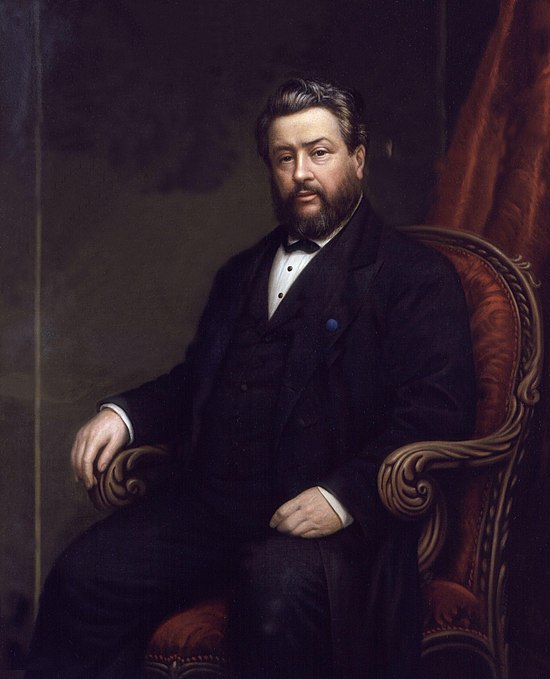
Charles Spurgeon

A dead man who had lain in the grave so long that he had begun to reek

Ephesians 2:1-5; John 11:14
Charles Spurgeon December, 6 2024 Audio
0 Comments
Another insightful gem by Spurgeon on the nature of man.

C. H. Spurgeon's sermon primarily addresses the theological doctrine of total depravity and the necessity of divine regeneration for salvation. He argues that just as Lazarus lay dead and unable to revive himself, so too are unconverted sinners completely incapable of attaining spiritual life through their own efforts or the assistance of others. Spurgeon emphasizes that spiritual death is not a mere illness but a state of total incapacity, supported by Ephesians 2:1-5 which underscores that salvation is solely a work of God through His mercy and grace. The practical significance of this doctrine is that it eradicates any notion of self-generated faith or merit in salvation, emphasizing the complete reliance upon God as the source of spiritual awakening and rebirth.

Key Quotes

“Dead Lazarus is a picture of every unconverted sinner in the world. He is dead in trespasses and sins.”

“Until we see dead men raising themselves, we do not expect to meet with dead sinners who have spontaneously… made themselves spiritually alive.”

“Regeneration is a supernatural work. Man must be born again from above.”

“In His omnipotent voice lies the power, and only there.”

What does the Bible say about spiritual death?

The Bible teaches that unconverted sinners are spiritually dead in trespasses and sins, as outlined in Ephesians 2:1.

Spiritual death is a central theme in scripture, particularly in Ephesians 2:1, which states that we are dead in our transgressions and sins. This depicts the total inability of the unconverted sinner to initiate their own salvation. Just as Lazarus lay dead for days, unable to revive himself, so too is the spiritually dead person incapable of generating spiritual life apart from divine intervention. This condition illustrates the pervasive nature of sin and highlights the necessity of a divine work to bring life where there is none.

Ephesians 2:1, John 11:14

How do we know regeneration is a supernatural work?

Regeneration is considered a supernatural work because it requires God's direct intervention, as indicated in Ephesians 2:4-5.

The doctrine of regeneration as a supernatural work is underpinned by passages like Ephesians 2:4-5, which emphasize that it is by God’s grace and mercy that we are made alive in Christ. Just as God created the world ex nihilo from nothing, He similarly creates spiritual life in a person who is dead in sin. This supernatural act is not initiated by human effort, nor can it be achieved through education or persuasion. Instead, it requires the omnipotent voice of Christ to effectively call the dead to life, demonstrating that salvation is entirely of the Lord.

Ephesians 2:4-5

Why is the concept of spiritual death important for Christians?

Understanding spiritual death is crucial for Christians as it highlights the necessity of divine grace for salvation.

The concept of spiritual death is paramount for Christians because it underscores the total depravity of humanity and our need for God's grace. Acknowledging that we are dead in our sins allows believers to recognize that salvation cannot be achieved through human effort or inherent goodness, but solely through the grace of God. This understanding fosters a profound appreciation for the work of Christ and the sufficiency of His sacrifice. Furthermore, it reminds Christians to depend on the Holy Spirit for spiritual life and growth, highlighting the need for prayer and reliance on God’s power in every aspect of the Christian life.

Ephesians 2:1-5

Sermon Transcript

Auto-generated transcript • May contain errors

100%
a dead man who had lain in the grave so long that he had begun to reek, by Charles Spurgeon.

He told them plainly, Lazarus is dead. John 11.14 There lay Lazarus in the grave, dead. His restoration to life was utterly hopeless upon any ordinary principles. Certainly Lazarus could not raise himself, his affectionate sisters could not with all their weeping give him life, nor could the disciples call back the departed spirit and reanimate the decaying corpse. It was a hopeless case for who could revive a dead man who had lain in the graves so long that he had begun to reek.

Dead Lazarus is a picture of every unconverted sinner in the world. He is dead in trespasses and sins. He is not a little sick or somewhat wounded or in a fainting fit, but spiritual death reigns over him. The lost sinner can never give spiritual life to himself. The thing is inconceivable. There are people who imagine that the natural will of man sometimes inclines towards good, but, alas, this flattering supposition is far from the fact. Until we see dead men raising themselves, we do not expect to meet with dead sinners who have spontaneously and without divine assistance made themselves spiritually alive.

Neither can relatives or friends regenerate the soul of the spiritually dead, nor can the most earnest ministers bestow the new birth. Death is a terrible picture of every person's natural state before God, and it is by no means an exaggerated one. The whole world is but a valley of dry bones, according to Ezekiel's vision. And if ever the dry bones are to live, it will not be through an energy innate within themselves, nor through a power resident in the most zealous of men, nor through any might which even a prophet could exert, apart from God.

Education cannot develop spiritual life out of death. Persuasion cannot quicken one who is dead in transgressions and sins. Reasoning cannot infuse spiritual life into a dead soul. Jesus must come to the tomb of Lazarus, and his voice must cry, Lazarus come forth, or else the corpse shall remain inanimate and only increase in putrefaction. All that can be done by mortal man may be done, but nothing will be effected, unless Jesus, who is the resurrection and the life, shall speak the quickening word. In His omnipotent voice lies the power, and only there.

Now let this be taken as a plain statement of our belief as to the Lord's work in salvation, and taken without any mitigation or dilution, We believe that in every case salvation is altogether of the Lord alone. Regeneration is a supernatural work. Man must be born again from above. Any power short of that from God will be ineffectual. The new creation is as much and as entirely the work of God as the old creation. God's divine arm must be revealed, or the case is past hope.

As for you, you were dead in your transgressions and sins. Ephesians chapter 2 verse 1. Because of his great love for us, God, who is rich in mercy, made us alive with Christ, even when we were dead in transgressions, it is by grace you have been saved. Ephesians chapter 2 verses 4 and 5.
Charles Spurgeon
About Charles Spurgeon
Charles Haddon Spurgeon (19 June 1834 — 31 January 1892) was an English Particular Baptist preacher. His nickname is the "Prince of Preachers."
Broadcaster:

Comments

0 / 2000 characters
Comments are moderated before appearing.

Be the first to comment!

Joshua

Joshua

Shall we play a game? Ask me about articles, sermons, or theology from our library. I can also help you navigate the site.