Bootstrap
Horatius Bonar

Who will show us any good?

Numbers 6:24-26; Psalm 4:6
Horatius Bonar September, 6 2024 Audio
0 Comments
Another insightful gem by Horatius Bonar!

In Horatius Bonar's sermon "Who will show us any good?", the central theological topic revolves around the human condition of spiritual emptiness and the search for true fulfillment. Bonar articulates the various dimensions of this cry for help—feeling empty, weary, lost in darkness, and utterly helpless. He references Psalm 4:6, which captures the universal longing for goodness, and contrasts it with the futility of seeking satisfaction in worldly pleasures, using illustrative examples to emphasize their ultimate emptiness. The practical significance of this sermon lies in its call to recognize the insufficiency of earthly pursuits in light of eternity and the need for a true source of good, ultimately pointing to God’s grace and salvation.

Key Quotes

“This is the cry of emptiness. They feel that there is something lacking. They were not made for this perpetual hunger and thirst.”

“Oh, how long will you love vanity? How long will you dote upon this vain world, and worship it as your idol?”

“What will its good things profit in the day of the Lord? Will its pleasures cheer a death-bed, or brighten the gloom of the grave?”

“When the end comes, what is your gain? Is it heaven, or is it hell? Is it joy or is it woe?”

Sermon Transcript

Auto-generated transcript • May contain errors

100%
Who will show us any good? by
Horatius Bonar from the two cries and the two answers. Many are
asking who will show us any good? Psalm 4 6 1 This is the cry of emptiness.
They feel that there is something lacking. They were not made for
this perpetual hunger and thirst. They are empty, and therefore
they cry. They are poor and needy, but
find no supply. 2. This is the cry of weariness. They who utter it are seeking
rest, but finding none. They labour, and are heavy-laden. They would sincerely rest, but
know not how or where. Unrest. This is their portion. Unrest here, sad prelude of the
eternal unrest, the never-ending weariness. 3. This is the cry
of darkness. All is darkness and blindness. They grope about, not knowing
which way to look or to turn. And they cry, show us something,
for our eyes are blind. We have tried in vain to see.
4. This is the cry of helplessness. They have tried many expedients,
tried to create good for themselves or to get it from others, but
in vain. They find themselves helpless. 5. This is the cry of earnestness. It comes forth often amid bitter
tears and groans. Men are bent on being happy. They would do or give anything
for happiness. They are mistaken. yet in earnest
they would take any good if they could get it. 6. This is the cry of despair. Who? Who? Who? They have tried every one, every
thing, all in vain. They are emptier, hungrier, thirstier,
sadder than at first. Seven. This is a loud and universal
cry. Many. Yes, the whole world. It is Esau's loud and bitter
cry reverberating through the earth. It is the cry of the many. Not of the few, the world is
unhappy. It has no rest. It is thirsty,
and knows not where to drink. It is hungry, and knows not where
to find bread. It weeps, and knows not how to
get its tears dried. Every man walks in a vain show,
going about asking, Who will show us any good? Oh, how long
will you love vanity? How long will you dote upon this
vain world, and worship it as your idol? How long will you
treat its broken cisterns as if they were the fountains of
living water? O do not love the world! What
will its good things profit in the day of the Lord? Will its
pleasures cheer a death-bed, or brighten the gloom of the
grave? What is the ball-room, when its
flowers are fled and its garlands are dead? What can the music
and the dance do for you when sickness comes, or the last trumpet
sounds? Will that mirthful dress of yours
do for a shroud? How will these revelings and
banquetings appear to you in the retrospect of time, still
more, in the retrospect of eternity? What will you think of your idle
words, your foolish talking and jesting, your filthy speech,
your riotous mirth, your luxurious feasting, when you stand confronted
with the last enemy, or before the judge of all? You have gone
from scene to scene, from gaiety to gaiety, from party to party,
from vanity to vanity, from novel to novel, from ball to ball,
in the dreary emptiness of your poor aching hearts, crying, Who
will show us any good? And when the end comes, what
is your gain? Is it heaven, or is it hell? Is it joy or is it woe? Many are asking, who will show
us any good? Psalm 4, 6
Horatius Bonar
About Horatius Bonar
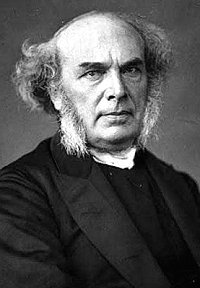
Horatius Bonar (19 December 1808 — 31 July 1889), was a Scottish churchman and poet. He is principally remembered as a prodigious hymnodist. Friends knew him as Horace Bonar.
Broadcaster:

Comments

0 / 2000 characters
Comments are moderated before appearing.

Be the first to comment!

10
Joshua

Joshua

Shall we play a game? Ask me about articles, sermons, or theology from our library. I can also help you navigate the site.