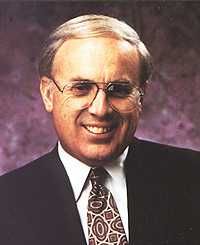
In Pastor John MacArthur's sermon titled "The Holiness of God and His People," he expounds on the theological concepts of divine holiness and judgment, particularly as seen in Isaiah 6 and Romans 1. The sermon argues that the holiness of God necessitates judgment upon nations that rebel against Him, illustrating this through biblical examples from the Old and New Testaments. He emphasizes that historically, nations go through cycles of turning away from God to receiving abandonment, resulting in moral degradation. Key scriptures, including Isaiah 1 and Romans 1:18-32, provide the basis for how God's judgment unfolds in the lives of the unrepentant, revealing a process that leads to both societal and individual condemnation. The practical significance of this sermon underscores the urgency for believers to proclaim the reality of God’s judgment while finding comfort in His sovereign control over history, calling them to recognize their role in reaching the elect even as they proclaim the stark truth of "too late" for those who persist in rebellion.
Key Quotes
“Worship is rehearsing divine providence.”
“The holiness of God is made manifest over and over and over through all of human history in the judgment of nations and generations of people.”
“He is on the throne wreaking havoc in this world through His holy judgment.”
“Too late for the nation, not too late for the elect.”
The holiness of God is a central theme in Scripture, marking His absolute purity and separation from sin.
The holiness of God is an essential attribute that underscores His absolute purity and separates Him from sin. In Isaiah 6, we see a profound vision where the seraphim declare, 'Holy, holy, holy is the Lord of hosts; the whole earth is full of His glory.' This trihagion highlights not only the uniqueness of God but also His moral perfection. It serves as a reminder that God cannot look upon sin and that His holiness leads to judgment against unrighteousness. Hence, when nations turn away from God, they face His wrath, which is a manifestation of His holiness.
Isaiah 6:3, Romans 1:18
God's sovereignty is affirmed throughout Scripture, showcasing His control over all creation and history.
God's sovereignty is a biblical truth foundational to Reformed theology, highlighting that everything operates under His divine authority and perfect will. In Isaiah 6, even as the nation of Israel faces judgment, it is emphasized that God remains on His throne, sovereign and unaffected by the circumstances of humanity. Scriptures like Romans 8:28 affirm that all things work together for good to those who love God, showcasing that His sovereignty is intertwined with His goodness and purpose in history.
Isaiah 6:1, Romans 8:28
God's judgment is a necessary aspect of His justice and holiness, reminding Christians of the consequences of sin.
God's judgment is integral to understanding His character as both holy and just. As outlined in Romans 1, God's wrath is revealed against all ungodliness, indicating that His holiness cannot coexist with sin. For Christians, understanding God's judgment reinforces the need for repentance and grace. It reminds believers that while we are under God’s grace, we must also recognize the serious implications of rejecting His truth. The assurance of judgment should compel Christians to proclaim the gospel and call others to repentance, as seen in the messages of prophets like Isaiah.
Romans 1:18, Isaiah 6:5-7
Isaiah 6 illustrates God's holiness, sovereignty, and the seriousness of sin, as well as His transformative grace.
Isaiah 6 reveals profound truths about the nature of God, particularly His holiness and sovereignty. The seraphim's threefold proclamation of God's holiness emphasizes His complete purity and separation from sin. Additionally, Isaiah’s vision shows God's sovereign rule, even amid societal decay and judgment. As Isaiah comes face to face with God's holiness, he is acutely aware of his sinfulness, representing the transformative encounter believers have when they recognize their need for God's grace. Ultimately, this chapter encapsulates a cycle of judgment and grace that signifies God's intention to redeem even in the midst of rightful judgment.
Isaiah 6:1-8
Worship involves recognizing and responding to God's providential care throughout history.
Worship is intricately linked to an awareness of divine providence, as it involves acknowledging God's sovereignty and faithfulness in His dealings with humanity. Pastor MacArthur emphasizes that worship is meditating on God's providential actions throughout scripture and in our lives. This understanding fosters gratitude and reverence for His continuous involvement in the world. The recognition of His providence leads to worship that celebrates God's faithfulness and His ultimate plan for redemption, which significantly deepens the believer's relationship with Him.
Acts 14:15, Romans 1:20
Comments
Your comment has been submitted and is awaiting moderation. Once approved, it will appear on this page.
Be the first to comment!
