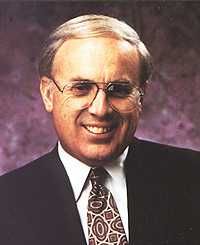
In the sermon titled "Questions & Answers #47," Pastor John MacArthur addresses several key theological topics, emphasizing doctrines important to Reformed Christianity. A primary focus is the nature of salvation and assurance, particularly regarding the doctrine of penal substitution, which is essential for understanding how believers are reconciled to God while maintaining His holiness and justice. He elucidates this through Scripture references that underscore the significance of God's love, the necessity of regeneration, and the implications of Christ's atonement—both particular and effective. Practical applications drawn from his teachings encourage believers to understand the permanence of their salvation, foster deep affections towards Christ, and promote a strong theological foundation that leads to a life marked by love, humility, and righteousness.
Key Quotes
“The ability to rise high in worship is directly correlated to your ability to go deep in understanding the nature of God.”
“God is under no obligation to answer the prayer of an unbeliever. He has no relationship; He is bound by nothing.”
“Penal substitution says, God is so holy, every sin will be punished... That punishment falls on His Son.”
“It’s not the perfection of your life that demonstrates your salvation, it’s the direction.”
Past guilt can linger due to our memories, but over time, they will fade as we grow in Christ.
The Bible indicates that feeling guilt after salvation is not uncommon. Regeneration through Christ makes us new creations, yet we remain in flesh, which holds onto memories of past sins. These memories may be vivid due to the heightened emotions surrounding those experiences. However, as you grow in grace and in the knowledge of Christ, these memories can fade, transforming your view of the past. It's important to remember that while you may never forget your sins, you are no longer defined by them in Christ.
2 Corinthians 5:17, Romans 12:2
It reveals why Christ had to die, showing God’s justice and holiness in the process of reconciliation.
Understanding penal substitution is vital to the Christian faith as it answers the critical question of how a holy God can forgive sinners without compromising His justice. Penal substitution teaches that every sin merits punishment, and Christ took this punishment on behalf of believers. If we dismiss this doctrine, we fail to grasp how God maintains His holiness while being the justifier of those He saves. Essentially, penal substitution underscores the depth of God’s love and the seriousness of sin, focusing on the necessity of Christ’s sacrificial death for reconciliation with God.
2 Corinthians 5:21, Romans 3:26
No, Christians cannot be demon-possessed as they are indwelt by the Holy Spirit.
Christians cannot be demon-possessed because, as believers, they are the temple of the Holy Spirit and have been redeemed by Christ. Greater is He that is in you than he who is in the world, indicating that the Holy Spirit is far more powerful than any demonic influence. While demons can still operate in the world and may tempt or distract believers, they cannot reside within those who are in Christ. Believers wrestle against spiritual forces but are secure in their identity and standing in Christ.
1 John 4:4, 2 Corinthians 1:22
Fearing the Lord means having a profound respect and reverence for His holiness and authority.
Fearing the Lord encapsulates a deep, loving reverence and adoration for God. It acknowledges His majesty, holiness, and justice, knowing that the beginning of wisdom comes from this fear. The more a person understands God's character as revealed in Scripture, the greater their awe and wonder towards Him. It is the heart's expression of recognizing God's sovereignty and an acknowledgment that leads to worship and devotion. The fear of the Lord compels believers to live righteously and seek closeness with Him.
Proverbs 9:10, Psalm 111:10
Comments
Your comment has been submitted and is awaiting moderation. Once approved, it will appear on this page.
Be the first to comment!
