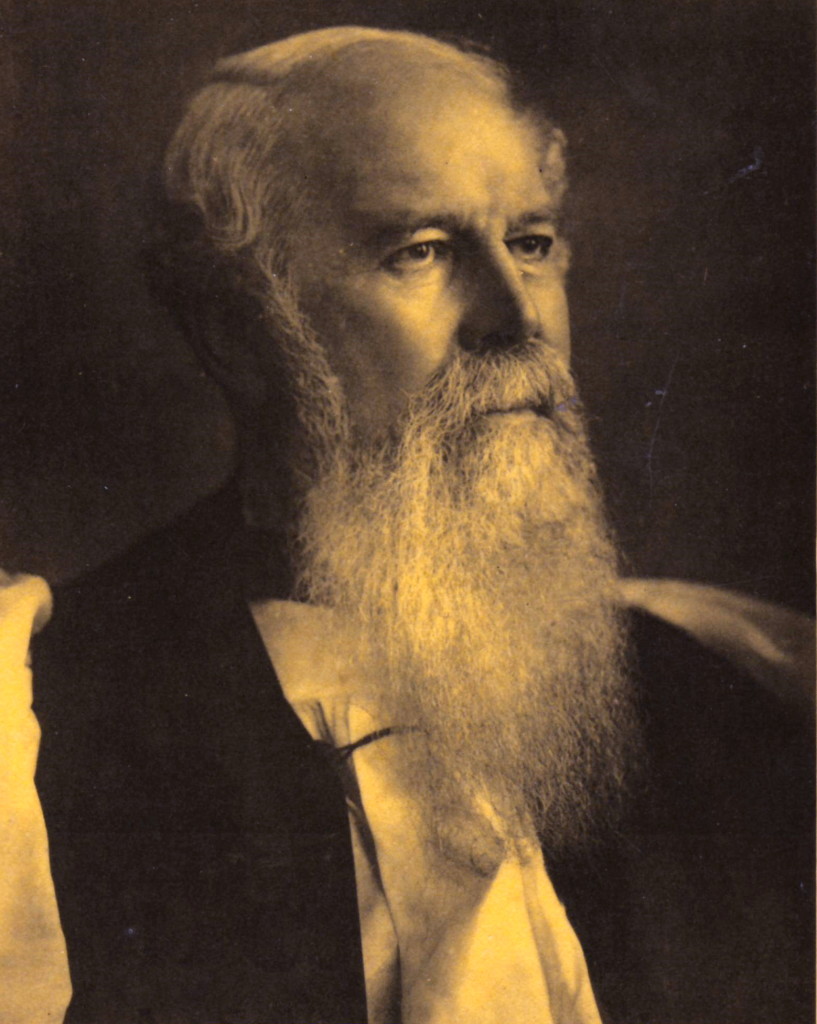
Simplicity in Preaching
1 Timothy 4; Ecclesiastes 12:12-13
J.C. Ryle's sermon, "Simplicity in Preaching," addresses the importance of simplicity in both content and style for effective preaching. He argues that a clear understanding of Scripture is essential to achieving simplicity, encouraging preachers to avoid complex texts and accommodate their messages through plain language and well-structured compositions. Ryle cites Ecclesiastes 12:12, emphasizing that many written works on preaching complicate rather than clarify the task. Practical significance lies in the assertion that sermons must be both understandable and engaging to impact congregants meaningfully, reflecting the Reformed emphasis on Scripture’s clarity for all believers (1 Timothy 4:13-16).
“Unless you are simple in your sermons, you will never be understood, and unless you are understood, you cannot do good to those who hear you.”
“To make hard things seem hard... is within the reach of all, but to make hard things seem easy and intelligible is a height attained by very few speakers.”
“Simplicity in your style of composition depends very much upon the proper use of proverbs and epigrammatic sentences.”
“All the simplicity in the world is useless without prayer for the outpouring of the Holy Spirit and the grant of God's blessing.”
The Bible emphasizes clear communication, urging preachers to ensure their sermons are understandable to all, as seen in Ecclesiastes 12:12.
Ecclesiastes 12:12
Simplicity in preaching is vital for ensuring that messages are understood and impactful, as supported by teachings in 1 Timothy 4.
1 Timothy 4
Clear communication allows Christians to understand and apply biblical truths in their lives.
1 Timothy 4; Ecclesiastes 12:12
Preachers can achieve simplicity by thoroughly understanding their subject, using plain language, and organizing their thoughts clearly.
1 Timothy 4; Ecclesiastes 12:12
Auto-generated transcript • May contain errors

Comments
Your comment has been submitted and is awaiting moderation. Once approved, it will appear on this page.
Be the first to comment!