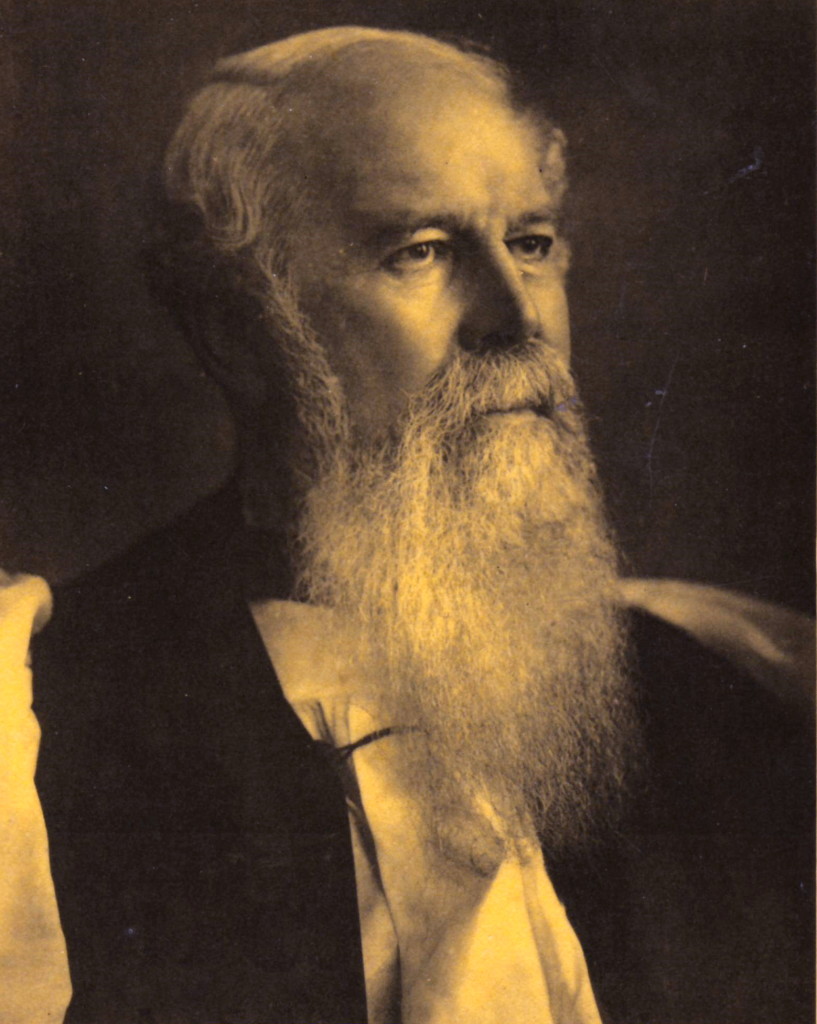
In this sermon, J. C. Ryle addresses the theological topic of the parable of the Great Supper in Matthew 22:1-14, emphasizing the nature of God's kingdom and the invitation extended to all for salvation. Ryle argues that this parable serves as a vivid illustration of God's grace, where the invitations to the wedding feast represent the gospel call that is freely offered, yet often rejected. He highlights key scriptural references such as Matthew 22:4, where the king proclaims that all things are ready, reflecting the sufficiency of Christ's atonement, and Matthew 22:14, underscoring that while many are called, few are chosen—pointing to the doctrine of the elect. The practical significance of this sermon warns against indifference to the gospel and stresses the necessity of earnest self-examination regarding one's standing before God, asserting that true faith must be manifest in one’s life to secure a place at the marriage feast.
Key Quotes
“The Gospel, in short, is an offer of food to the hungry, joy to the mourner, a home to the outcast, a loving friend to the lost.”
“God will be found clear of the blood of all lost souls. The gospel always speaks of sinners as responsible and accountable beings.”
“Let us search our own hearts, and take heed that it is not our own. Open sin may kill its thousands, but indifference and neglect of the gospel kill their tens of thousands.”
“The unerring eye of God will discern who are his own people and who are not. Nothing but true faith shall abide the fire of his judgment.”
The wedding garment symbolizes righteousness and being properly prepared for God's kingdom.
In Matthew 22, the parable of the wedding feast illustrates the importance of being prepared for the invitation to the Gospel. The man without the wedding garment represents those who may outwardly participate in religious activities but lack true faith and righteousness. The wedding garment signifies one’s need to be clothed in the righteousness of Christ, as true believers are made worthy to enter God's kingdom through faith. Those who enter without this preparation will face eternal separation from God, as evidenced by the king's severe judgment, indicating that not all who are called will be chosen.
Matthew 22:11-14
This principle highlights the distinction between God's general call to all and His specific choice of those who respond in faith.
The assertion that 'many are called, but few are chosen' reflects the sovereign grace of God in salvation. In the parable of the great supper, we see God's desire to invite all to His feast, yet only those who accept His call in accordance with His divine will are chosen. This underscores the necessity of regeneration and the effectual work of the Holy Spirit in bringing individuals to true faith. God's sovereignty ensures that His chosen ones respond to the invitation in faith, demonstrating that salvation is rooted not in human choice but in God's sovereign grace.
Matthew 22:14
The Gospel invitation extends hope and salvation to all, emphasizing God's love and the necessity of faith.
The invitation of the Gospel is vital because it reveals God's desire for all people to partake in the blessings of salvation. It emphasizes that God's grace is sufficient for everyone, creating a wide offer for sinners to come to Him. This invitation is not just an opportunity but also a call to recognize one's dire need for salvation and to respond in faith. The Gospel encompasses pardon, peace, and hope, essential for the believer’s spiritual sustenance. Thus, sharing this glorious invitation is crucial for Christians, as it conveys the heart of God towards humanity and the abundant life available through faith in Christ.
Matthew 22:9-10
Christians should receive the Gospel with faith and allow it to transform their lives.
In response to the offer of salvation, Christians are called to believe in the Gospel wholeheartedly. This involves recognizing one's own sinfulness and the necessity of Christ’s atoning sacrifice. The salvation God offers is not merely for information but demands a heartfelt acceptance leading to transformation and repentance. This implies an active faith—living in light of the grace received, which brings about the fruits of the Spirit in the believer's life. Ultimately, the response to the Gospel should be a continuous journey of faith, growth in grace, and participation in God’s kingdom work as evidence of true faith.
John 1:12, Ephesians 2:8-9
Comments
Your comment has been submitted and is awaiting moderation. Once approved, it will appear on this page.
Be the first to comment!
