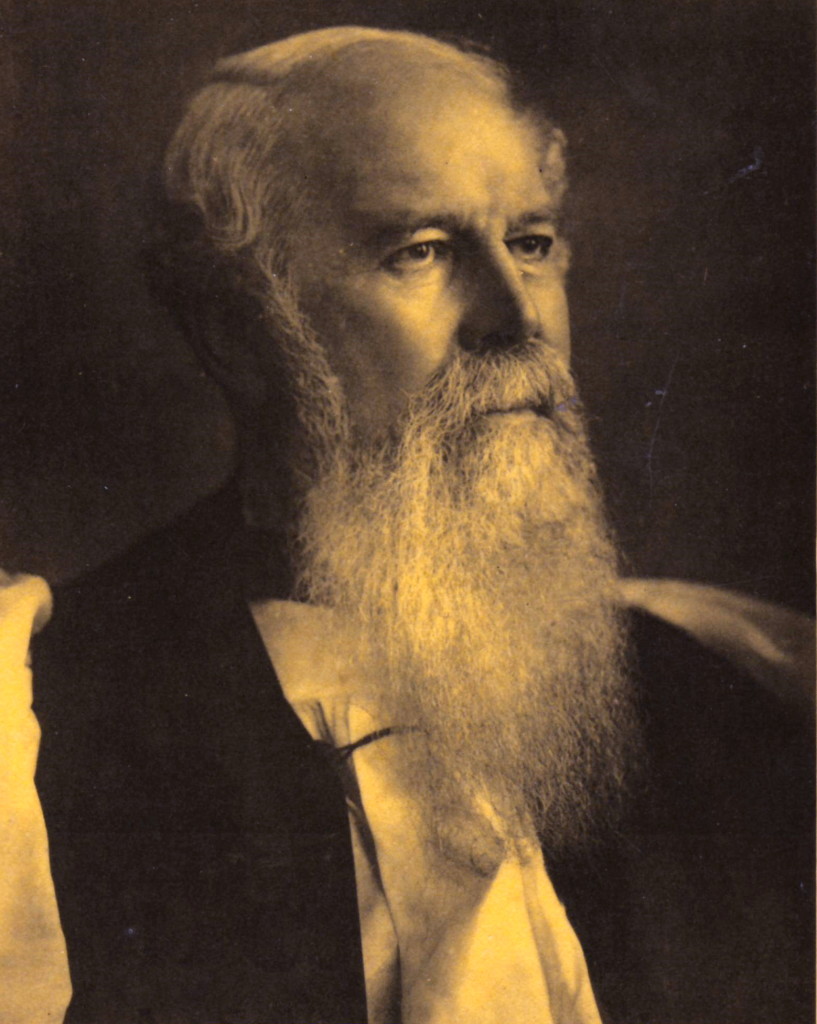
In J. C. Ryle's exposition of Matthew 5, the primary theological topic addressed is the nature and character of true discipleship as exemplified in the Beatitudes and the teachings of Christ on love, humility, and righteousness. Ryle emphasizes that Jesus calls blessed those who embody qualities like meekness, mercy, and thirst for righteousness, revolutionizing common perceptions of blessedness. He consistently refers back to scriptural examples, such as Psalm 17:15 and Revelation 5:10, to reinforce the connection between the state of one’s heart and the resulting spiritual fruit. The practical significance of these teachings is profound; they not only outline the moral foundations of the Christian life but also challenge believers to pursue a higher standard of personal holiness and active love that mirrors the character of God, contrasting it with the worldly values that often creep into church life.
“Humility is the very first letter in the alphabet of Christianity. We must begin low if we would build high.”
“We must dare to be singular and unlike the world if we mean to be saved.”
“It is the neglect of the things which it contains by which our religion is deformed. Unfailing courtesy, kindness, tenderness, and consideration for others are some of the greatest ornaments to the character of the child of God.”
“True religion has the directly contrary effect. It tends to promote peace, and charity, and kindness, and goodwill among men.”
The Beatitudes, found in Matthew 5:1-12, outline the characteristics of those who are spiritually blessed by God.
Matthew 5:1-12
Christ’s teachings fulfill and elevate the moral standards of the Old Testament law, as shown in Matthew 5.
Matthew 5:17-20
Mercy is essential for Christians as it reflects God’s character and is key to our own spiritual blessing.
Matthew 5:7
A peacemaker, as described in Matthew 5, is someone who actively works to promote peace and goodwill among others.
Matthew 5:9
Auto-generated transcript • May contain errors

Comments
Your comment has been submitted and is awaiting moderation. Once approved, it will appear on this page.
Be the first to comment!