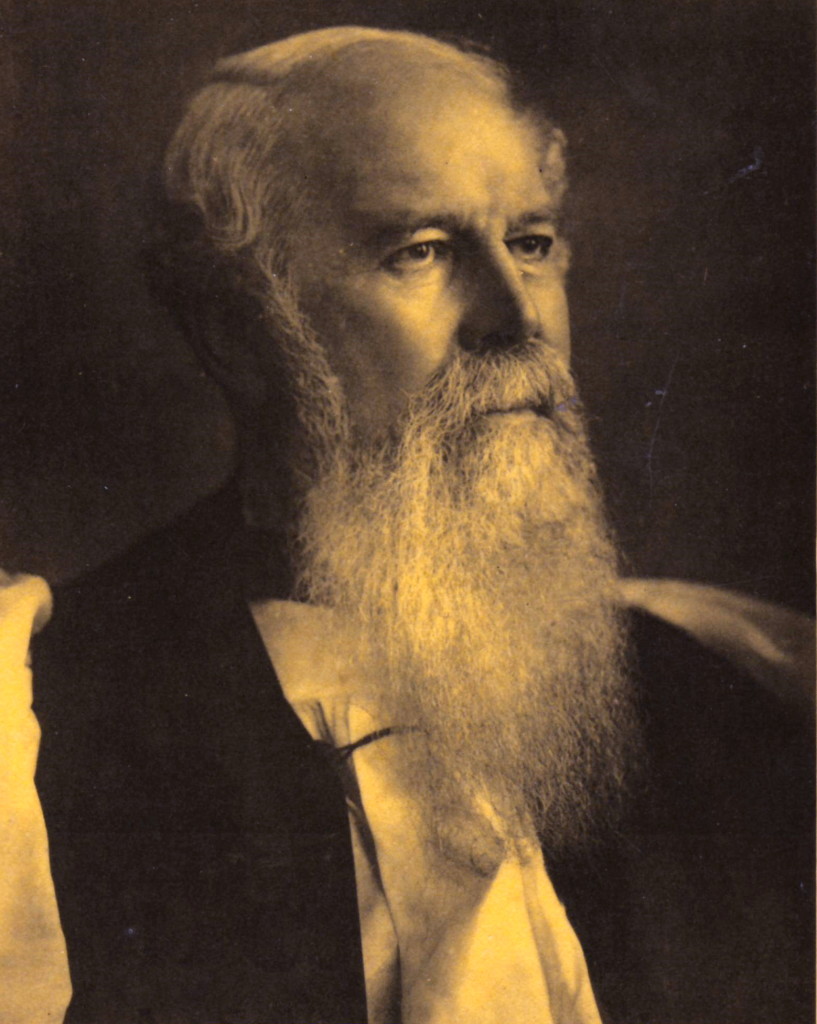
J.C. Ryle's sermon on Zechariah's Song draws attention to the fulfillment of God's redemptive promises through the coming of Christ, as recorded in Luke 1:67-80. The key theological points emphasize Zechariah's profound thankfulness for the impending arrival of the Messiah and the significance of God's faithfulness to His covenant, particularly to Abraham. Ryle references various passages in Luke, highlighting how God has "visited and redeemed his people," affirming His intentions to fulfill His word as delivered through the prophets. The practical significance of the sermon lies in urging believers to recognize their privileges under the New Covenant, embrace God's promises, and live in holiness, thereby serving Him without fear, as they await the fulfillment of His kingdom.
Key Quotes
“Blessed be the Lord God of Israel for he hath visited and redeemed his people.”
“Let us learn to rest on promises and embrace them just as Zachariah did.”
“Their final glory is secured by divine promise.”
“Let us never rest until we are experimentally acquainted with them.”
The Bible emphasizes that God's promises are sure and will be fulfilled, as seen in Zechariah's proclamation in Luke 1.
The Scriptures affirm that God's promises are reliable and trustworthy, as highlighted in Zechariah's song where he acknowledges God's faithfulness to His covenant. In Luke 1:68-70, Zechariah praises God for visiting and redeeming His people, fulfilling the ancient promises made to the fathers of the faith. He emphasizes that these promises, rooted in God's covenant with Abraham, are as good as fulfilled because God is faithful and does not lie. This assurance gives believers today confidence in God's unchanging nature and the certainty of His future promises.
Luke 1:68-70, Genesis 15:1-6
Salvation is described as a work of grace in Scripture, as Zechariah proclaims the remission of sins through God's mercy.
In Zechariah's song recorded in Luke 1:77-79, he speaks of salvation that involves the remission of sins and is entirely based on God's grace and mercy. This grace is central to the message of the New Testament, where salvation is not earned but given to those who believe, as articulated in Ephesians 2:8-9. When we understand that salvation is not a human achievement but a divine gift, it shifts our focus from our own efforts to Christ's finished work on the cross, assuring us that it is His grace that sustains us in our spiritual journey.
Luke 1:77-79, Ephesians 2:8-9
The promise of the Messiah underscores God's plan of redemption and hope for believers throughout history.
The promise of the Messiah is a cornerstone of Christian faith, as it signifies God's commitment to redeem His people and restore them to fellowship. Zechariah's song in Luke 1:67-80 illustrates this importance by linking the birth of John the Baptist to the fulfillment of ancient prophecies regarding the coming Savior. This promise gives Christians profound assurance, reminding us that God is actively involved in our redemption story. It also serves as a reminder of the hope that comes from believing in the eventual return of Christ and the completion of His kingdom, as He reigns forever in righteousness and peace.
Luke 1:67-80, Isaiah 9:6-7
Zechariah's song exemplifies a heart of gratitude and recognition of God's mercies in worship.
In Luke 1:67-80, Zechariah's song serves as a profound model of worship, expressing deep thankfulness for God's redemptive work. His initial words, 'Blessed be the Lord,' set a tone of reverence and gratitude. Worship, as demonstrated by Zechariah, involves acknowledging God's faithfulness, recalling His promises, and celebrating the fulfillment of His word through Jesus Christ. This perspective encourages Christians to engage in worship not merely as ritual but as a heartfelt response to God's grace and mercy. It also challenges us to ensure our worship reflects a deep understanding of and gratitude for the realities of our salvation and relationship with God.
Luke 1:67-80, Psalm 100:1-5
Comments
Your comment has been submitted and is awaiting moderation. Once approved, it will appear on this page.
Be the first to comment!
