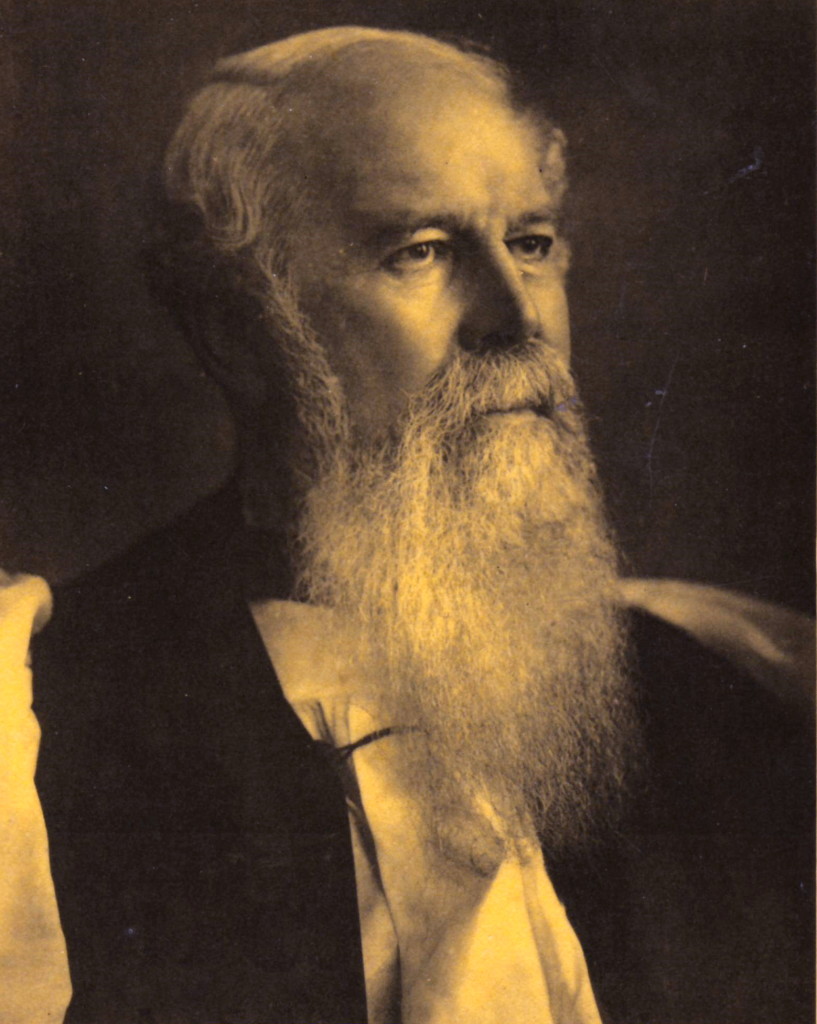
011. The Birth of Christ at Bethlehem, Luke 2:1-7
Luke 2:1-7
J.C. Ryle's sermon on the birth of Christ in Luke 2:1-7 focuses on the miraculous incarnation of Jesus, emphasizing its significance in God's redemptive plan. Ryle articulates that the timing and location of Christ's birth were sovereignly orchestrated by God, as seen through historical context such as the decree by Caesar Augustus, which fulfilled prophecy and showcased divine providence (Micah 5:2; Romans 5:6). He stresses the humility of Christ's birth, as He was laid in a manger instead of a royal cradle, highlighting the theological concept of Christ’s condescension and the impact of His poverty on believers (2 Corinthians 8:9). The practical significance lies in the assurance of God's control over world events and the invitation to find comfort in His providence, especially amidst societal anxieties.
“Every birth of a living child is a marvelous event. But never since the world began was a birth so marvelous as the birth of Christ.”
“The heart of a believer should take comfort in the recollection of God's providential government of the world.”
“To become poor as the very poorest of mankind, and lowly as the very lowliest—this is a love that passes knowledge.”
“Let us never be ashamed of the affliction of poverty if God thinks fit to lay it upon us.”
The Bible describes the birth of Christ as a miraculous event in Luke 2:1-7, where God is manifest in the flesh.
Luke 2:1-7, Micah 5:2, 1 Timothy 3:16
Christ's birth was orchestrated by divine providence, as seen in the historical context established by the decree of Caesar Augustus.
Micah 5:2, Romans 5:6
The humble circumstances of Christ's birth highlight His condescension and identify Him with the lowly.
2 Corinthians 8:9
Prophecies related to Christ's birth affirm the truth of Scripture and God’s faithful fulfillment of His promises.
Micah 5:2
Auto-generated transcript • May contain errors

Comments
Your comment has been submitted and is awaiting moderation. Once approved, it will appear on this page.
Be the first to comment!