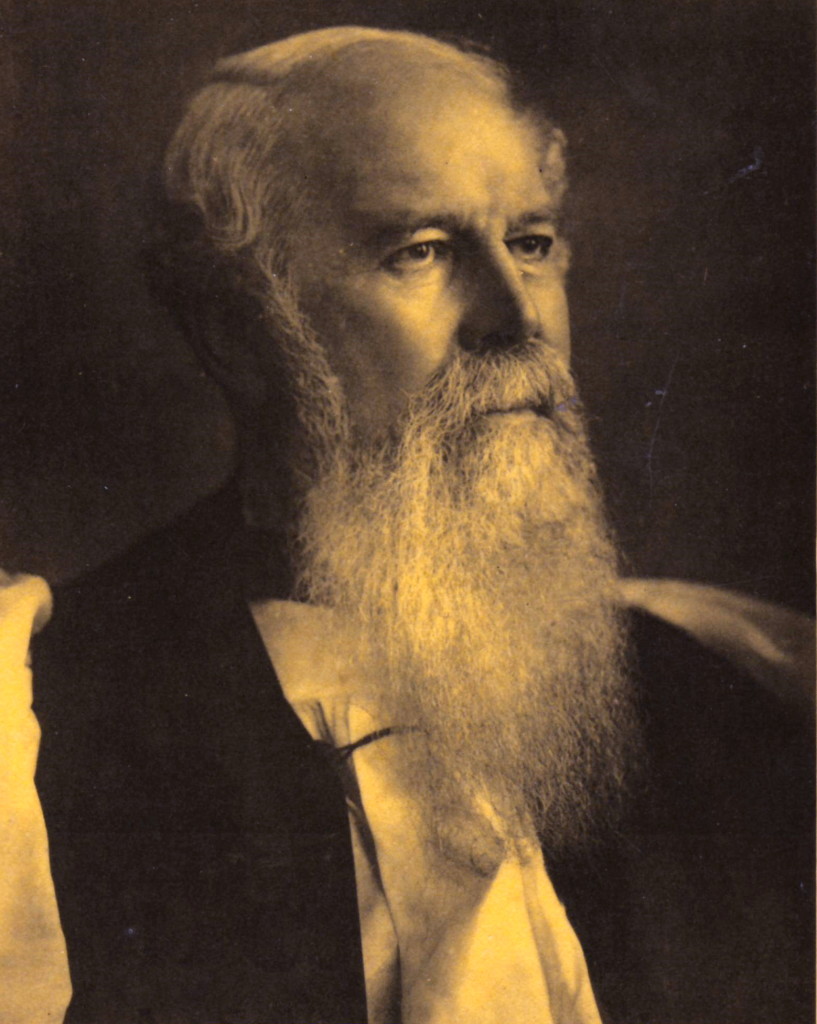
J.C. Ryle’s sermon, "Fasting and Wineskins," expounds on the theological distinctions between the practices of Jesus' disciples and those of John the Baptist and the Pharisees, focusing on the incompatibility of old and new religious practices. He argues that while there is agreement on essential doctrines—such as sin, salvation, and the necessity of faith—disagreements often arise over secondary practices like fasting. Ryle supports his argument with references to Luke 5:33-39, illustrating Jesus' assertion that the presence of the Bridegroom signifies a time for celebration rather than fasting, and emphasizing the need for a gradual introduction to new theological understandings, akin to new wine requiring new wineskins. The practical significance of this message lies in urging Christians to prioritize foundational truths of faith over secondary issues and to extend patience and gentleness towards newer believers as they grow in understanding.
Key Quotes
“We must make up our minds to see differences of this kind among Christians as long as the world stands.”
“What God has joined together, let no man put asunder.”
“In this world we may be poor and contemptible and laughed at because of our religion, but if we have saving faith, then we are precious in the sight of Christ.”
“There is a great need of wisdom in dealing with young people about religion, and generally speaking with all young disciples.”
The Bible indicates that fasting is important for spiritual discipline, especially in times of mourning or seeking God, as seen in Luke 5:33-39.
Fasting in the Bible often signifies a response to the absence of the Bridegroom, emphasizing a time for reflection and repentance. In Luke 5:33-39, Jesus indicates that His presence among His disciples is a time of celebration, not mourning. However, He acknowledges that a time will come when fasting will be appropriate, aligning with the principle of longing for spiritual closeness during His absence. This underscores fasting as a disciplined response of the heart seeking God’s presence when feeling distanced from Him.
Luke 5:33-39
Christ's teachings are true as they fulfill the Scriptures and align with the core of salvation, focusing on repentance and faith.
The truth of Christ's teachings can be substantiated through the fulfillment of Old Testament prophecies and His authoritative declarations on matters of the law and salvation. In His discourse about fasting in Luke 5:33-39, Jesus emphasizes the essential agreement between His teachings and those of John the Baptist, thus showcasing a continuity in the revelation of God’s plan. Furthermore, the core of salvation in Christ rests on the necessity of repentance and faith, which has been affirmed by countless lives transformed by the gospel throughout history, providing further evidence of its truth.
Luke 5:33-39
Jesus as the Bridegroom signifies His deep love and intimate union with believers, offering comfort and assurance.
The metaphor of Jesus as the Bridegroom is profoundly significant as it illustrates the tender relationship between Christ and His Church. This name conveys a love that is comforting and deep, portraying the closeness and commitment that He has towards His followers. In essence, believers are united with Christ in a way akin to the sacred union of marriage, wherein they share in His righteousness and eternal promises. This union assures Christians of their value and worth, reminding them that even in their weaknesses, they are precious to Him and will be upheld by His grace.
Luke 5:33-39
Christians should approach disagreements in practices with humility, focusing on core beliefs while allowing for diversity in secondary matters.
Acknowledging that Christians may not always agree on practices such as fasting is essential in recognizing the complexities of human interpretation and tradition. In Luke 5:33-39, the differing practices of John’s disciples and Jesus’ disciples showcase how various interpretations can coexist among believers. While the core beliefs of faith, repentance, and holiness remain pivotal, Christians are reminded to prioritize unity in these essential doctrines over secondary matters. Such an approach facilitates growth and understanding amid diversity, prompting believers to engage with one another in love and grace.
Luke 5:33-39
Patience is vital in mentoring new believers, allowing them the time to grow in faith without overwhelming them.
Patience is crucial when mentoring new believers as they require time to mature spiritually. In Luke 5:33-39, the parables about new wine and old wineskins illustrate that it is impractical to expect immediate growth or full maturity in faith. New believers, like infants, need nurturing and gradual instruction; hastening their growth may lead to discouragement and harm. By exercising patience, Christians foster an environment where young souls can develop their faith, understanding the foundational truths of the gospel and eventually becoming strong witnesses for Christ without undue pressure or judgment.
Luke 5:33-39
Comments
Your comment has been submitted and is awaiting moderation. Once approved, it will appear on this page.
Be the first to comment!
