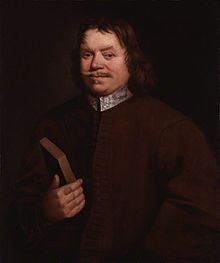
The sermon "Vanity Fair" by John Bunyan addresses the theological theme of worldly temptation versus the pursuit of truth in the Christian pilgrimage. Bunyan illustrates the town of Vanity and its fair, which symbolizes the distractions and vanities that oppose the true journey toward the Celestial City. Key arguments include the historical roots of Vanity Fair as a scheme by evil forces to entice pilgrims away from their spiritual paths, the distinctiveness of the pilgrims' lifestyle and language, and the ultimate rejection of worldly goods for the pursuit of truth, as exemplified by the statement, "We buy the truth." Scripture references, particularly 1 Peter 2:11, emphasize the notion of Christians being strangers and pilgrims in this world, while Matthew 7:13-14 underscores the narrow path leading to life. The sermon’s practical significance lies in its call for believers to persevere in faith despite societal mockery and persecution, encouraging them to reject the temptations of this world in favor of eternal truth and relationship with Christ.
“Turn away my eyes from beholding vanity, and look upwards, signifying that their desires and concerns were in heaven.”
“We buy the truth.”
“Those who were won over to our sentiments were won by beholding our truth and innocence.”
“For though they killed you, you are yet alive.”
The Bible teaches that vanity is meaningless and ultimately leads to spiritual emptiness, as expressed in Ecclesiastes 1:2.
Ecclesiastes 1:2
Truth is essential for Christians as it aligns with God's revelation and guides their path toward salvation.
John 14:6
Sovereign Grace's truth is supported by Scripture that emphasizes God's sovereignty in salvation, such as in Ephesians 1:4-5.
Ephesians 1:4-5
Suffering refines faith and is a means through which Christians grow closer to God and bear witness to His truth.
Romans 5:3-5
The world rejects Christians because of their allegiance to God's truth, which often contradicts worldly values.
John 15:18-19
Auto-generated transcript • May contain errors

Comments
Your comment has been submitted and is awaiting moderation. Once approved, it will appear on this page.
Be the first to comment!