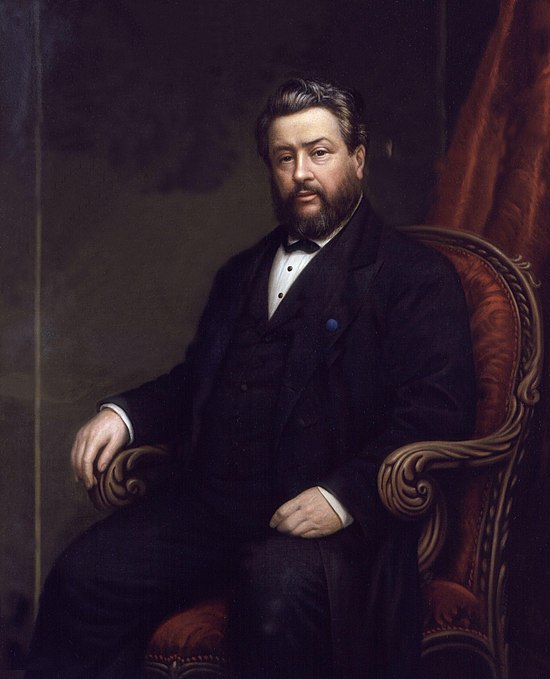
In C. H. Spurgeon's sermon "Holiness Demanded," the primary theological topic is the necessity of holiness in the life of a believer, drawing from Hebrews 12:14, which asserts that "without holiness, no one will see the Lord." Spurgeon argues against the antinomian view that imputed holiness suffices, contending instead that the Scripture demands a practical holiness that must be actively pursued. He clarifies that this holiness involves an inward transformation leading to outward behavior that aligns with God's will. The sermon highlights several categories of individuals (Pharisees, moralists, experimentalists, and opinionists) who fail to understand or practice true holiness, emphasizing its critical role in both current communion with God and eternal fellowship in heaven. The significance of this teaching lies in its call for sincere self-examination among Christians to ensure their faith is evidenced by a genuinely holy life.
“Without holiness, no one will see the Lord.”
“Holiness that the text is speaking about is another kind of holiness. It is, in fact, a practical, vital holiness which is the clear intention of this warning of Scripture.”
“You cannot see God until your heart is changed, until your nature is renewed.”
“Without holiness, you may perish as well with true doctrines as with false, if you pervert the true doctrine into moral depravity.”
The Bible asserts that without holiness, no one will see the Lord (Hebrews 12:14).
Hebrews 12:14
Holiness is evidenced by a life that is transformed by the Spirit to reflect God's character.
Matthew 17:20
Holiness is crucial for Christians as it is essential for seeing and being in communion with the Lord.
Hebrews 12:14
Signs of holiness include a longing to please God, a struggle against sin, and loving obedience.
1 Peter 1:15-16
Auto-generated transcript • May contain errors

Comments
Your comment has been submitted and is awaiting moderation. Once approved, it will appear on this page.
Be the first to comment!