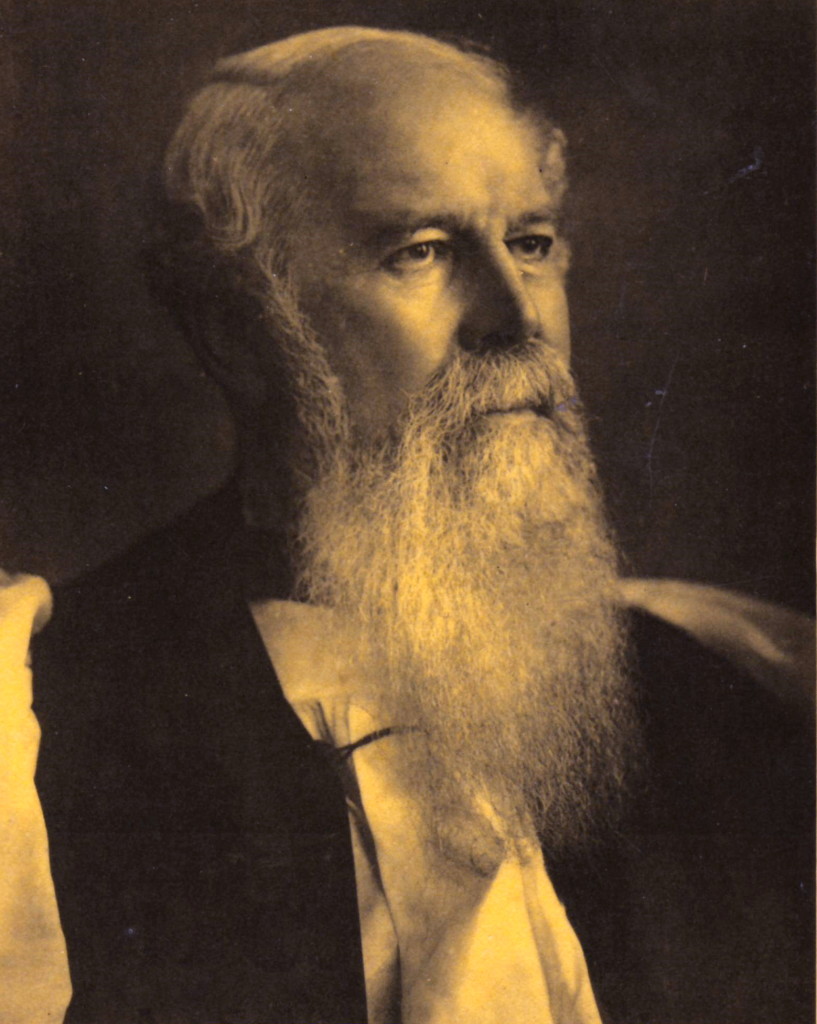
J.C. Ryle’s sermon on "Holiness" emphasizes the critical doctrine of practical holiness as essential for every believer’s life, arguing that without it, no one shall see the Lord (Hebrews 12:14). Ryle explores the nature of true holiness, contending that it is not merely external adherence to religious forms, knowledge, or morality, but involves a deep agreement with God's will, a heartfelt obedience to His commands, and a commitment to be transformed into the image of Christ. He substantiates his arguments with Scripture, referencing Romans 12 to illustrate the necessity of offering oneself as a living sacrifice and Romans 8 to affirm that believers are to be conformed to Christ's image. Ryle underscores the practical significance of holiness, stating that it reflects genuine faith, prepares one for heaven, bolsters one's spiritual comfort, and serves as a powerful witness to others about God's transformative grace.
Key Quotes
“Without holiness no man shall see the Lord.”
“Holiness is the habit of being of one mind with God, according as we find his mind described in scripture.”
“True holiness is a great reality. It is something in a man that can be seen and known and marked and felt by all around him.”
“To talk of men being saved from the guilt of sin, without being at the same time saved from its dominion in their hearts, is to contradict the witness of all Scripture.”
The Bible teaches that without holiness, no one will see the Lord (Hebrews 12:14).
Holiness is a crucial aspect of the Christian faith as emphasized in Hebrews 12:14, which states, 'Follow peace with all men, and holiness, without which no man shall see the Lord.' True holiness involves being of one mind with God, shunning sin, and striving to live according to God's will. Throughout scripture, holiness is highlighted as essential to a believer's relationship with God, emphasizing that it is not merely a suggestion but a command from God to His people.
Hebrews 12:14, 1 Peter 1:15-16, Matthew 5:48
Holiness is evidenced through a life transformed by faith in Christ, showing its fruits (James 2:17).
The authenticity of holiness can be discerned through the transformation it brings in a believer's life. In James 2:17, it is written, 'Even so faith, if it hath not works, is dead, being alone.' This underscores that true holiness will manifest itself through good works that naturally stem from a lively faith in Jesus Christ. Moreover, the scriptures also affirm that believers are called to be holy as God is holy (1 Peter 1:15-16), thereby indicating that a holy life is characteristic of true faith in Christ.
James 2:17, 1 Peter 1:15-16, Matthew 7:20
Holiness is essential for Christians as it reflects God's character and is necessary for seeing the Lord (Hebrews 12:14).
Holiness is important for Christians for several reasons outlined in scripture. Primarily, it is a command from God, as stated in 1 Peter 1:16, 'Be ye holy; for I am holy.' Additionally, holiness signifies that we are living in accordance with the nature of Christ, and it serves as evidence of true faith (Ephesians 5:8). The lack of holiness compromises our witness and the joy of our salvation, as true comfort in Christ is closely tied to our pursuit of holiness (1 John 2:3-5). Ultimately, without holiness, as Hebrews 12:14 warns, no one shall see the Lord.
Hebrews 12:14, 1 Peter 1:16, Ephesians 5:8, 1 John 2:3-5
Holiness is attained through a vital union with Christ and dependence on the Holy Spirit.
To attain holiness, one must start by coming to Christ, who is the source of holiness. As stated in John 15:5, 'Without me ye can do nothing.' A true union with Christ through faith allows the believer to partake in His divine nature, helping them to live a life that reflects holiness. The work of sanctification is undertaken by the Holy Spirit, and thus, continuous dependence on Him through prayer and the study of scripture is essential. As believers abide in Christ, they will naturally produce the fruit of holiness in their lives, as Paul encourages us in Colossians 2:6-7.
John 15:5, Colossians 2:6-7, Romans 8:13

Comments
Your comment has been submitted and is awaiting moderation. Once approved, it will appear on this page.
Be the first to comment!