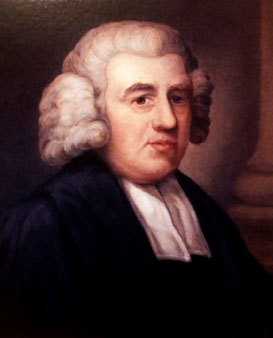
What a believer would do -- if he could
Galatians 5:17; Romans 7
In his sermon titled “What a believer would do -- if he could,” John Newton explores the tension that exists between a believer's desires and their actual spiritual attainments, primarily drawing on Galatians 5:17 and Romans 7. Newton argues that while believers are given a divine desire to pursue holiness and intimacy with God, they frequently encounter profound limitations due to their indwelling sin. He emphasizes that even the strongest believers experience a mortifying inability to act on their earnest desires, leading to feelings of shame and humility. He reassures his audience that these struggles are intended to drive believers away from self-reliance and toward a deeper dependence on Christ as their righteousness and sanctification. Newton asserts that acknowledging personal weaknesses ultimately glorifies God, as it cultivates reliance on His grace and prepares believers for the hope of transformation in glory.
“Their best desires are weak and ineffectual, not absolutely so, but in comparison with the noble mark at which they aim.”
“How often does he find this privilege to be a mere task, which he would be glad of a just excuse to omit, and the chief pleasure he derives from the performance is to think that his task is finished.”
“We are not under the law, but under grace. And even these distressing effects of the remnants of indwelling sin are overruled for good.”
“When we see Jesus, we shall be transformed into his image and be done with sin and sorrow forever.”
The Bible teaches that the flesh lusts against the Spirit, creating a conflict that hinders believers from doing what they desire (Galatians 5:17).
Galatians 5:17
Prayer is vital for Christians because it is a duty and a privilege that allows intimate communion with God (1 Thessalonians 5:17).
1 Thessalonians 5:17
Struggling with sin humbles us and teaches us to rely more on God's grace and strength (2 Corinthians 12:9).
2 Corinthians 12:9
Auto-generated transcript • May contain errors

Comments
Your comment has been submitted and is awaiting moderation. Once approved, it will appear on this page.
Be the first to comment!