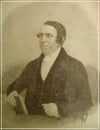
James Smith's sermon, "He never thought that he would sink into Hell," grapples with the urgency of one's eternal state in light of the reality of sudden death. The preacher emphasizes the unpredictability of life and the critical need for self-examination regarding one's spiritual condition and assurance of salvation. Key scriptural references include Revelation 21 and Revelation 22, which serve to illustrate the stark contrasts between eternal glory for the believer and eternal torment for the unredeemed, underscoring the necessity of being truly born again as taught by Scripture. The practical significance lies in urging individuals to reflect on their salvation status, challenging them to ensure they are genuinely in Christ to avoid the dire consequences of eternal separation from Him.
“Death has a voice. It is sent with a message to us. It says, I am coming for you soon. Be ready.”
“Without the new birth there can be no salvation.”
“If I die suddenly, and die unholy, and unsaved, how dreadful even the supposition! But what must the reality be?”
“Therefore, make your calling and your election sure.”
The Bible warns us about the suddenness of death and the certainty of judgment, emphasizing the need for readiness.
Revelation 21; Revelation 22
We can know we are born again by examining our faith in Christ and the evidence of transformation in our lives.
John 3:3-7
Considering the reality of hell reinforces the urgency of evangelism and the importance of personal salvation.
Luke 16:19-31
Auto-generated transcript • May contain errors

Comments
Your comment has been submitted and is awaiting moderation. Once approved, it will appear on this page.
Be the first to comment!