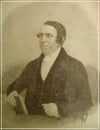
In James Smith's sermon "How Long Will You Love Vanity?", the main theological doctrine addressed is the human tendency towards sin and vanity in contrast with God's call to repentance and holiness. Smith argues that humanity's love for vanity—represented as sin and ephemeral pursuits—leads to spiritual destruction and separation from God. He references Psalm 4:2, which depicts God’s longing for His people to turn from their folly, and he emphasizes the harmful nature of prioritizing worldly pleasures over eternal truths, aligning with the Reformed doctrine of total depravity and the need for divine grace. The practical significance of this sermon lies in its urgent call for individuals to recognize the folly of their earthly loves and to embrace the life-affirming grace of God before it is too late.
“Man by nature sets his heart upon what is vain and worthless, that which is not suited to or required by his immortal nature.”
“What shall it profit a man if he gains the whole world and loses his own soul?”
“Beware then, beware, lest you rue your folly too late. Love vanity no longer.”
“No one ever came too soon. Thousands have delayed too long.”
The Bible warns against loving vanity, which represents the pursuit of worthless and temporary things rather than eternal truths.
Psalm 4:2, 1 John 2
Vanity leads to destruction as it distracts from the eternal truths of God and prioritizes temporary satisfaction.
Mark 8:36, James 4:4
Christians must flee from vanity to embrace true joy and fulfillment found in a relationship with God.
Hebrews 3:15, Matthew 7:13-14
Auto-generated transcript • May contain errors

Comments
Your comment has been submitted and is awaiting moderation. Once approved, it will appear on this page.
Be the first to comment!