Bootstrap
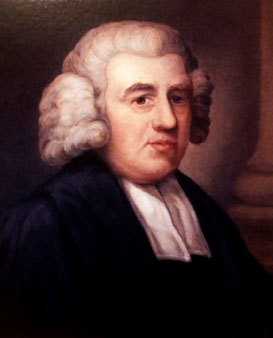
John Newton

Desires Unrealized

John Newton October, 4 2010 Audio
0 Comments
Puritan Devotional meditation prayer encouragement comfort uplifting Jesus trials Christian

John Newton’s sermon, "Desires Unrealized," addresses the inherent struggle within a Christian’s heart between their desires for holiness and their actual inability to fulfill those desires due to the remnants of sin. Newton effectively argues that while Christians possess a God-given yearning to pursue righteousness and intimacy with God, their fallen nature hamstrings them, leading to feelings of inadequacy and spiritual frustration. He references Galatians 5:17 to illustrate the conflict between the flesh and the spirit, emphasizing that this struggle is a common experience among believers, regardless of their spiritual maturity. The practical significance of this reality lies in the humbling recognition of one’s continual reliance on grace, which serves to deepen a Christian's appreciation for Christ’s redemptive work and fosters a longing for the perfect state to come in eternal life, where sin and sorrow are eradicated.

Key Quotes

“The Lord has given His people a desire and will aiming at great things... but they cannot do as they would.”

“He is dragged before God like a slave, and comes away like a thief.”

“How vain is man in his best estate! How much weakness and inconsistency, even in those whose hearts are right with the Lord!”

“The more vile we are in our own eyes, the more precious will Jesus be to us.”

What does the Bible say about human desires and weaknesses?

The Bible acknowledges that even the strongest Christians struggle with their desires and weaknesses, as stated in Galatians 5:17.

The Bible teaches that Christians, regardless of their spiritual strength, cannot fully act on their desires due to the presence of sin within them. Galatians 5:17 highlights this struggle as it describes how the flesh opposes the Spirit, leading to a continual battle within believers. This means that while Christians have God-given desires to seek Him and behave righteously, they often find themselves unable to fulfill these desires perfectly. Hence, this humbling truth reflects the ongoing need for grace throughout the Christian life.

Galatians 5:17

How do we know God's grace is sufficient for our failures?

God's grace is sufficient as it teaches believers to rely on Him for strength amidst their failures, as seen in Romans 5:20.

The sovereignty of God's grace is evident in the life of a believer, particularly regarding their failures. Romans 5:20 states that where sin abounds, grace abounds even more. This assurance helps Christians recognize that their shortcomings serve to highlight God's mercy and grace. As believers experience the distress of indwelling sin, they are reminded that it is not by their works, but by God's grace that they are saved and sustained. Therefore, the acknowledgment of one's failures is crucial in cultivating reliance on Christ's redemptive work.

Romans 5:20

Why is prayer important for Christians?

Prayer is vital as it allows believers to communicate with God, seeking His guidance and grace.

Prayer holds immense significance in the life of a Christian as it is a means of grace. It is where believers engage in intimate communion with God and lay their cares before Him. John Newton, in his reflections, notes that although prayer may often feel like a task, it is a believer's highest privilege. Through prayer, Christians gain access to divine wisdom and comfort that surpasses earthly counsel. Moreover, despite the struggle to engage in heartfelt prayer, the practice itself is a vital acknowledgment of dependence on God's grace and guidance.

Philippians 4:6-7

What does the Bible say about God's providence?

The Bible teaches that God's providence governs all events in creation for His glory and the good of His people.

Biblical doctrine affirms that God's providence is active in all circumstances, ensuring that everything unfolds according to His divine plan. Romans 8:28 reassures believers that 'all things work together for good to those who love God.' This means that even afflictions and trials are orchestrated by God's loving hand, ultimately leading to His glory and the believers' sanctification. Understanding and accepting God's providential care can transform how Christians respond to life's challenges, allowing them to trust in His wisdom, even when circumstances appear dire.

Romans 8:28

How can Christians deal with their sinful nature?

Christians deal with their sinful nature by relying on God's grace and the transformative power of the Holy Spirit.

Believers face a continuous battle with their sinful nature, which affects their desires and actions. Understanding Romans 7:18-19 sheds light on this struggle, showing that even the apostle Paul experienced an inability to do what was good due to sin's presence. However, the promise of the Gospel reassures Christians that they are not left in their struggle. The work of the Holy Spirit within them is a source of strength, enabling them to make progress in sanctification and to aspire to live out godly desires that glorify God.

Romans 7:18-19

Sermon Transcript

Auto-generated transcript • May contain errors

100%
DESIRES UNREALIZED
A LETTER BY JOHN NEWTON
WRITTEN IN 1772

YOU CANNOT DO THE THINGS THAT YOU WOULD.
GALATIANS 5 VERSE 17

THIS IS AN HUMBLING, BUT A JUST ACCOUNT OF A CHRISTIAN'S ATTAINMENTS IN THE PRESENT LIFE, AND IS EQUALLY APPLICABLE TO THE STRONGEST AND TO THE WEAKEST. The weakest need not say less, the strongest will hardly venture to say more.

The Lord has given His people a desire and will aiming at great things. Without this they would be unworthy the name of Christians, but they cannot do as they would. Their best desires are weak and ineffectual, not absolutely so, for He works in them to will, enables them in a measure to do likewise, but in comparison with the market which they aim. So that while they have great cause to be thankful for the desire He has given them, And for the degree in which it is answered, they have equal reason to be ashamed and abased under a sense of their continual defects, and evil mixtures which taint and debase their best endeavours.

It would be easy to make out a long list of particulars which a believer would do if he could, but in which, from first to last, he finds a mortifying inability. Permit me to mention a few, which I need not transcribe from books, for they are always present to my mind.

1. He would willingly enjoy God in prayer. He knows that prayer is his duty, but in his judgment he considers it likewise as his greatest honor and privilege. In this light he can recommend it to others, and can tell them of the wonderful condescension of the great God, who humbles himself to behold the things that are in heaven, that he should stoop so much lower, to afford his gracious ear to the supplications of sinful worms upon earth. He can bid them expect a pleasure in waiting upon the Lord, different in kind and greater in degree, than all that the world can afford. By prayer, he can say, you have liberty to cast all your cares upon him that cares for you. By one hour's intimate access to the throne of grace, where the Lord causes His glory to pass before the soul that seeks Him, you may acquire more true spiritual knowledge and comfort than by a day or week's converse with the best of men, or the most studious perusal of many folios, and in this light he would consider it and improve it for himself.

But alas, how seldom can he do as he would! How often does he find his privilege a mere task, which he would be glad of a just excuse to omit, and the chief pleasure he derives from the performance is to think that his task is finished. He has been drawing near to God with his lips, while his heart was far from him. Surely this is not doing as he would. To borrow the expression of an old woman here, he is dragged before God like a slave, and comes away like a thief.

2. The like may be said of reading the scriptures. He believes them to be the word of God. He admires the wisdom and grace of the doctrines, the beauty of the precepts. the richness and suitableness of the promises. And therefore with David he accounts it preferable to thousands of gold and silver, and sweeter than honey or the honeycomb. Yet while he thus thinks of it, and desires that it may dwell in him richly, and be his meditation night and day, he cannot do as he would. It will require some resolution to persist in reading a portion of it every day. And even then his heart is often less engaged than when reading a pamphlet. Here again his privilege frequently dwindles into a task. His appetite is vitiated so that he has but little relish for the food of his soul. Number three. He would willingly have abiding, admiring thoughts of the person and love of the Lord Jesus Christ. Glad he is, indeed, of those occasions which recall the Saviour to his mind, and with this view, notwithstanding all discouragements, he perseveres in attempting to pray and read, and waits upon ordinances. Yet he cannot do as he would. Whatever claims he may have to the exercise of gratitude and sensibility towards his fellow-creatures, he must confess himself mournfully, ungrateful, and insensible towards his best friend and benefactor.

Ah, what trifles are capable of shutting out of our thoughts of whom we say he is a beloved of our souls, who loved us and gave himself for us, In whom we have deliberately chosen as our chief good and portion. What can make us amends for the loss we suffer here? Yet surely if we could we would set him always before us. His love should be the delightful theme of our hearts. From morn to noon, from noon to dewy eve. But though we aim at this good, evil is present with us. We find we are renewed, but in part, and have still cause to plead the Lord's promise to take away the heart of stone and give us a heart of flesh.

4. He would willingly acquiesce in all the dispensations of divine providence. He believes that all events are under the direction of infinite wisdom and goodness, and shall surely issue in the glory of God, and the good of those who fear Him. He doubts not, but the hairs of his head are all numbered, that the blessings of every kind which he possesses were bestowed upon him, and are preserved to him by the bounty and special favour of the Lord whom he serves. That afflictions spring not out of the ground, but are fruits and tokens of divine love, no less than is comforts. There is a needs be, whenever for a season he is in heaviness. Of these principles he can no more doubt of what he sees with his eyes, and there are seasons when he thinks they will prove sufficient to reconcile him to the sharpest trials, but often when he aims to apply them in an hour of present distress, he cannot do what he would. He feels a law in his members warring against the law in his mind. So that in defiance of the clearest convictions, seeing as though he perceived not, he is ready to complain, murmur, and despond.

Alas, how vain is man in his best estate! How much weakness and inconsistency, even in those whose hearts are right with the Lord! And what reason have we to confess that we are unworthy, unprofitable servants? It were easy to enlarge in this way, would paper and time permit. But blessed be God, we are not under the law, but under grace. And even these distressing effects of the remnants of indwelling sin are overruled for good. By these experiences, a believer is weaned from self and taught more highly to prize and more absolutely to rely on Him who is appointed unto us of God, wisdom, righteousness, sanctification and redemption. The more vile we are in our own eyes, the more precious will Jesus be to us. A deep repeated sense of the evil of our hearts is necessary to preclude all boasting, and to make us willing to give the whole glory of our salvation where it is due.

Again a sense of these evils will, when hardly anything else can do it, reconcile us to the thoughts of death. Yes, make us desirous to depart that we may sin no more, since we find depravity so deep-rooted in our nature, that, like the leprous house, the whole fabric must be taken down before we can be freed from its defilement. Then and not until then we shall be able to do the things that we would. When we see Jesus, we shall be transformed into His image and have done with sin and sorrow forever.
John Newton
About John Newton
John Newton (1725-1807) was an English Anglican clergyman, staunch Calvinist, and abolitionist, most widely known for authoring the hymn Amazing Grace.
Broadcaster:

Comments

0 / 2000 characters
Comments are moderated before appearing.

Be the first to comment!

Joshua

Joshua

Shall we play a game? Ask me about articles, sermons, or theology from our library. I can also help you navigate the site.

0:00 0:00