Bootstrap
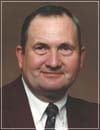
Carroll Poole

Worship

Acts 24:1-16
Carroll Poole February, 19 2023 Audio
0 Comments
Carroll Poole
Carroll Poole February, 19 2023

The sermon delivered by Carroll Poole focuses on the doctrine of worship, particularly how it is misinterpreted and practiced in contemporary settings compared to biblical principles. The preacher draws upon Acts 24:1-16 to highlight the apostle Paul’s defense against false accusations, emphasizing that true worship is centered on the sovereignty of God and foundational biblical truths. Key arguments include Paul's affirmation that he worships God by believing all Scripture and placing his hope in God's promises rather than human efforts. Poole asserts that genuine worship involves recognizing Christ's fulfillment of the Old Testament and articulates the importance of understanding resurrection and judgment as integral to Christian faith. The practical significance of this message lies in urging congregations to examine their own worship practices and motivations, ensuring that they are genuinely directed toward glorifying God rather than conforming to cultural expectations.

Key Quotes

“We're here not to boast in one another, but our boast is in the Lord.”

“They wanted to just leave [the Old Testament] history... but everything back there pointed to the coming of God's Son.”

“My hope is not in what I do for God, but in what He does for me and has done for me.”

“What these men call heresy. And what we preach at this church... is how I worship God.”

Sermon Transcript

Auto-generated transcript • May contain errors

100%
Millions are sitting in church
this morning throughout our country, especially, who got up, got dressed, went to church, came to church,
whichever be the case, with absolutely not a single
thought in their mind about worshiping God. but come to go through a form to say, I went
to see or to be seen both. And not a thought of worshiping
God. But I want to say that we're
here this morning, not to celebrate
ourselves. but to celebrate Him. We're here not to boast in one
another. And I could take a while and
brag on you all. And it'd be easy for me and you'd
like it. But we're here not to boast in
one another, but our boast is in the Lord. It's what the psalmist
said, our boast is in the Lord. He's the only one who done anything
right. If you've done anything right,
it was in Him, through Him, by Him, in His Spirit in you. But
so far as doing things on your own, He's the only one done anything
right. And we're met to worship Him. So that's the subject here. I'm doing something that I seldom
ever do. is I deliberately came without
any notes whatsoever. So I may stumble a little bit,
pause a little bit, to give you time to think, those of you that
have a mind to think, that is, as we wait before the Lord this
morning. Now, backing up. where brother
Darrell began reading Acts 24 verse one. The apostle Paul is being called
on the carpet again for the message he preaches. And we find here in verse one,
that it's religious folks called him on the carpet. Ananias, the high priest. Now bear in mind, this is the
book of Acts. This is after Christ has come,
lived, died, risen, ascended. It's after the day of Pentecost.
And in reality, this Old Testament office of the high priest has
been fulfilled in Jesus Christ. And yet these Jews Since they
rejected Christ, they hold on to that old covenant ways of
the hierarchy and the high priest and the elders. These are religious
heads in Israel and they are, have been instructed
by a They had taken Paul into custody, and they wanted to kill
him. But a Roman captain, commander,
called in the previous chapter the chief captain, Claudius Lysias. He, knowing that Paul was a Roman
citizen, He took him out of the hands of these religious Jews
who were angry with Paul and wanted to destroy him. One verse
says that they had to take him with violence. He had to. And told them, I'm taking him
to the governor, Felix, and you'll have to go if you want to and
file your complaints. Make your charges there before
Felix, the governor. And so that's what's happening
here. Religious folks. And still in
verse one, they appoint or employ or anyhow, they obtain a certain
orator named Tertullus. Orator meaning A man that has
a way with words. A man that knows how to make
a speech. Knows how to get the point across properly and, you
know, the way it should be. And so they take him for a spokesman,
the spokesman for the group. Verse two, and when he was called
forth, this is Paul the apostle, Tertullus began to accuse him. saying, he's talking to Felix,
the governor, but he's accusing Paul. And he starts with a very
proper, formal, complimentary statements to Felix,
the governor. And he says, seeing that by thee,
we enjoy great quietness. You've done a wonderful job of
keeping the peace. And that very worthy deeds are
done under this nation by thy providence. You've done good
things. Now these Jews didn't actually feel like that. This
is what's called flattery. Trying to get into good graces
in the favor of the governor, Felix. And they said, we accept it always.
And in all places, most noble Felix. Well, that, that puffer
fell up, wouldn't it? With all thankfulness, we're
really thankful for you and the way you have governed our land. Notwithstanding. However, there
is a more pressing matter that we hear about. And again, this oratory, he's
very tactful. Notwithstanding that I be not
further tedious unto thee, don't want to wear you, upset you or
anything, but I would pray thee, I beseech thee, I ask thee that
thou would hear us for a few minutes. And then in verse 5, he begins
to attack Paul. For we have found this man a
pestilent fellow. He's a pest. And a mover of sedition among
the Jews throughout all the world. He's a troublemaker. He stirs
up the people. And he's a ringleader of the sect of the Nazarenes. Sect meaning cult, false group
that wants to have their hearing.
And he's a ringleader. He's a troublemaker and he's
caused lots of trouble. He continues in verse 6, who
also hath gone about to profane the temple. That is, to desecrate, to pollute, profane the temple. Whom we took, we took him into
custody, and we would have judged him according to our law. No,
they'd done They had done judged him in their minds and hearts
before they ever took him. They were ready to kill him. But the chief captain, Lysias,
came upon us and with great violence took him away out of our hands,
commanding his accusers to come unto thee, by examining of whom
thyself mayest take knowledge of all these things whereof we
accuse him. Tertullo is talking, but verse
9 says, the Jews also assented, saying that these things were
so. They were all nodding their head
and saying, Amen. Everything this man said about
this fellow is right. But verse 10, then Paul, after
the governor had beckoned unto him to speak, Felix turned to
Paul and said, you may speak concerning what these charges
against you. And so Paul starts in the middle
of verse 10. Forasmuch as I know that thou
hast been of many years a judge unto this nation. Now he's not
going to pour on the flattery and the lies like the accusers
did, but he is being very gracious here. and reminds Felix that
he's aware of his many years as a judge. And he said, because
of this, you've dealt with many situations like this. And I do
the more cheerfully answer for myself. I'm happy to speak in
my behalf right here and now. Because it thou mayest understand
that there are yet but 12 days. It's been less than two weeks
since I was at Jerusalem to worship. And they neither found me in
the temple disputing with any man, neither stirring up the people,
raising up the people, neither in the synagogues nor in the
city. What they've said about me is a lie. Neither can they prove the things
whereof they now accuse me." Every bit of it is false. Now these were, I repeat, religious
fellows. The high priest, the rulers in
Israel, religious fellows. And the problem they have with
the Apostle Paul is the gospel he preaches. the Christ he preaches, and the God he serves, and the
sovereignty and the authority of the God he serves and preaches.
In all my years of preaching, which is not quite as many as
Brother Bobby, he's been at it longer than me, that's why he's
so much better than me. But in all of my years, I've
never been attacked by a drunk as to what I preach. I've never
been attacked by a drunk or a dopehead or a murderer or a whoremonger. No, they know they're wrong and
God's right. But it's always been religious
folks. And they won't say God's wrong.
They just say I'm wrong about the way I read this Bible. So that's what's going on with
Paul here. Now, verse 14, here's my key verse. Paul says, but
in light of all that's been said, I will confess this. But this I confess unto thee. And boy, they all perk up. That's
what we're here for, is confession. He says, here's what I confess. that after the way which they
call heresy, falsehood, error, even blasphemy, after the way
that they call heresy, so worship I, the God of my fathers. What they call heresy is how
I worship God. Oh, he's getting down to business
now. Worship the God of my fathers. Meaning, as it said in many places,
the God of Abraham, of Isaac and of Jacob. Same God that they
claim to worship. And then he says three things
here. And I'll be brief this morning about these three things
he says about how he worships God. Number one, he says, I believe
the Bible. Believing all things which are
written in the law and in the prophets. That's the Old Testament. The New Testament wasn't written
at this time. But he said, I believe the Bible
and I believe it all. All that is written. in the law
and the prophets. I believe the Bible. In our modern day, there's been a lot of ease and over. A lot of tolerance
is a word. Allowing error is another word. I can remember, I'm old enough
to remember, I'm an old man now, I can say some things. I can
remember when I first heard about evolution. And buddy, you talk
about God's people blasting it. They did. Ain't no place for
that, buddy. No way, shape, form, or fashion.
But in modern religion today, In most every denomination and
in churches that we know that you wouldn't dream, they allow
if you want to believe in evolution, we won't go there. And we'll
still be one. We'll still be together. We'll
get along. We'll agree to disagree. And
there's a little room if you want to believe in evolution,
okay. and go against what the Bible says, against what God
said, that in the beginning, God created the heavens and the
earth. We won't fall out with you if
you don't believe that part of it. Paul said, I believe it all.
I believe it all. And the very characters I'm talking
to you about, I've heard them say it many, many times. We believe
the Bible cover to cover. They're liars. Don't even know what he said.
They do not believe that God, as He says He is, is absolutely
sovereign. And that word sovereign means
that He answers to none. He's accountable to none. He
don't need our permission for anything. And it's preached every
time the doors is open, that God's doing everything He can
do And he's pleading with you to cooperate with him to be able
to get a little more done. When this Bible plainly says
that God is working his purpose out, he's working all things
after the counsel of his own will. And these hireling preachers
are telling you that God is leaning over the balconies of heaven,
pleading with you to cooperate. No, he's letting sin run its
course. If you're not his child, he's letting sin run its course
till you drop into hell. That's what God's doing. But if you are his child, he
knows where you're at and he'll find you and he'll change your
heart. We're talking about who God is. Well, Paul said, I believe this
book and these Jews would say, well, we do too. Oh, we're specialists
in all that's been written in the law and the prophets. We
know that Old Testament. But the thing is, they wanted
to just leave it history. Their heritage and how special they were to
God. We're God's favorites. We're
everything and nobody else is anything. But what they had the
problem with was that Paul read out of the Old Testament exactly
what Christ said and exactly what Christ did on the road to
Emmaus. He expounded in all the scriptures
the things concerning himself. Paul brought forth that everything
in the Old Testament, it was history, yes. It was the heritage
of His people, the Jews, yes. But everything back there pointed
to the coming of God's Son. And if He hadn't come, the Old
Testament would be worth what a lot of people think it's worth,
nothing. Nothing. But He came and made it all alive. He fulfilled, He said in I believe
it's Matthew 5, 17. Think not that I am come to destroy
the law and the prophets. Oh, no. I'm not come to destroy,
but to fulfill. He fulfilled that office of the
high priest. He fulfilled the, uh, the purpose
of the temple. And he says to us, ye are the
temple of God. Ye are the temple of the Holy
Ghost. And he fulfilled all the Old Testament offerings and blood
sacrifices. And that's the way John the Baptist
introduced him from day one. Behold, the Lamb of God. He didn't say behold, a great
teacher. And as they called him, a master in Israel. A great man
that's going to go right along with your old tradition that
you're so wonderful and God so needs you. No, John the Baptist
in you said, Hey, this is the lamb of God. This is the one
that the whole old Testament was about. And he's here. And he's here to do what God
purposed from eternity that he would do. He'd come and lay down
his life for the people that God had chosen in him before
he hung the stars. That's what they had a problem
with. That's what they had a problem with. So Paul said, I believe
the Bible. I believe all of it. They said,
oh, we do. Yeah, but there's two different
ways, two different ways. And people today will tell you
they believe the Bible and they think they do. But what they believe is that
God's wanting to get so much more done than he's able to get
done because folks won't cooperate. And it's our job to get folks
to cooperate. So it's our job to be obedient to the Spirit
of God, to be used of Him as a means to reach God's elect. God uses His people to carry
the good news of the gospel to His elect throughout the earth. It wouldn't have made any difference.
Now, I'm telling you right. It wouldn't have made any difference
if Judas Iscariot had heard John the Baptist preach and Jesus
preach, and every great preacher that's ever lived, Judas Iscariot
was going to hell. He was a devil from the beginning,
but God has a people. And as we had in our lesson this
morning, he shall not fail. He's going to call and effectually
call everyone for whom Christ died. You, you won't, you won't, you
won't convince me that there's people in hell Christ died for.
His blood's worth more than that. This is the gospel of Jesus Christ,
the good news of Jesus Christ, that God has a people. that's
been his people from eternity. And Christ came to redeem them.
And he hasn't failed. As a matter of fact, the angel
told Joseph before he was born, Matthew
1, 21, I believe, thou shalt call his name Jesus, for he shall
save his people from their sin. Christ didn't come into this
world to try to get him a people. He didn't come to start a new
Jesus movement. Oh, no. He came to redeem a people
that were already his. And he said that numerous times
in John 17, I'm come to give eternal life to as many as thou
hast given me. And he also said, John 6, 37,
all that the Father giveth me shall come to me. That's who's
coming. And when they come, I will in no wise, not under any circumstances
ever cast one of them out. This is the gospel, the good
news of Jesus Christ. You say, well, I believe in an
equal opportunity to God. I believe he wants to save everybody. Well,
he's doing a terrible job. He's saving his people. That's
who he purposed to from the beginning. You're mighty quiet, but I'm
enjoying this. Paul said, I believe the Bible. Here's the second thing he said.
Verse 15, And have hope toward God. My hope is in God. My hope is not in what I do for
God, but in what He does for me and has done for me. My hope
is toward God. And you'll hear people say, if
you ever talk to anybody about the Lord, most of you won't even
do that. But if you do, here's what you'll
hear. Well, I'm hoping that my good will outweigh my
bad. It'll never happen. I'm hoping I'll make it in. Nobody makes it in. My hope is not in me, what I
am, what I do, what I intend to do, because I'll fail in it,
but my hope is in Him who did it all. Ephesians 1.6 We are made accepted in the blood
of Christ. Not made acceptable. That's what's
preached this morning all around this country. What Christ did
was made you acceptable. He's pacified the wrath of God
enough for you to have a hearing with God and take it the rest
of the way. Add your two cents worth. No,
no. Ephesians 1.6 didn't say that
we're made acceptable in Christ, but we're made accepted in Christ. Who is? All God's people. My hope is in Him. So Paul says, I believe His word. My hope is in Him. And the third thing, and what
He says here about this hope, which they themselves also allow. How are they allowing it? They're
allowing it in their own works, in their own worthiness and accomplishments. To win God's smile, the word
He'll say, boy, He's proud of me because I don't cuss out loud
like that other fella does. I don't do all the bad stuff
my neighbor does." No, no, no. He said, they'll confess to that. They'll allow that. That our
hope is toward God and that there's something in us to recommend
ourselves to God. No, no. He said, my hope is toward
God, period. Oh, wretched man that I am, nothing
in me worth presenting to God. And then the third thing he says, he said, this is part of my worship,
that there shall, you see that word shall, that means certain,
without a doubt, be a resurrection of the dead. So much for those
who say this life is all there is. There shall be a resurrection
of the dead, both of the just and the unjust. Every man, woman,
and child that's ever lived or shall live before the Lord comes
is going to be in a resurrection. going to be raised. It is appointed unto men once
to die, and after this, the judgment. There's going to be a judgment. But for God's people, it's not
going to be like a lot of fellas tell it. There's going to be
a lot of fear and dread and, oh no, boy, I hadn't been the
Christian I ought to be in. No, of course you hadn't. But it's not going to be that. Matthew 25. When the king shall come in his
glory. There's going to be a great separation. And that is the judgment that's
being made. Going to set the sheep on his
right hand and the goats on his left. And believe me, he knows
who's who. I don't know. You don't know. But he knows. There'll not be
a single goat make it to the right side. And there'll not
be a single sheep set on the left side. He knows, He knows. And then He's going to say to
His sheep, enter into the joys of thy Lord. Inherit the kingdom
prepared for thee when I saw you accepted Jesus.
Is that what it said? No, no, no. Inherit the kingdom
prepared for you from the foundation of the world. My father has been working on
this project before time began. You say, I don't believe that.
Well, these accusers didn't either. That's why they're all there.
But Paul said, that's what I believe, and that's how I worship. I believe
the book. My hope's in the God of the book. And I believe Him concerning
getting me out of the grave. The same man said in Philippians
3, that I may know him and the power of his resurrection. I want to know more about the
power that got him out of the grave. We've got it right here. Same power that's going to get
us out of the grave. And Paul said, this is how I
worship God. What these men call heresy. And what we preach at
this church and have for many years, the religious world all
around us calls it heresy. Around this town, you mentioned
where you go to church and they'll turn their nose up and look at
you like a skunk. Why? Why? Because you believe
the Bible. Your hope is in God. And we know
this world is not the end. And Paul said, this is how I
worship God. And I say to you, this is how I worship God. And
so we're assembled for that reason this morning. How wonderful he
is. How glorious. He's the lily in our valley,
brother. He'll never leave us, never forsake
us.
Carroll Poole
About Carroll Poole
Carroll Poole is Pastor of East Hendersonville Baptist Church, Hendersonville, NC. He may be reached via email at carrollpoole@bellsouth.net.
Broadcaster:

Comments

0 / 2000 characters
Comments are moderated before appearing.

Be the first to comment!

Joshua

Joshua

Shall we play a game? Ask me about articles, sermons, or theology from our library. I can also help you navigate the site.