Bootstrap
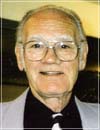
Scott Richardson

Not Of Works Of Righteousness

Titus 1:2
Scott Richardson March, 9 1997 Audio
0 Comments

Sermon Transcript

Auto-generated transcript • May contain errors

100%
The book of Titus. Titus. Titus was considered by Paul
his own son after the common faith. He was to Paul what Timothy
was to Paul. And he writes to him here in verse 2 of this first chapter. He says, "...in hope of eternal
life." In hope of eternal life. Which God? Which God? that cannot lie, God that cannot lie, promised
before the world began in hope of eternal life, eternal
life, not so much the quantity but the quality,
eternal life. that begins, eternal life begins,
when a man receives the testimony of God concerning his son. His
name shall be called Jesus, for he shall save his people from
their sins, in hope of eternal life, which God cannot lie. promised before the world began. But hath in due times manifested
his word. How? Through preaching. Faith cometh by hearing, and
hearing by the word of God. How can they preach except to
be sent? but hath in due times manifested
his word through preaching." Paul says, "...which is committed
unto me," Paul the preacher, according to the commandment
of God our Savior, writing here to Titus, "...to Titus, mine
own son," after the common faith. He considered him his son. He had begotten him. through
the gospel and by the gospel and brought him. It was Paul, this vessel of mercy
that God had raised up and called and revealed to him the gospel.
It was through the means of Paul that Titus heard the good news
concerning God's Son, concerning the promise, the hope, God cannot
lie in regard to eternal life. Titus, my own son, after the
common faith, grace, mercy, and peace from God the Father and
from our Lord Jesus Christ, our Savior. He goes on here and talks
about elders, elders, in the congregation, elders in the local
churches, how they were to ordain them, set them apart in a public
ceremony. The setting apart of the elders
or the laying hand on the elders had nothing to do with the ordination. God had ordained them before
time ever was, but the setting apart was just make manifest
what God had done in eternity, called these men, ordained elders
in every city as I had appointed thee. And he gave them some qualifications
for these elders. If any be blameless, the husband
of one wife, the husband of one wife, having faithful children,
not accused of riot or unruly. For a bishop must be blameless,
a bishop and an elder. selfsame thing. One is the presiding
elder. He does the public speaking and
preaching, and the elders, they're available if necessary, but they're
the bulwark of the church, the backbone. The bishop must be
blameless as a steward of God, not self-willed, not soon angry,
not given to wine, no striker, not given to filthy lucre, a
lover of hospitality, a lover of good men, a lover of good
men, sober, just, holy and temperate, holding fast the faithful word
as he has been taught, that he may be able by sound doctrine
both to exhort and to convince the gainsayers. It goes on. It talks about in the second
chapter, that the aged men be sober and grave and temperate,
sound in faith and charity and patience. These are the people
of God. The aged women, likewise, that
they be in behavior as becometh holiness, not false accusers,
not given to too much wine, teachers of good things, that they may
teach the young women to be sober, to love their husbands and to
love their children, to be discreet, keepers at home, good, obedient
to their own husband, that the word of God be not blasphemed.
Then the young men likewise exhort to be sober-minded, have sound
speech that cannot be condemned, and so forth. Exhort the servants
to be obedient unto their own masters, and so forth. Then down
in verse 11, that second chapter, for the grace of God that bringeth
salvation, favor of God, These people, they said, as I read
to you in John chapter 6, they said, how can we work the works
of God? How can we gain favor with God? And he said, this is the work
of God, that you believe on Him whom God has sent. That's how
you find favor with God, is to believe on Him whom God has sent. You cannot find favor unless
you believe on Him whom God has appointed. to accomplish redemption
for His people. The grace of God that brings
us salvation, the grace of God, the favor of God. Now listen,
verse 12, that grace, that favor, teaches us that denying ungodliness,
anything that is not godly is ungodly. Anything that is not
godly is ungodly. So we are to deny that, whatever
it is. And worldly lusts. We should
live soberly, righteously, and godly in this present world.
That applies to every one of us. If we make the claim that we
have received the testimony of God concerning His Son, then
that favor and that grace teaches us that this is the way we ought
to behave. This is the way we ought to act. We ought to maintain
good works. Looking, ever looking, ever longing,
ever desiring for that blessed hope, the true hope. I am the true bread and the true
hope. Looking for that blessed hope
and glorious appearing, notice this, of the great God. The Lord
Jesus Christ is none other than God manifest in the flesh. He's
coming. We look for the coming of Christ.
He's going to come for those that are His own, those that
have received Him, those that acknowledge that they're sinners
and hopeless and helpless, but Christ came to save sinners,
those that have received Him. They're looking for Him. They
want Him to come back. They desire to be with Him. Was it Peter and John? They said, Where livest thou?
Where dwellest thou? They wanted to live with him.
They stayed there with him all day, looking for that blessed hope
and glorious appearing of the great God and our Savior. The
great God and our Savior. Not two of them, just one of
them. There's one God in three persons,
God the Father, God the Son, and God the Holy Spirit. God
the Son, as much God as if he's never man, as much man as if
he's ever God. The God-man, he's God, thought
it not robbery to be equal with God. The glorious appearing of
the great God, the great God, and our Savior, Jesus Christ.
Who? Who? Who gave Himself? The Lord Jesus Christ gave Himself,
gave all that He was, His perfect, pure, spotless, sinless soul.
He gave His perfect, spotless, pure, sinless soul without blemish,
without spot. He gave all that He was as God
and as man for our redemption, to redeem us, to pay what we
owe, to render perfect obedience unto
God in our behalf, to satisfy inflexible, severe, strict justice
on our behalf, to bear the penalty due us on our behalf, to be our
sin bearer, to clothe us with His righteousness, to make us
acceptable in Himself, that He might redeem us who gave himself
for us, that he might redeem us from all iniquity, and purify
unto himself a peculiar people, zealous unto good works." Now
he tells Titus, these things speak, and exhort, and rebuke
with all authority, and do it in such a way That man won't
despise you, and you're doing it. Let no man despise thee. Now,
put them in mind, he says, to be subject to principalities
and powers. To those that are appointed by
God to be rulers over us. To obey magistrates. to be ready to every good work,
to speak evil of no man, to be no brawlers, but gentle,
showing all meekness unto all men. For we ourselves also were sometimes
foolish, disobedient, deceived, serving divers' lusts and pleasures,
living in malice and envy, hateful and hating one another. But after
that, the kindness and the love of God our Savior towards man
appeared. Verse 5, verse 5, That's what
I want to talk about this morning for just a little bit. Verse
5, Not by works of righteousness which we have done, but according to his mercy he
saved us by the washing of regeneration and renewing of the Holy Ghost. which He shed on us abundantly
through Jesus Christ our Savior. That being justified by His grace,
we should be made heirs according to the hope of eternal life.
This is a faithful saying. Faithful saying. It makes no difference whether
you hear me or whether you don't. It makes no difference. But it
makes a whole lot of difference whether you hear him or not.
This is a faithful saying. See that ye refuse not him, that
speaker from this book. Whether you hear me or not makes
no difference. But see that you don't refuse
him. that speaks from this book. Faithful saying, these things
I will that thou affirm constantly, that they which have believed
in God, believed in the testimony concerning God's Son, the Lord
Jesus Christ. To believe in God is to receive
His Son. You cannot honor God unless you
honor the Son, and you cannot honor the Son unless you honor
God. Be careful to maintain good works. That is, to continue in good
works. That means that you start in
this life of a believer, your nature, you have this God-like
nature given to you. You've been quickened and you
have life, and you have this God-life in you, and it produces. It's a like begets like. If the root is good, the fruit
will be good. And the root, the root is Christ
in you, the hope of glory. And that root produces a good
fruit. And good fruit is good works.
And we'll talk about that in a little bit, about good works. What is a good work? Think about
that. What is a good work? But foolish questions, he said.
Foolish questions. What's McCall Getty's wife? What's
the two boys name? Cain. Where'd Cain Getty's wife?
That's foolish questions. Avoid questions like that. If
the Bible says he had a wife, had children, then what good
would it do you to know who his wife was? Where'd she come from? Avoid that kind of stuff. People that ask you that, they
don't want to answer. They're seeking to trap you. Avoid foolish questions and genealogies. A colored man one time asked
me, he said, Do you know where God came from? And I said, No.
He said, I do. I said, Where did He come from?
He said, He came from Timan. And there's an expression in
the Bible, in the Old Testament, that God came from Tima. And
he took it entirely out of its context. I mean, God has no beginning. He always was, always will be.
I mean, he didn't come from Fairlawn or Morgantown or Texas. He always was. I am that I am. Avoid these foolish questions
that tend to gender strife and division. have no meaning or
end. Avoid them. Gediologies and contentions,
striving about the law, for they are unprofitable and vain. A
man that's a heretic, after the first and second admonition,
reject him. If he's a heretic, tell him once
that he's a heretic, and after that, don't have anything to
do with him. Knowing that he that is such as subverted and
sinneth being condemned of himself. Well, let me talk to you just
a little bit about this one verse that I made mention to you here.
Verse 5, Not by works of righteousness which we have done, but according
to his mercy he saved us by the washing of regeneration and the
renewing of the Holy Ghost. Now, first it tells us here what
we were. Look over there in verse 3. He tells us, Verse 2, "...not
to speak evil of any man." That is in a preconceived, deliberate,
premeditated way to speak evil of a man, but we are to call
black black and white white. Now, we understand that. We understand
that the Bible says we are not to judge any man, He means that
you're not judging until the facts are in, until the whole
thing's laid there before you where you can make a righteous
judgment and so forth. And if a man's evil, you say
he's evil if he's evil, but not in a mischievous make-up way
to speak evil of a man in order to just create antagonism among
his neighbors or cause him hurt or something like that. Speak
evil of no man. Be gentle and show meekness to
all. Now listen to this, for we ourselves, what were we? What were we prior to receiving,
prior to being regenerated, prior to becoming interested in God's
Christ? What were we? What were we? What were you? Have you a picture
of yourself? Before, at first, prior to salvation,
have you have a picture of yourself that you can go and look at? And if you do, you can say, well,
thank God. I have been changed. I'm not
like that anymore. God in His grace has changed
me. I'm not like that anymore. But
what were you like prior to that? I'll tell you what you were like.
Sometimes foolish, sometimes disobedient and deceived. That's what you were like. Listen,
for we ourselves also were sometimes foolish, disobedient, deceived. Serving. That word serving has
to do with being a slave, slavish, slavish work. Serving divers' lust, lust and
pleasures, living in malice and envy, hateful and hating one
another. That's what we were. We all agree
with that, don't we? We agree that that's what we
were prior to being quickened by God's
Holy Spirit. Prior to that. This is our history
right here. Foolish, foolish. Notice this. It does not say
here, ye yourselves. But it does say, for we ourselves. Paul included himself in this
commentary of what we are or what we were before we was regenerated. He does not
say, ye yourselves, but we ourselves, including himself. He said, we
are foolish. Foolish. Foolish. What's that
mean? It means that we thought we knew it all. We thought we
knew. Talk to somebody and tell them
about the Savior. Tell them about God sending His
Son. And by nature, you can't tell
them anything. They know that. They've already
got it figured out. If you tell him, well, now, if
you ever get to God's heaven, you're going to have to be born
to the Spirit of God. You're going to have to be quickened
and regenerated. You're going to have to receive His Son. It's
all going to be a free gift. It's by grace. It's free. It's
all for nothing. And he'll say, well, that's not
the way I look at it. I think that you've got to do
something about that, something yourself. You've got to do something.
Oh, no. Oh, no. We were so foolish. The Bible says the fool, the
fool said in his heart, there is no God, no God for me. That's what he's saying. He's
not saying there's no God. He said there's no God for me.
And that's the way the unregenerate think. They're foolish. No God for me. They can't see. Foolish, can't see. blind, and will not come to the
Lord Jesus Christ for sight. Won't come to Him. We thought
we knew better than God. We are disobedient, foolish and
disobedient, disobedient to God's holy law, wasn't we? Every one of us, by nature, has
a whole lot of Pharaoh in us. Pharaoh said, Who is the Lord? that I should
obey Him. You know what he said in response
to Moses? Pharaoh said, Where do you come
from? Moses said, I have no credentials of myself. Who sent you? He said, Thee I am that I am
hath sent me, the true and the living God. He said, Who is this
God that I should obey Him? All of us have this Pharaoh in
us. Whose God did I obey Him? So
we were foolish and we're disobedient, unwilling to yield to God His
due place in providence and in the law and in the gospel and
in the rule and governing of this world. We wouldn't give
it to Him. We wouldn't give Him His due. We were deceived, that is, led
astray. Certainly we were deceived in
the idea of what true happiness is. We had hoped to find it where
it did not exist. We was looking for happiness
in the land of the dead instead of in the land of the living. Deceived, deceived, foolish,
disobedient and deceived. Paul says, for we ourselves also,
all of us, all of sin comes short of the glory of God. Every single
solitary individual among us, from the least to the greatest,
that sat here before me this morning, is a sinner by nature,
a sinner by choice, and a sinner by practice. Such were some of you. We are
slaves, foolish and disobedient, searched for the living among
the dead, slaves to divers' lusts and pleasures. Oh, what else does it say? Living
in malice and envy, hateful, Hateful people. Oh, now, you
and I, we... Makes us angry, doesn't it? To
see hateful people. I mean, people that do things
out of hate. Out of hate. Hateful people. Like Wayne was telling us there
before church. Someone shot through his mailbox.
Just shot through his mailbox. Call him on the telephone in
the middle of the night ten or eleven times, waking him up.
Hateful people. Why do people do that? Hateful
people. No reason. No reason. Hateful
people. We were that way. Hateful. I know I was hateful. I was born
hateful. And if I'm not hateful now, it's
by the grace of God. And if I don't watch myself,
I'll become hateful. Huh? That's true. That's what we were.
That's what we were. Hateful. Hating one another. Oh, but listen to this. Listen
to this. But! My God, if it had ended
right there, we'd have been in bad shape, wouldn't we? If it
had stopped, if it had been a bigger period than what they are behind
that another, in verse 3, and just wrote it off, ended it right
there. We would have been of all men
most miserable without hope, without God in this world or
the world to come. But after that, the kindness
and love of God our Savior toward man hath appeared," listen to this now, "...not by
works of righteousness which we have done, but according to
His mercy He saved us." Now, we're talking about the salvation
of God. I mean, that's where it will
all come to, won't it? We may say a lot of these and
read a lot of these verses, but our intent and our pursuance
is to wind up with this one objective and talk about the salvation
of God. Not by works of righteousness. We're not saved by works of righteousness. You're not saved because you
are a member of this church. You're not saved because you're
not a member of this church. You're not saved because you're
baptized into the Baptist church, the Methodist church, or the
Catholic church, or the Mormon church. You're not saved because
you have observed the Lord's Supper. You're not saved because
you do good to other people. You are not saved because you
are kind and gentle to your mother and father. You're not saved by any work
that you do or don't do. Now listen carefully. Remember
what I said. It makes no difference whether
you hear my words or not. But it makes a great deal of
difference if you hear Him who's speaking. See that you don't
refuse Him that speaks from this book. And He speaks from this
book, and He's talking about being saved. Saved from ourselves. Saved from the penalty that is
due us against our sins. He said that His name shall be
called Jesus, for He shall save His people from their sins. The
greatest thing that can ever happen to any man in this world
or in the world to come is that he be saved. Saved from the penalty
that is due him. That'll be the greatest day,
the greatest hour, the greatest minute in your life and my life
is when God speaks to my heart and makes me willing in the day
of His power to receive the testimony of His Son and saves me for time
and eternity. That's what we're talking about.
And it's being saved not by works of righteousness which we have
done. By nature, every man that's born
a woman has some idea of how he's going to wind up in heaven.
And it's all by his works. It's by what he does do or what
he does not do. He builds and erects a platform
of what he does and what he does not do, and he stands upon them,
and that's his merit. That's what's going to get him
to heaven. But I'm telling you that we were
foolish and disobedient and deceived. Deceived as to how God saves
sinners. And it's not by works of righteousness
which we have done. but according to His mercy hath
He saved us." According to His grace, according to His good,
free favor, He did it out of the goodness and kindness of
Himself. Where is that verse at in Romans chapter 4? Let me read that to you. Romans chapter 4, I think it
is. Listen to this. He says, verse 5, and he's talking about
our relationship with God in Christ. He's talking about our
salvation. He says, but to him that worketh
not. A man cannot work to gain favor
with God. Why can't he do something to
gain favor with God? Because he has no good works
to start with. He's a sinner. He can't do any
good works until He has believed the testimony
of God concerning his Son, and then he can do some good works.
But until that happens, he can't do anything that God will receive. But to him that worketh not, but, thank God for them buts
in there, but believeth on him, that's on God's Christ. that
justifieth the ungodly, his faith is counted for righteousness."
While I'm over here in this book of Romans, I want to turn there
to the sixth chapter of the book of Corinthians and read something
similar to what I read to you here where it says, it tells
us what we were. It says here in verse 9 of chapter
6 of 1 Corinthians, listen to this now, Know ye not that the
unrighteous shall not inherit the kingdom of God? Be not deceived,
neither fornicators... You know what a fornicator is?
A fornicator is one, if he commits fornication in the flesh, he
is the man or woman that has illegitimate relationship with
that man or woman outside the bonds of marriage. He's a fornicator. And the United States of America
is full of fornicators today. Neither fornicators nor idolaters. You know what an idolater is. An idolater is one that worships
anything apart from the true and the living God, as He hath
revealed Himself here in the Scriptures." If you worship any
God apart from the God of this book, then you are an idolater. Be not deceived now, neither
fornicators, idolaters, adulterers, nor effeminate, effeminate. You see this basketball player
on the television, Rodman. Rodman plays for the
Chicago Bulls. Dyes his hair orange one game,
and blue, and red, and he wears women's clothes. He loves to
wear women's clothes. He's effeminate. Womanish. like. He wants to be
a woman. It's like the fellow said that
his boy come home from school and he had an earring in both
ears. Two earrings hanging out from
his ears. And he said to his boy, he said,
I must have made a mistake. Or he said the doctor made a
mistake. He said, I've got a girl instead of a boy. He said, you
want to wear some girls' clothes? Effeminate, that's what that
is. That's rampant. That's rampant in our society
today. Now listen, let me say it again.
In material, whether you believe a word I say or not, but don't
reject Him who speaks. He don't speak. Listen, neither
fornicators or adulterers, effeminate, or abusers of themselves with
mankind, thieves, covetousness, drunkards, revilers, extortioners,
none of them shall inherit the kingdom of God. But now listen
to the eleventh verse, And such were some of you. Now that's
what Paul said over here when he's talking to Titus. Such were
some of us. This is what we were, foolish,
disobedient. Here right here again. And such
were some of you, but you are washed. You are washed. God washed
you. He washed you in the blood of
the Lord Jesus Christ. You are sanctified and justified
in the name of the Lord Jesus Christ and by the Spirit of God.
And now all things are lawful unto you. Well, back to where
we started there. The book of Titus. Not by works of righteousness
which we have done, but according to His mercy He has saved us.
Another thought. Let me tell you right now. There
are some men and women and boys and girls in this world right
now who are saved. not by works of righteousness
which we have done, but according to His mercy. He saved us. So they are, men, women, boys
and girls, right now, in this world, that are saved. They are
saved from the wrath to come. They are saved from the penalty
to do them against their sins. They are saved from all of that.
Saved from hell. made heirs of God's kingdom forever
and ever and ever. There are some in this world
now. So He said, according to His mercy hath He saved us. Now, He's not speaking of as
to be saved. That's not the way He's talking. Or not as to be saved when they
come to die. He said they're saved even now. Now, how are they saved? If they're
not saved according to the works that they have done, how are
they saved? According to His mercy. That's how they're saved. According
to His mercy. What has God done for us? Found out who we were. Now, what
has God done for us? Well, he's made a divine intervention. It says that the kindness and
the love of God our Savior towards man hath appeared. Man was in
the dark. He couldn't see. He was groping
around, and every step he took, led him into a deeper darkness,
a midnight darkness. But, listen to me, the love of
God, the kindness of God our Savior towards man appeared.
Man was in darkness. He couldn't see. But now listen,
the kindness and the goodness of God our Savior which had always
existed. The goodness and the kindness
and the love and the mercy and the grace of God had always existed. Now, that appeared. It existed. But finally, in due time, it
appeared. It appeared when God, in the
person of His Son, came and accomplished redemption. on our behalf. Loved us while we were yet deceivers,
foolish, disobedient, and dead in trespasses and in sins. He loved us. He loved us. God does not come to men to help
them save themselves. They are dead. They cannot do
anything. They're dead spiritually towards
God. Dead, and they can't do anything.
What can a dead man do? He cannot even cry out for help. If I go to the funeral home and
see the corpse there, he may look like he's living. They may
have his hair comb, his teeth in, his glasses on, his white
shirt, and a nice tie, and looked like he was sleeping. How many
times I've been to the funeral home when members of the family
said, doesn't he look nice? Or doesn't she look nice? I said,
yeah, they do. Looks like she's alive. But she
ain't alive or he ain't alive. They're dead. They're dead. They
have no feeling. They can't see. They don't understand. There's no life in them. You
can tug at them and say, get up. I've seen little children,
you know, kind of tug at the body and want to say, what's
the matter with Grandma? Grandma won't talk. She won't
look at us. No life in her. She's dead, dead,
dead. Life's went out of her. That's
the way we are by nature. before God. That's how we're
born. Born dead in trespasses and in
sins. Can't cry out for help. But according
to the mercy of God, He sent His Son to come. And while we were dead in trespasses
and in sins, His Spirit quickened us and gave us life and gave
us an interest and desire after his son opened her eyes to see
how hopeless and helpless we were in our need of a Savior. And we fled to Him. We ran as
fast as we could to Him and grabbed hold of Him and owned Him as
our Lord and our Savior. He's met all of our needs. I'd like to take some more time,
but I won't, but I'll talk about this. I want to talk some more
about this tonight, about maintaining these good works. But the point
I'm trying to make this morning is this point right here. It's found over in Ephesians
2, chapter 2 of the book of Ephesians. This is what I'm laboring on. Verse 8, For by grace are you
saved, grace in favor, by the favor of God. You know the reason
why God saves anybody? Let me tell you. No reason can
be found in you or me. There's no reason to be found
in us why God would save us. The reason lies in the heart
of God Almighty, not us. See what he says here? For by
grace are you saved through faith. And if you ever sit and understand
it, you'll know that it's not of yourselves. See? It's a gift of God. Then listen. Not a word. not according to the works that
we have done, but according to His mercy, not of works, lest
any man should boast. For we are His workmanship, created
in Christ Jesus unto good works. See, there's no good works. Good
works and God's salvation is in one package. You say, God
foreordained. me unto salvation, predestinated
me, chose me. That's true. But He also, along
with that, chose good works. Created these good works in you,
this fruit in you. Created in Christ Jesus unto
good works which God hath before ordained that we should walk
in them. quit there. It's not a works,
lest any man should boast." Now, I made that clear, didn't I?
I made that clear.
Scott Richardson
About Scott Richardson
Scott Richardson (1923-2010) served as pastor of Katy Baptist Church in Fairmont, West Virginia.
Broadcaster:

Comments

0 / 2000 characters
Comments are moderated before appearing.

Be the first to comment!

Joshua

Joshua

Shall we play a game? Ask me about articles, sermons, or theology from our library. I can also help you navigate the site.