Bootstrap
Charles Spurgeon

Salvation Summed Up in Nine Letters

Romans 5:8; Titus 3:3-5
Charles Spurgeon June, 11 2025 Audio
0 Comments
Titus 3:5, "He saved us, not because of righteous things we had done, but because of His mercy."

1. HE
Salvation begins with God. The glorious subject of this verse is none other than the sovereign Lord of heaven and earth. "He"--the eternal, omnipotent, all-wise, and perfectly holy God--has taken the initiative. It was not man who sought God, but God who sought man. Left to ourselves, we were "foolish, disobedient, deceived and enslaved" (Titus 3:3), utterly without hope. But God, in His infinite mercy and loving-kindness, moved toward us. This great act of salvation is not the product of man's desire, decision, or deeds--but of God's own purpose and grace. "Salvation comes from the Lord" (Jonah 2:9). He alone is the Author and Finisher of our faith. What a humbling truth: the One most offended by our sin, is the very One who provides the remedy.

2. SAVED
What a word! Not helped. Not improved. Not rehabilitated. But saved! This is a strong word that speaks of deliverance from danger and destruction. In the biblical sense, it is a rescue from the wrath of God, from the penalty of sin, from eternal damnation. Salvation is no minor adjustment to our behavior or character--it is a radical deliverance from guilt, corruption, and condemnation.

And what is the cause? "Not because of righteous things we had done." No amount of good works, religious rituals, or moral efforts could ever earn this salvation. It comes because of His mercy. Grace flows from mercy. Mercy is God's heart of compassion toward those in misery and ruin, and grace is the action that flows from it--redeeming, restoring, and raising us from death to life. To be saved, is to be made a new creation in Christ

In his sermon "Salvation Summed Up in Nine Letters," C. H. Spurgeon explores the theological doctrine of salvation, emphasizing its divine origin, the magnitude of deliverance it provides, and its personal impact on believers. Spurgeon argues that salvation is entirely a work of God, initiated by His mercy rather than human merit, as reflected in Titus 3:5, which states, "He saved us, not because of righteous things we had done, but because of His mercy." He highlights that true salvation is a radical transformation, not mere improvement, rescuing sinners from condemnation to a renewed state in Christ. The practical significance of this message lies in the call for humility and gratitude among believers, urging them to live in light of their salvation and for God's glory.

Key Quotes

“Salvation begins with God... He, the eternal, omnipotent, all-wise, and perfectly holy God, has taken the initiative.”

“This is a strong word that speaks of deliverance from danger and destruction... an act of radical deliverance from guilt, corruption, and condemnation.”

“This salvation is not impersonal or theoretical, it is personal. He saved us.”

“May this truth stir your soul, crush all pride, and ignite fresh praise for the God of mercy who did for us what we could never do for ourselves.”

What does the Bible say about salvation?

The Bible teaches that salvation is entirely by God's mercy, not by our works.

The Bible reveals that salvation is a profound act initiated by God. As stated in Titus 3:5, He saved us not because of righteous things we had done, but because of His mercy. This highlights the sovereignty of God in the salvation process, demonstrating that it is not based on human effort but on divine grace and purpose. The act of salvation implies a radical deliverance from sin and its consequences, emphasizing God's role as both the giver of salvation and its ultimate finisher.

Titus 3:5, Romans 5:8

How do we know God's mercy is essential for salvation?

God's mercy is crucial as it is the foundation upon which salvation is built, as shown in Scripture.

In Scripture, the necessity of God's mercy for salvation is evident through the unconditional love and compassion He demonstrates toward sinners. Titus 3:5 states that we are saved not by our works but by God's mercy, highlighting that our deliverance is rooted in His character rather than our merit. This mercy allows grace to flow forth, resulting in redemption. Without this divine mercy, humanity remains in a state of hopelessness and condemnation, underscoring its importance in the overarching narrative of redemption.

Titus 3:5, Romans 5:8

Why is understanding salvation as a gift important for Christians?

Recognizing salvation as a gift emphasizes God's sovereignty and our need for humility.

Understanding salvation as a gift is fundamental to the Christian faith because it underscores the nature of God as gracious and merciful. According to Spurgeon, salvation is personal—'He saved us'—which serves as a reminder that it is not something we can earn or take credit for. It shifts the focus from our own efforts to God's initiative and sovereignty. This truth should cultivate a spirit of gratitude, humility, and a life lived for His glory, knowing that we have been redeemed from our sinfulness through His love. Acknowledging this gift transforms our lives, compelling us to respond in service and praise.

Titus 3:5, Romans 5:8

Sermon Transcript

Auto-generated transcript • May contain errors

100%
Salvation summed up in nine letters. By Charles Spurgeon. Titus chapter 3, verse 5. He saved us, not because of righteous things we had done, but because of His mercy.

First, He. Salvation begins with God. The glorious subject of this verse is none other than the Sovereign Lord of heaven and earth. He, the eternal, omnipotent, all-wise, and perfectly holy God, has taken the initiative. It was not man who sought God, but God who sought man. Left to ourselves, we were foolish, disobedient, deceived, and enslaved, utterly without hope. But God, in His infinite mercy and lovingkindness, moved toward us. This great act of salvation is not the product of man's desire, decision, or deeds, but of God's own purpose and grace. Salvation comes from the Lord. He alone is the author and finisher of our faith. What a humbling truth. The one most offended by our sin is the very one who provides the remedy.

Second, saved. What a word. not helped, not improved, not rehabilitated, but saved. This is a strong word that speaks of deliverance from danger and destruction. In the biblical sense, it is a rescue from the wrath of God, from the penalty of sin, from eternal damnation. Salvation is no minor adjustment to our behavior or character. It is a radical deliverance from guilt, corruption, and condemnation. And what is the cause? Not because of righteous things we had done. No amount of good works, religious rituals, or moral efforts could ever earn this salvation. It comes because of His mercy. Grace flows from mercy. Mercy is God's heart of compassion toward those in misery and ruin, and grace is the action that flows from it, redeeming, restoring, and raising us from death to life. To be saved is to be made a new creation in Christ, clothed in His righteousness and kept by His power.

Third, us. This salvation is not impersonal or theoretical, it is personal. He saved us. Who are the us? Not the worthy or the wise, but sinners, helpless, hopeless, hell-deserving sinners. Those who were once enemies, rebels, and strangers have been brought near by the blood of Christ. This word reminds us that salvation is not just a theological truth to admire. but a divine gift to receive. If you can say from your heart, He saved me, then all glory belongs to Him alone. And if He has saved us, then our lives must now be lived for His glory. We are not our own, we were bought at a price. Let us walk in humble gratitude, praising the God who loved us, chose us, and saved us by His mercy.

Conclusion Salvation summed up in nine letters. He saved us. Three simple words, yet they contain the depths of the gospel. The source, he. The act, saved. The objects, us. May this truth stir your soul, crush all pride, and ignite fresh praise for the God of mercy who did for us what we could never do for ourselves.
Charles Spurgeon
About Charles Spurgeon
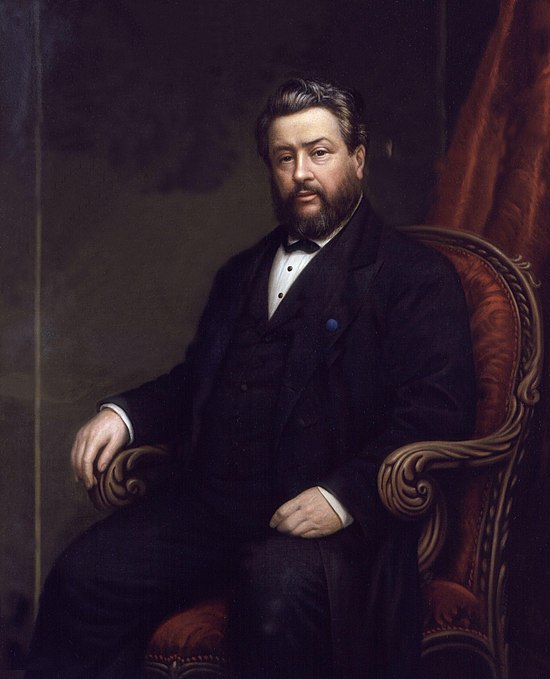
Charles Haddon Spurgeon (19 June 1834 — 31 January 1892) was an English Particular Baptist preacher. His nickname is the "Prince of Preachers."
Broadcaster:

Comments

0 / 2000 characters
Comments are moderated before appearing.

Be the first to comment!

22
Joshua

Joshua

Shall we play a game? Ask me about articles, sermons, or theology from our library. I can also help you navigate the site.