Bootstrap
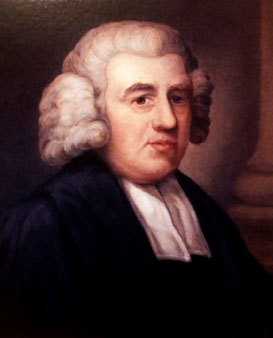
John Newton

Wholly taken up with contriving methods of amusing themselves!

Revelation 5:12-14
John Newton December, 2 2023 Audio
0 Comments
Another insightful gem from John Newton!

John Newton's sermon, centered on Revelation 5:12-14, addresses the grave state of humanity as it stands in rebellion against God, highlighting the theological concept of total depravity. Newton argues that the masses, guilty of high treason against God, remain blissfully unaware of their dire situation and the impending judgment they face. He contrasts this ignorance with God's gracious offer of mercy and a full pardon, illustrating how society often trivializes serious spiritual truths by using them as mere entertainment, such as in their enjoyment of Handel's Messiah. The practical significance of this message calls believers to recognize the urgent need for repentance and to respond to God's offer of grace, rather than allowing trivial pursuits to distract from the eternal consequences of their choices.

Key Quotes

“They are already in a state of guilt, but have not yet been brought to their trial.”

“Instead of taking a single step towards a compliance with his undeserved and gracious offer, they set his message to music.”

“Surely if such a case as I have supposed could be found in real life, though I might admire the musical taste of these people, I would certainly commiserate their stupidity and hardness of heart.”

“Worthy is the Lamb, who was slain, to receive power and wealth and wisdom and strength and honour and glory and praise.”

What does the Bible say about God's mercy?

The Bible emphasizes God's mercy as an essential part of His character, offering forgiveness to those who repent.

God's mercy is a profound theme throughout the Scriptures, illustrating His willingness to forgive and restore His people. In the text, it is highlighted that despite humanity's treason against God and their state of guilt, He sends a gracious message of pardon. This reflects God's heart as seen in passages like Ephesians 2:4-5, where it states, 'But God, being rich in mercy, because of the great love with which he loved us, even when we were dead in our trespasses, made us alive together with Christ.' His mercy urges individuals to turn towards Him and accept the forgiveness He freely offers.

Ephesians 2:4-5

Why is repentance important for Christians?

Repentance is crucial as it restores our relationship with God and acknowledges His grace in our lives.

Repentance is a vital aspect of the Christian faith; it acknowledges our sinfulness and need for God's mercy. As pointed out in the sermon, many are heedless of their imminent danger and fail to seek God’s pardon. This reflects a lack of understanding of the necessity of repentance, which is the first step towards receiving God's gracious offer. By repenting, believers accept the reality of their sinfulness and the profound grace offered by Christ. 2 Chronicles 7:14 reinforces this when God calls His people to humble themselves and pray, promising that He will hear from heaven and heal their land.

2 Chronicles 7:14

How do we know God's judgment is certain?

God's judgment is certain, as affirmed in Scripture, and it serves as a motivator for repentance and faith.

The certainty of God's judgment is a significant theme in Christian theology, rooted in His holy nature. In the gathered reflections on people's heedlessness towards their impending judgment, it is clear that Scripture consistently warns about the reality of God's judgment. Revelation 20:12 depicts a scene of judgment where all are held accountable for their actions. This reinforces the need for urgency in seeking God’s mercy, as the offer of pardon through Christ is time-sensitive. Understanding this certainty should lead us to live with a sense of accountability and joy in the grace that is available through faith in Christ.

Revelation 20:12

Sermon Transcript

Auto-generated transcript • May contain errors

100%
wholly taken up with contriving methods of amusing themselves. Concerning the performing of Handel's Messiah, John Newton wrote, How shall we view the people of our times? I see the great mass of people involved in one common charge of high treason against the omnipotent God. They are already in a state of guilt, but have not yet been brought to their trial. The evidence against them is so plain, strong, and pointed, that there is not the least doubt of their guilt being fully proved. Yet they are foolishly unconcerned that nothing but a free pardon from God can preserve them from their deserved eternal punishment.

In this situation, it would seem in their best interest to avail themselves of every expedient in their power for obtaining God's mercy. But they are entirely heedless of their imminent danger, and are wholly taken up with contriving methods of amusing themselves, that they may pass away their short time on earth with as much levity as possible.

Among other resources, they call in the assistance of music, and they are particularly pleased with the performing of Handel's Messiah, They Choose to Make, the solemnities of their impending judgment, the character of their judge, the methods of his procedure, and the dreadful punishment to which they are exposed, the themes of their musical entertainment. and, as if they were quite unconcerned in their upcoming judgment, their attention is chiefly fixed upon the skill of the composer, and in adapting the style of his music to the very solemn subjects with which they are trifling.

The offended king, however, unasked by them, and out of his great mercy and compassion towards those who have no pity for themselves, sends them a gracious message. He assures them that he is unwilling that they should eternally perish, and that he requires, yes, he entreats them to submit to him. He points out a way in which he offers them a free and a full pardon. But instead of taking a single step towards a compliance with his undeserved and gracious offer, they set his message to music.

And this, together with a description of their present hopeless state, and of the fearful doom awaiting them, if they continue obstinate, is sung for their entertainment, and accompanied with enthralling music. Surely if such a case as I have supposed could be found in real life, though I might admire the musical taste of these people, I would certainly commiserate their stupidity and hardness of heart.

" Revelation 5, verses 12-14

In a loud voice they sang, Worthy is the Lamb, who was slain, to receive power and wealth and wisdom and strength and honour and glory and praise.

Then I heard every creature in heaven and on earth, and under the earth and on the sea, and all that is in them, singing, To him who sits on the throne, and to the Lamb be praise and honour and glory and power for ever and ever.

The four living creatures said, Amen, and the elders fell down and worshipped.
John Newton
About John Newton
John Newton (1725-1807) was an English Anglican clergyman, staunch Calvinist, and abolitionist, most widely known for authoring the hymn Amazing Grace.
Broadcaster:

Comments

0 / 2000 characters
Comments are moderated before appearing.

Be the first to comment!

Joshua

Joshua

Shall we play a game? Ask me about articles, sermons, or theology from our library. I can also help you navigate the site.