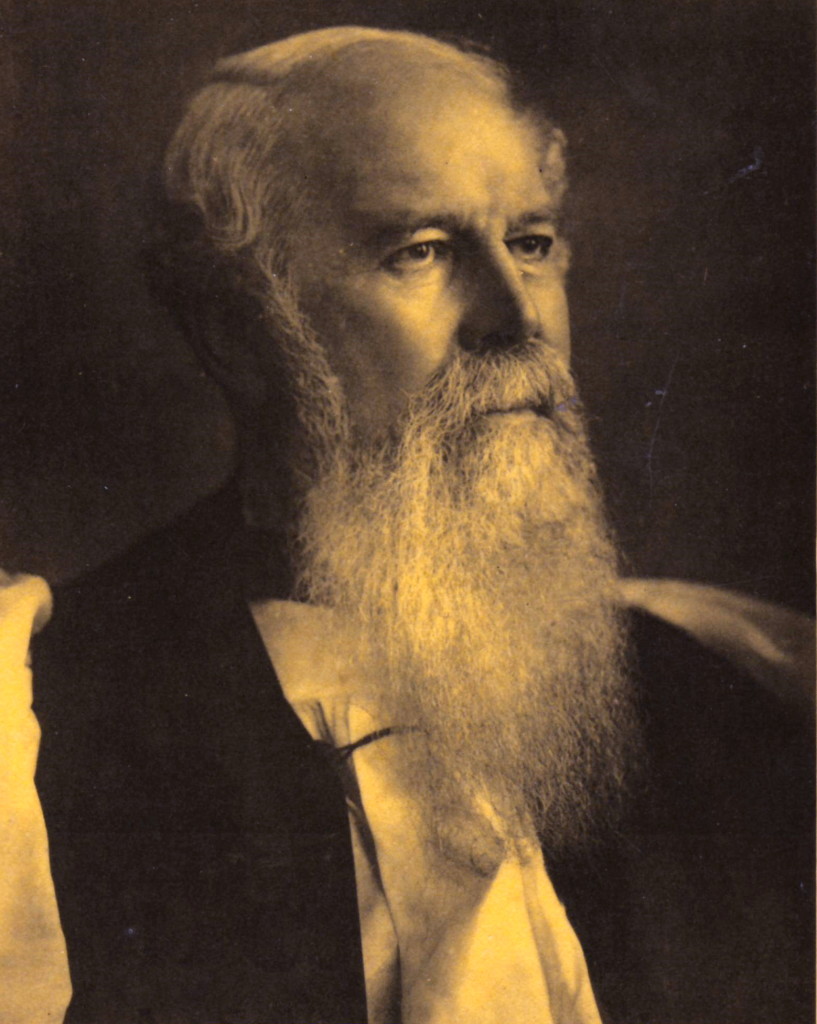
In J.C. Ryle's exposition of Mark 12, he elucidates several theological themes, primarily focusing on God's covenant faithfulness and humanity's persistent disobedience. Ryle interprets the Parable of the Wicked Husbandmen as a historical reflection of Israel's rejection of God’s messengers, culminating in the rejection of Christ, the Son. He highlights God's immeasurable patience and grace shown towards Israel, referencing their repeated provocations of Him, supported by 2 Chronicles 36:16 and Romans 8:7 to underscore the depravity of the human heart. Practically, the sermon calls contemporary believers to reflect on God’s grace in their own lives, urging humility and responsiveness to His call, lest they risk repeating Israel's transgressions. Additionally, Ryle stresses the need for a genuine transformation of heart through the Holy Spirit, a core concept in Reformed theology emphasizing total depravity and the necessity of divine grace for salvation.
Key Quotes
“Let us hear in His mercies a loud call to us to bear fruit, and let us strive to abound in that righteousness which alone exalteth a nation.”
“The thing that we all need is a change of heart and will. For this let us pray earnestly.”
“Let us beware that we do not presume on His goodness too far.”
“Knowledge and conviction alone save no man's soul.”
The Bible teaches that God is patient, showing grace to His people despite their sinfulness and rebellion.
The Scriptures illustrate God's extraordinary patience and grace throughout history. For instance, in Israel's story, we see repeated provocations met with mercy from God, emphasizing His long-suffering nature. Even as Israel turned away and rebelled, God continued to send prophets to call them back to Himself, as recorded in 2 Chronicles 36:16. This pattern is not unique to Israel; it extends to all of humanity, demonstrating that God's grace is at work even amidst our failures. As we reflect on our circumstances, we recognize that if we experience mercies and grace today, they are not due to our righteousness but a result of God's sovereign grace, urging us to bear fruit and live in thankful obedience.
2 Chronicles 36:16
The resurrection is affirmed by Jesus in the Scriptures, notably through His reference to Exodus, demonstrating God's covenant relationship with the living.
In Mark 12, Jesus responds to the Sadducees' challenge about resurrection by referencing the Scriptures, specifically Exodus, where God declares to Moses, 'I am the God of Abraham, Isaac, and Jacob.' This assertion hinges on the fact that God speaks of Himself as the God of the living, not the dead, implying the continuing existence of those named. The affirmation of life beyond death is central to the Christian faith and highlights that God’s promises extend beyond the grave, ensuring resurrection. This demonstrates that the hope of resurrection is profoundly embedded in the character and covenant of God with His people throughout history.
Mark 12:26-27, Exodus 3:6
Recognizing human sinfulness is essential as it underscores our need for salvation and the grace offered through Christ.
Understanding the depth of human sinfulness is critical for every Christian, as it lays the foundation for the need of Christ's atonement. In Mark 12, Jesus illustrates the hardness of the human heart through the rejection of His prophets by Israel. This reminds us that even under the clearest revelation, people can still choose sin over God. Recognizing our sinful nature forces us to confront our need for transformation, which can only be accomplished through the regenerating work of the Holy Spirit. Acknowledging that 'nothing but the Spirit of God can change the heart' (John 3:7) propels us towards seeking a genuine relationship with Christ, one grounded in humility and dependence on His grace.
Mark 12:3, Romans 8:7, John 3:7
The Bible teaches that our giving should reflect our love for God and the value we place on His work, as demonstrated in the widow's offering.
In Mark 12, Jesus highlights the widow's offering as a profound act of faith and generosity. Though she gave only two mites, her contribution was greater in God's eyes than the large sums given by the rich because she gave all she had, showcasing her reliance on God rather than her wealth. This event teaches us that the heart behind the act of giving matters far more than the amount. Generosity should stem from a sincere love for God and a desire to support His work. As instructed in 2 Corinthians 9:7, God loves a cheerful giver, and our giving should mirror the self-sacrificial nature of Christ, thereby encouraging us to produce good fruit for the Kingdom.
Mark 12:41-44, 2 Corinthians 9:7

Comments
Your comment has been submitted and is awaiting moderation. Once approved, it will appear on this page.
Be the first to comment!