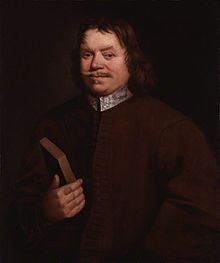
06. The House of the Interpreter
1 Peter 2:11; Matthew 7:13-14
In the sermon "The House of the Interpreter," John Bunyan explores the process of sanctification and the role of the Holy Spirit in guiding believers towards spiritual maturity. Central to his arguments is the portrayal of the Interpreter as a symbol of the Holy Spirit, who provides essential truths and lessons to foster Christian growth. Key Scripture references include 1 Peter 2:11 and Matthew 7:13-14, illustrating the tension between the narrow and broad paths of spiritual life and the nature of a believer's journey from the City of Destruction to the Celestial City. Bunyan emphasizes the significance of relying on Gospel grace for sanctification rather than the law, as depicted through the allegory of the heart's cleansing. This underscores the Reformed doctrine of salvation by grace alone and the necessity of continually seeking the Holy Spirit's guidance throughout the Christian life.
“The law does not have the power to subdue sin; it manifests and forbids sin, but the heart must be cleansed through the sweet grace of the gospel.”
“He who has his portion first only has this present life to spend it. But he who has his portion last will have it everlastingly.”
“May the Comforter always be with you, good Christian, to guide you in the way that leads to the celestial city.”
“Let this man's misery be remembered by you, and be an everlasting warning.”
The Bible describes the heart as needing cleansing from sin through the gospel.
1 Peter 2:11
Patience is crucial because it reflects a longing for eternal rewards over temporary earthly pleasures.
Romans 8:18
The gospel brings grace, which is needed to subdue sin in the believer's heart.
Ephesians 2:8-9
The Bible teaches that even in despair, there is hope through Christ's mercy.
Romans 5:5
Auto-generated transcript • May contain errors

Comments
Your comment has been submitted and is awaiting moderation. Once approved, it will appear on this page.
Be the first to comment!