Bootstrap
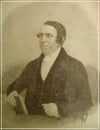
James Smith

The man who has God for his portion!

Psalm 73:26; Psalm 119:57
James Smith • February, 12 2015 • Audio
0 Comments
James Smith
James Smith • February, 12 2015
Choice Puritan Devotional

In his sermon "The Man Who Has God for His Portion," James Smith addresses the theological doctrine of God as the ultimate portion and satisfaction for believers. He argues that true contentment is found in God alone, emphasizing that God’s grace provides not just His presence but also eternal blessings that surpass worldly possessions. Smith references Psalm 73:26 and Psalm 119:57 to illustrate that God is both the strength of a believer's heart and their eternal portion, enabling them to remain steadfast in all circumstances. He stresses the practical significance of this doctrine, asserting that a proper understanding of God as one's portion leads to gratitude, dignity, and a transformed life that reflects one’s high calling as a Christian.

Key Quotes

“If God is my portion, then I ought to be content without any other portion.”

“What dignity, what honor is conferred on the man who has God for his portion?”

“If I live upon anything outside of God, then I live upon what is finite and will change, but if I live upon God, I live upon the infinite and upon what is unchangeable.”

“Unless God is your portion, you will be unsatisfied in life, wretched in death, and indescribably miserable to all eternity.”

What does the Bible say about God being my portion?

The Bible affirms that God as our portion brings contentment and fulfillment in all circumstances (Psalm 119:57).

The concept of God being our portion is beautifully expressed in Psalm 119:57, which declares, 'You are my portion, O Lord.' This signifies that in God, we find our ultimate satisfaction, fulfillment, and identity. When God is our portion, we can experience contentment, regardless of external conditions such as poverty or persecution. Psalm 73:26 further emphasizes this by stating, 'My flesh and my heart may fail, but God is the strength of my heart and my portion forever.' In this light, God transcends all earthly possessions, and His presence is sufficient for a joyful and meaningful existence.

Psalm 73:26, Psalm 119:57

How do we know God as our portion is true?

We know God as our portion is true through scripture that affirms His sufficiency, as seen in the lives of believers like Paul (Philippians 4:11-12).

The truth of God being our portion is substantiated by Scripture and the testimonies of faithful believers throughout history. In Philippians 4:11-12, the Apostle Paul exemplifies this truth, stating that he has learned to be content in all circumstances. His understanding of God as his portion allowed him to navigate both abundance and need with grace and peace. The consistent message of the Bible highlights that when God is our portion, we possess everything we need for life and godliness. This profound truth invites believers to rest in God's sufficiency through every trial and joy.

Philippians 4:11-12

Why is it important for Christians to have God as their portion?

Having God as our portion is crucial for Christians because it ensures eternal satisfaction and hope regardless of life's circumstances.

For Christians, recognizing God as their portion is vital for sustaining joy and peace amidst life's trials. This perspective shifts the believer's focus from worldly concerns to eternal truths. In this life, believers will face trials and tribulations; however, knowing that God is their portion allows them to rise above these challenges, as expressed in the promise of eternal joy and gladness in His presence. Furthermore, it encourages a posture of gratitude and worship, reminding believers that their ultimate identity and value come from their relationship with God, not from external circumstances. This fundamental truth shapes how Christians live and interact with the world, leading to a life characterized by hope, joy, and stability.

Philippians 4:11-12, Psalm 73:26

Sermon Transcript

Auto-generated transcript • May contain errors

100%
. The man who has God for his portion. James Smith, Gleams of Grace, 1860.

You are my portion, O Lord. Psalm 119, 57.

If God is my portion, then I ought to be content without any other portion. He is enough in poverty, enough in persecution, enough in life, enough in death, enough forevermore. If God gives me Himself, then it is more than as if He had given me the whole world, or ten thousand worlds like this,

Oh, how happy was the Apostle Paul, who, knowing God to be his portion, could say, I have learned to be content whatever the circumstance is. I know what it is to be in need, and I know what it is to have plenty. I have learned the secret of being content in any and every situation, whether well fed or hungry, whether living in plenty or in need. Philippians 4, 11 and 12.

If God is my portion, I ought to be thankful. It is enough. There is no losing it. What dignity, what honor is conferred on the man who has God for his portion? I deserve to be stripped of everything, and to be turned out of God's presence eternally penniless, wretched, and miserable. But instead of this, God in His free grace, in His infinite mercy, gives me a mansion, a city with eternal foundations, a kingdom, more, He gives me Himself. God in all His glory, in all His grace, is mine.

If God is my portion, then I ought to be living upon Him. If I live upon anything outside of God, then I live upon what is finite and will change, But if I live upon God, I live upon the infinite and upon what is unchangeable. As a believer, I should live befitting the dignity of my lofty character, position, and prospects. The man of fortune ought not to live like the pauper. Just so, the Christian ought not to live like other men.

" If God is my portion, I ought to be making a proper use of it. I should set my portion over and against all my pains and privations, all my griefs and grievances, all my sadnesses and sorrows. I should look above all my trials and troubles, and rejoice that throughout eternity I shall have eternal ease instead of pain, eternal plenty instead of privation, eternal joy instead of grief, eternal gladness instead of sadness, and eternal bliss instead of sorrow.

Beloved, is the Lord your portion? Are you living upon Him as such? But if God is not your portion, then what is? Where are your thoughts most? Where do your affections centre? After what do you pursue? The world? It is a poor, perishing, unsatisfying portion. It will be found insufficient, unsatisfactory, and perishing. Unless God is your portion, you will be unsatisfied in life, wretched in death, and indescribably miserable to all eternity.

My flesh and my heart may fail, But God is the strength of my heart and my portion for ever. Psalm 73, 26.
Broadcaster:

Comments

0 / 2000 characters
Comments are moderated before appearing.

Be the first to comment!

Joshua

Joshua

Shall we play a game? Ask me about articles, sermons, or theology from our library. I can also help you navigate the site.

0:00 0:00