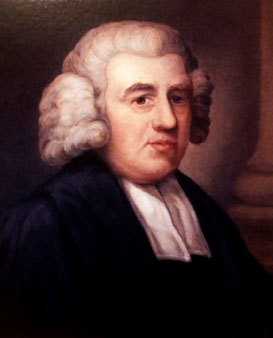
If he is a liar, a talebearer, a railer, a flatterer or a jester
Matthew 15
The sermon titled "If he is a liar, a talebearer, a railer, a flatterer or a jester" by John Newton addresses the theological topic of the relationship between a believer's speech and the evidence of grace in their heart. Newton argues that a true believer's speech reflects their heart's condition, as expressed in Matthew 15, where it is stated that the mouth speaks from the abundance of the heart. He emphasizes the importance of holding one's tongue, citing James 1:26, which underscores that religion without control over one’s speech is worthless. The practical significance of this doctrine is profound, as it challenges individuals to examine their own speech as a reflection of their faith and relationship with God, pointing to the necessity of grace to enable believers to speak truthfully, lovingly, and purely.
“Out of the abundance of the heart the mouth speaks.”
“If anyone considers himself religious, and yet does not keep a tight bridle on his tongue, he deceives himself, and his religion is worthless.”
“Where saving grace is in the heart, the tongue will be bridled by the law of truth.”
“If he is a liar, a tale-bearer, a railer, a flatterer, or a jester, then, whatever other good qualities he may seem to possess, his speech betrays him.”
The Bible teaches that grace influences our speech, as indicated in James 1:26, stating that if we do not bridle our tongues, our religion is worthless.
James 1:26
Controlling our speech is crucial for Christians as it reflects the sincerity of our faith and our understanding of God's holiness.
Ephesians 4:29, Matthew 15
Grace teaches us to speak the truth from our hearts, as God is a God of truth and desires His followers to reflect this attribute.
1 Peter 3:10
Love is fundamental in Christian speech, guiding us to speak kindly and respectfully, in alignment with the golden rule.
Matthew 7:12
Auto-generated transcript • May contain errors

Comments
Your comment has been submitted and is awaiting moderation. Once approved, it will appear on this page.
Be the first to comment!