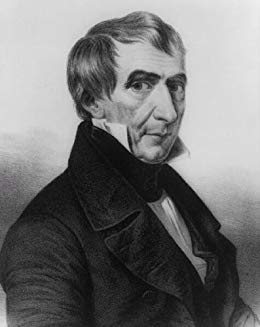
The main theological topic addressed in Henry Law's exposition of Psalm 43 is the faith-driven cry for divine vindication in the face of opposition and despair. Law emphasizes that true strength is found in God alone, as he outlines the psalmist's plea for justice against ungodly foes, supported by scriptural assurances such as Romans 8:31, which asserts that if God is for us, no one can be against us. The article further illustrates the psalmist’s distress and longing for God’s guidance and light, echoing Psalm 119:105, which describes God’s word as a lamp and light for one’s path. This teaching is significant for Reformed believers as it underscores the importance of reliance on God’s covenant promises and the joy that comes from worship, particularly in recognizing God’s reconciliation through Christ, which assures believers of their access to divine grace amid trials.
Key Quotes
“Happy is the man who is conscious of his own integrity. He can lift up his eyes in holy confidence to his God and ask Him to vindicate his cause against iniquitous oppression.”
“It is the province of faith to realize that in all apparent weakness there is really strength.”
“Those who truly follow the Lamb shall not walk in darkness but shall have the light of life.”
“To him who can call God his own God no cause of anxiety remains.”
What does the Bible say about trusting God in difficult times?
The Bible encourages believers to trust in God as their source of strength during trials.
Romans 8:31, Psalm 43:1-2
How do we know that God provides strength in weakness?
God’s word teaches that His strength is made perfect in our weakness.
2 Corinthians 12:9, Psalm 43:2
Why is communal worship important for Christians?
Communal worship connects believers to God and provides spiritual nourishment.
Psalm 43:3-4, Hebrews 10:24-25
How does hoping in God affect our outlook on life?
Hoping in God brings peace and optimism, even during trials.
Psalm 43:5, Romans 15:13
The pensive note of the preceding hymn is here prolonged. The circumstances are the same; the same, also, are the exercises and the expressions of the mind.
1. "Judge me, O God, and plead my cause against an ungodly nation; O deliver me from the deceitful and unjust man."
Happy is the man who is conscious of his own integrity. He can lift up his eyes in holy confidence to his God, and ask Him to vindicate his cause against iniquitous oppression. If God is for us, who can be against us? There were many occasions in the checkered life of David in which this cry would be appropriate. The aged monarch, the heart-broken parent, would thus most fitly pray, when his own child rose up to hurl him from his throne, and the ungodly nation joined in the impious attempt. Here is the experience of many followers of Christ. Because they are not of the world, but Christ has chosen them out of the world, therefore the world hates them. In all these troubles they may appeal to God, and never will they cry in vain.
2. "For You are the God of my strength; why do You cast me off? Why go I mourning because of the oppression of the enemy?"
It is the province of faith to realize that in all apparent weakness there is really strength. But where is the treasure-house of strength? It is not in SELF. For man unaided is a broken reed—light as the chaff before the wind— powerless as an infant in a giant's grasp.
But his strength is firm as the everlasting hills. It is Jehovah in His might. While he trembles, he can still cry, You are the God of my strength. But still he is perplexed. Outward troubles seem to indicate desertion and rejection. The enemy oppresses; he cannot but mourn. Many thoughts arise, that these trials are to recall from devious paths, and are the chastenings of just displeasure. He draws near with bold familiarity, and supplicates revealing grace. It should be a frequent prayer, "Search me, O Lord, and know my heart; prove me, and know my ways; and see if there be any wicked way in me."
1."O send out Your light and Your truth; let them lead me, let them bring me to Your holy hill, and to Your tabernacles." Left to ourselves, we are in darkness, and we surely stray. Conscious of need and guidance, the disconsolate Psalmist prays for heavenly aid, and that light from above would clearly shine upon his path; and that all events in providence would be in accordance with the provisions of the everlasting covenant. Those who truly follow the Lamb shall not walk in darkness but shall have the light of life. They know that the conditions of the covenant secure their everlasting happiness, and they confidently plead that God would do to them in accordance with its terms. He prays especially that he may be restored to the joys of holy worship. He thinks not so much of the comforts and splendor of his palace, of his costly provisions, and luxurious delights—his heart is fixed on the hill of Zion and the house of God. There he had sought spiritual communion—in comparison with this, he counted other things as less than dross.
2."Then will I go to the altar of God, to God my exceeding joy; yes, upon the harp will I praise You, O God, my God."
The essence of delight in public ordinances is the knowledge that sin is pardoned through atoning blood, and that there is free access to God through the expiating sacrifice of the dying Lamb. Then the heart swells with all the ecstasy of joy, happiness rolls in fullest tide, delight ascends to its highest pinnacle. God thus realized as reconciled, is exceeding bliss. The cup overflows. The bliss exceeds all bounds. Every faculty and every power is awakened to sing praise. Rapturous is the theme, when the soul intelligently sings, O God, You are my God!
5. "Why are you cast down, O my soul? and why are you disturbed within me? Hope in God; for I shall yet praise Him, who is the health of my countenance and my God."
To him who can call God his own God, no cause of anxiety remains. He can trample all fears and doubts beneath his feet. He can see clearly by the eye of hope the blissful prospect of deliverance.

Comments
Your comment has been submitted and is awaiting moderation. Once approved, it will appear on this page.
Be the first to comment!