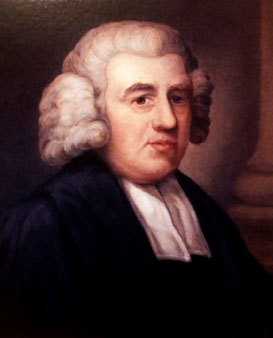
In "Emptiness of the Creature," John Newton addresses the theological topic of the inherent emptiness found in worldly pursuits versus the fulfillment found in a relationship with God. He argues that despite the advantages of wealth and education, true satisfaction is only attained through a genuine knowledge of God, as worldly pleasures ultimately lead to frustration. Newton provides scriptural support by emphasizing that God's favor is essential and can only be found through faith in Christ, who offers true comfort and relief from the dread of death. The practical significance of this discourse lies in guiding young individuals to recognize the vanity of earthly pursuits and the necessity of cultivating a deep spiritual life anchored in Christ, which leads to true contentment and purpose.
Key Quotes
“the right knowledge of him is the one thing needful which no human teaching can communicate.”
“As to worldly education though it is useful when we know how to make a right use of it… considered as in our own power and to those who trust to it without seeking a superior guidance it is usually the source of perplexity, strife, skepticism and infidelity.”
“But then the religion which only deserves the name must come from above… it must take away the sting and dread of death and fix our confidence upon One who is always able to help us.”
“Indeed he is always before-hand with us and if we feel one desire towards him we may accept it as a token that he gave it to us—to encourage us to ask for more.”
What does the Bible say about the emptiness of the creature?
The Bible teaches that apart from God, all earthly pursuits lead to emptiness and dissatisfaction.
Ecclesiastes 1:2
How do we know that worldly education can lead to disappointment?
Worldly education, when viewed as a source of knowledge without divine guidance, often leads to confusion and skepticism.
Why is seeking God important for Christians?
Seeking God is vital for Christians because He alone can satisfy the deepest needs and desires of the heart.
Psalm 84:11, Matthew 6:33
August 24, 1774.
Dear Sir,
You are going abroad; you will carry with you, I doubt not, the best advice, strengthened by the authority and affection of parents whom you greatly love and greatly reverence. This may seem to make anything a stranger can offer unnecessary, if not impertinent. Yet, confiding in your candor, and in your good opinion of my intention, I shall venture to let my pen run on a little longer. Not only my wishes—but my hopes, are strong in your behalf. Perhaps there is hardly a young man in the kingdom, born to a fortune, who is setting out in life upon equal advantages with yourself. How many men of your years, who have been brought up in affluence—are unprincipled, uninstructed, and have already entered upon a course of dissipation and folly, in which it is impossible they themselves can find satisfaction, and which (unless they are reclaimed from it by an Almighty arm) will infallibly preclude them from usefulness or esteem! Whereas your early years have been successfully employed in the pursuit of knowledge, and your education formed under the most animating and endearing influence; and the Lord has furnished you with every natural ability of body and mind, which may qualify you to serve him in that situation of life which his Providence has allotted you.
What may I not then further hope from these beginnings, especially as it is easy to observe that He has given you an amiable and promising disposition of spirit; and has not only preserved you from being hurried down the stream of a giddy world—but enabled you to account the tender restraint under which you have been educated, not a yoke—but a privilege.
I sympathize with you, at what you will feel when you are first separated from your happy family. But the Lord God, who is the sun and shield of those who fear him, will be always near you. His favor is the one thing needful, which no outward advantages can compensate the lack of; and the right knowledge of him is the one thing needful, which no human teaching can communicate.
Were I more intimate with you, I could have asked the question, and perhaps received the satisfaction to know, that you have already begun to consider him in this light; that you feel a vanity in science, an emptiness in creatures, and find that you have desires which only He who gave them can satisfy. I trust it either is—or will be thus.
As to worldly education, though it is useful when we know how to make a right use of it—yet, considered as in our own power, and to those who trust to it without seeking a superior guidance, it is usually the source of perplexity, strife, skepticism, and infidelity. It is, indeed, like a sword in a madman's hands, which gives him the more opportunity of hurting himself and others.
As to what the world calls pleasure, there is so little in it, that many of the philosophers of old—though they had little of value to substitute in its place, could despise it. You will perhaps meet with some who will talk another language; who will pretend to be too wise to submit to the Bible, and too happy in worldly things to expect or desire any happiness beside; but I trust you have seen enough to enable you to treat such people with the pity, and such pretensions with the contempt which they deserve.
Should we set our concerns with an eternal world aside for a moment, it would be easy to demonstrate that religion is necessary, in order to make the most of this life, and to enjoy temporal good with the highest relish. In such a world as this, where we are every moment liable to so many unforeseen and unavoidable contingencies, a man without religion may be compared to a ship in a storm, without either rudder, anchor, or pilot. But then, the religion, which only deserves the name, must come from above; it must be suited to the state and wants of a sinner; it must be capable of comforting the heart; it must take away the sting and dread of death; and fix our confidence upon One who is always able to help us. Such is the religion of Jesus; such are its effects, and such are the criteria whereby we are to judge of the various forms and schemes under which it is proposed to us. But I forbear; I am only reminding you of what you know, and what you have known to be verified by living and dying examples. This happiness, my dear sir, is open to you, and to all who seek. He is enthroned in heaven—but prayer will bring him down to the heart. Indeed, he is always before-hand with us; and if we feel one desire towards him, we may accept it as a token that he gave it to us—to encourage us to ask for more.
May he who is your guide and guard—be with you at all times, and in all places, and bring you back to your father's house in peace. Should I live to see that day, you have few friends whose welcome would be warmer or more sincere than mine; and if, when you are settled and at leisure, you will afford me a letter—it will be both a pleasure and a favor to me.

Comments
Your comment has been submitted and is awaiting moderation. Once approved, it will appear on this page.
Be the first to comment!