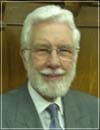
In this sermon on Psalm 119:149-152, Stephen Hyde addresses the themes of prayer, divine lovingkindness, and the pursuit of spiritual vitality. The psalmist's plea for God to hear his voice is emphasized, relying on God's grace rather than personal merit, illustrating a core aspect of Reformed theology: the necessity of divine grace in approaching God. Key arguments include the affirmation of God's nearness to those who seek Him sincerely, contrasted with those who are distant and follow mischief, underlining the importance of a genuine faith that desires to be spiritually alive. Specific references from the psalm highlight God’s commandments as truth, supporting the argument that obedience to God's law is essential for spiritual health. The practical significance of this text encourages believers to seek God earnestly for revivification, aligning their lives with His eternal truths.
“By ourselves, if we view ourselves, really there's nothing in ourselves that should merit any notice from Almighty God.”
“O Lord, quicken me according to thy judgment. [...] God knows what we need. He knows how to bring it about, the blessing that is needful for us.”
“Thou art near, O Lord, and all thy commandments are truth.”
“What a great blessing it is to realize that we today have the Bible to read from Genesis to Revelation [...] God's word will stand. It will not fail.”
The Bible reveals that God's lovingkindness is a profound expression of His grace, inviting believers to approach Him in prayer.
Psalm 119:149
God's commandments are affirmed as true in Psalm 119:151, highlighting their reliability for guiding believers.
Psalm 119:151
Being quickened by God is essential for Christians as it signifies spiritual awakening and renewal.
Psalm 119:149
Auto-generated transcript • May contain errors

Comments
Your comment has been submitted and is awaiting moderation. Once approved, it will appear on this page.
Be the first to comment!