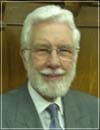
The sermon titled "Saved In Christ Alone" by Stephen Hyde focuses on the exclusive nature of salvation through Jesus Christ, as articulated in Acts 4:12, which states, "Neither is there salvation in any other: for there is none other name under heaven given among men whereby we must be saved." Hyde discusses how the miracle of healing a lame man by Peter and John provided a platform for the apostles to preach the gospel, demonstrating that true salvation is found only in Christ. He emphasizes that believers are guilty of sin and that it was this very sin that led to the crucifixion of Christ, making His sacrificial death essential for redemption. The practical significance of the sermon underscores the urgency of recognizing one's need for salvation and repenting before it is too late, highlighting that one must actively seek Christ for eternal life. This message resonates deeply with Reformed doctrines such as total depravity and the necessity of grace for salvation.
Key Quotes
“Neither is there salvation in any other. That's very clear. It's very important. It was important in that day. It still is important in the day and age in which we live.”
“If there had been no crucifixion, no Saviour, there'd be no hope for us.”
“My friends, there's no sin in heaven. And you and I cannot go to heaven if we have any sin that remains upon us.”
“There is none other name under heaven given among men whereby we must be saved.”
The Bible states that there is no salvation in any other name but Jesus Christ.
In Acts 4:12, the Apostle Peter emphasizes that 'neither is there salvation in any other: for there is none other name under heaven given among men, whereby we must be saved.' This powerful declaration underscores the exclusivity of Christ as the sole mediator between God and humanity. It highlights that salvation is not attainable through any other means or figure, reinforcing the Reformed belief in the necessity of faith in Christ alone for redemption.
Acts 4:12
Jesus' sacrificial death and resurrection validate His claim as the only way to salvation.
The truth that Jesus is the only way to salvation is rooted in both His life and His sacrificial death. The Apostle Peter's sermon in Acts presents Jesus as 'the Prince of Life' who was resurrected from the dead. It was through His atoning sacrifice that believers are saved from their sins. In Reformed theology, this doctrine is further supported by the understanding that human beings are unable to achieve salvation through their own efforts and must rely solely on Christ’s finished work on the cross.
Acts 4:12, Romans 10:9-10
Recognizing our need for salvation is vital for sincere repentance and faith in Christ.
For Christians, understanding the necessity of salvation is crucial because it drives us to acknowledge our sinful state and our need for a savior. Peter's proclamation in Acts 4:12 reveals that without recognizing our need for Christ, we risk remaining in our sins. This need leads to repentance, whereby we turn from our sins and trust in Jesus for forgiveness and eternal life. Experiencing this grace transforms a believer’s life and emphasizes the importance of evangelism—sharing the salvation found in Christ with others.
Acts 4:12, Ephesians 2:8-9
'Must be saved' indicates the necessity of salvation through Jesus for eternal life.
The phrase 'must be saved' in Acts 4:12 signifies that salvation is not optional but essential for all humanity. Peter’s declaration emphasizes that all people are in dire need of rescue from their sins and that this salvation is exclusively found in Jesus Christ. This aligns with historic Reformed theology that teaches the total depravity of man, meaning that every individual, unredeemed, is lost and in need of the saving grace that only Christ can provide. Thus, it highlights the urgency of responding to this truth with faith.
Acts 4:12, Romans 3:23
The healing serves as a testament to the power of Christ, illustrating spiritual healing through faith.
The healing of the lame man in Acts serves as both a physical miracle and a spiritual metaphor for salvation. It illustrates the transformative power of Christ, who not only physically restores the man but also offers ultimate redemption for souls. This event provides Peter with a platform to preach the Gospel, highlighting that just as the man was healed, all who turn to Christ in faith can experience spiritual wholeness and forgiveness of sins. The miracle serves to authenticate the apostles’ message about Christ’s saving power, reinforcing that salvation is available to all who believe.
Acts 3:6-8, Acts 4:12
Comments
Your comment has been submitted and is awaiting moderation. Once approved, it will appear on this page.
Be the first to comment!
