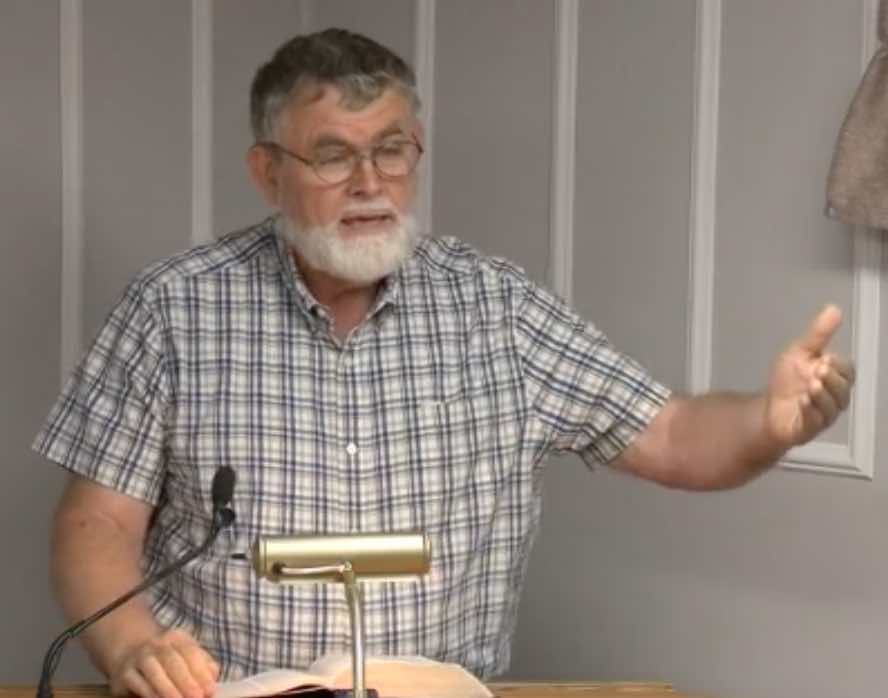
In Mike McInnis’ sermon "Keep Thy Heart," he explores the crucial theological doctrine of the human heart's nature and its implications for Christian living. McInnis emphasizes that while humanity is inherently sinful and must give account for thoughts and actions, the realization of this condition should drive believers to seek God's deliverance. He references Proverbs 4:23 and Mark 7:20-23 to underline that evil thoughts and desires emanate from within, thus requiring diligence in guarding one's heart. The practical and doctrinal significance lies in exhorting believers to exercise self-control over their emotions and appetites, citing the potential destructiveness of unchecked anger, judgmentalism, and lust, ultimately pointing to the victory found in Christ's redemptive work.
Key Quotes
“The very realization of this state we find ourselves in should be all the reason we need to cry out to the Lord for deliverance.”
“The spirit which Solomon said should be ruled is primarily the seat of our emotions and appetites.”
“He that is slow to anger is better than the mighty, and he that ruleth his spirit than he that taketh a city.”
“When lust hath conceived, it bringeth forth sin, and sin, when it is finished, bringeth forth death.”
The Bible emphasizes the importance of keeping one's heart, as it is the source of life.
Proverbs 4:23 instructs us to 'keep thy heart with all diligence; for out of it are the issues of life.' This means that our heart, which encompasses our thoughts, desires, and emotions, shapes our character and actions. As we navigate the complexities of life, it is crucial that we closely guard our hearts against sinful thoughts and influences. Our Christian journey involves both recognizing our sinful nature and relying on God's grace to transform us, leading to a more abundant life rooted in Christ.
Proverbs 4:23, Ephesians 2:1-10
The Bible teaches that God's sovereign will and purpose are unchangeable and supreme over all creation.
God's sovereignty is a foundational aspect of Reformed theology, as seen in Scripture throughout both the Old and New Testaments. Romans 8:28 asserts that 'all things work together for good to them that love God, to them who are the called according to his purpose.' This illustrates that no matter the circumstances we face, God's plan is ultimately for our good and His glory. Our human choices, while real, do not frustrate God's divine design, highlighting the harmony between His sovereignty and human responsibility.
Romans 8:28, Ephesians 1:11
Ruling over our emotions is vital for Christians to live a life that reflects Christ's character.
Scripture teaches that emotions, while a natural part of human experience, require careful management. For example, anger, if left unchecked, can lead to destruction (Proverbs 16:32). Jesus exemplified righteous anger, demonstrating that emotion itself isn't sinful, but how we handle it can either glorify God or lead us astray. Consequently, Christians must learn to govern their emotional responses, ensuring they align with God's Word and contribute to a life marked by love, patience, and grace. This discipline is essential in combating self-righteousness and promoting authentic relationships with others.
Proverbs 16:32, Matthew 7:1-5
The Bible warns that sin ultimately leads to death and separation from God.
Scripture consistently teaches that sin, when allowed to flourish, brings forth death (James 1:15). This reality serves as a sobering reminder for believers to keep their hearts and lives aligned with God's truth. The Apostle Paul emphasizes in Romans 6:23 that 'the wages of sin is death,' underscoring the urgent need for repentance and reliance on Christ for salvation. Yet, through faith in Jesus Christ, we find grace and the assurance that, although we battle sin, we are not defined by it; we are offered eternal life and victory as we abide in Him.
James 1:15, Romans 6:23
Comments
Your comment has been submitted and is awaiting moderation. Once approved, it will appear on this page.
Be the first to comment!
