In that hand which was once nailed to the cross for your redemption!
Hebrews 12; Psalm 119
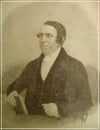
James Smith's sermon, "In that hand which was once nailed to the cross for your redemption," addresses the doctrine of divine discipline, particularly as it relates to the experience of suffering in the life of the believer. Smith emphasizes that God's loving discipline is essential for spiritual growth, supporting his argument with Hebrews 12:6, which states that “the Lord disciplines those He loves.” This discipline is portrayed as an evidence of God's paternal care, not as a sign of His abandonment. He cites scriptural examples, reaching back to historical figures like Job and Lazarus, to illustrate that God's people have consistently faced trials as part of their spiritual journey. The sermon reassures believers that their afflictions are designed for their holiness and ultimate good, underscoring Reformed themes of providence and the believer's union with Christ. The doctrinal significance lies in understanding that suffering, while painful, is a means of grace that prepares Christians for eternal joy and the fullness of their inheritance.
“If He did not love you, He might perhaps refuse to try you. But because He loves you and is a Father to you, therefore He corrects you.”
“He chastens you not for His own pleasure or gratification, but for your profit, that you might be a partaker of His holiness.”
“The rod which afflicts you is in the hand of Jesus, in that hand which was once nailed to the cross for your redemption.”
“How short are all my sufferings here, How needful every cross!”
The Bible teaches that God disciplines His children out of love, as stated in Hebrews 12:6.
Hebrews 12:6
God's love is evident in our trials, as they are designed for our growth and benefit.
Psalm 119, Isaiah 41:10
Understanding suffering helps Christians grasp the purpose behind God's discipline.
Hebrews 12, Isaiah 41:10
Being a child of God means experiencing His loving discipline and care during affliction.
Hebrews 12:6, Psalm 119
Auto-generated transcript • May contain errors

Comments
Your comment has been submitted and is awaiting moderation. Once approved, it will appear on this page.
Be the first to comment!