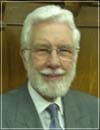
The sermon “Receiving the Word of God” by Stephen Hyde focuses on the theological concept of the authority and efficacy of Scripture, as illustrated in 1 Thessalonians 2:13. Hyde emphasizes that the Thessalonian believers received the preached Word, not as a mere human message, but as the very Word of God, showcasing their faith and obedience. He elaborates on the notion that it is through this divine Word that God operates efficaciously in the hearts of believers. Hyde reinforces this argument with references from 1 Corinthians and Nehemiah to illustrate the importance of accepting and understanding God's message and the necessity of continual gratitude for God's truth. The sermon highlights key Reformed doctrines such as the sufficiency and effectiveness of Scripture for salvation and spiritual growth, underscoring the believer's relationship with God through the faithful reception of His Word.
Key Quotes
“They received it, not as the word of men, but as it is in truth, the word of God.”
“If this word, when it's preached, doesn't enter into our heart, and if we reject it, the reason is because we're not amongst those who are believing.”
“The true believer never tires of hearing the truth of the Gospel.”
“It is the great and glorious Word of God to our souls.”
The Bible emphasizes that receiving the Word of God is crucial as it is not merely the word of men, but the truth from God that works in believers.
The Bible, particularly in 1 Thessalonians 2:13, highlights the importance of receiving God's Word not as the word of men, but as the true Word of God. This reception is foundational for the believer's faith and spiritual growth. The Apostle Paul expresses continuous thankfulness for the Thessalonians because they accepted the Gospel message with open hearts, recognizing its divine origin. By doing so, they opened themselves to the transformative power of God's truth, which is designed to effectually work in those who believe. This perspective positions the preaching of the Gospel as an essential means through which God’s grace operates in the lives of His people.
Moreover, the sermon reflects upon the principle found in 1 Corinthians, where Paul's reliance on the simplicity of the Gospel emphasizes that the wisdom of this world cannot comprehend God's truths. God chooses the foolishness of preaching to convey His message, empowering those who receive it with the work of the Holy Spirit. As true believers, we are called to not only hear but actively accept and cherish the preaching of God's Word, which births joy and strength in our spiritual journey.
1 Thessalonians 2:13, 1 Corinthians 1:21
The truth of the Word of God is affirmed by its divine authority and the transformative effects it has on believers' lives.
The truth of the Word of God is established through its divine origin and its profound impact on the lives of those who believe. In 1 Thessalonians 2:13, the Apostle Paul expresses gratitude that the Thessalonians received the message as not merely a human proclamation but as the truth of God itself. This acknowledgment indicates that the authority of Scripture comes from God, not man, and thus carries an inherent truthfulness.
Additionally, the effectual nature of God's Word in the lives of believers provides experiential confirmation of its truth. When individuals accept the Gospel with faith, they witness its active work in their hearts, leading to spiritual transformation, growth, and assurance of salvation. The consistent historical and experiential affirmation of the Gospel's truth is a compelling testimony to its divine authenticity, strengthening our belief in its reliability and the truth it conveys.
1 Thessalonians 2:13, Hebrews 4:12
Receiving the Word of God is crucial for spiritual growth, as it is the truth that works effectively in believers.
Receiving the Word of God is vital for Christians as it lays the foundation for their faith and spiritual maturity. As taught in 1 Thessalonians 2:13, when the believers in Thessalonica heard the preached Word, they accepted it not as the word of men but as it is in truth, the Word of God. This distinction highlights the divine authority and power of God's message, which is meant to transform hearts and lives.
Furthermore, this reception leads to an effectual working of the Word within those who believe, as it cultivates faith, conviction, and a deeper understanding of God's character and will for their lives. Through the preached Gospel, Christians are encouraged and empowered to live in accordance with their new identity in Christ, becoming witnesses of the truth they have embraced. This practice of receiving the Word fosters a continuous relationship with God, emphasizing the importance of both hearing and acting upon His truth as essential for a fruitful Christian life.
1 Thessalonians 2:13, James 1:22
Comments
Your comment has been submitted and is awaiting moderation. Once approved, it will appear on this page.
Be the first to comment!
